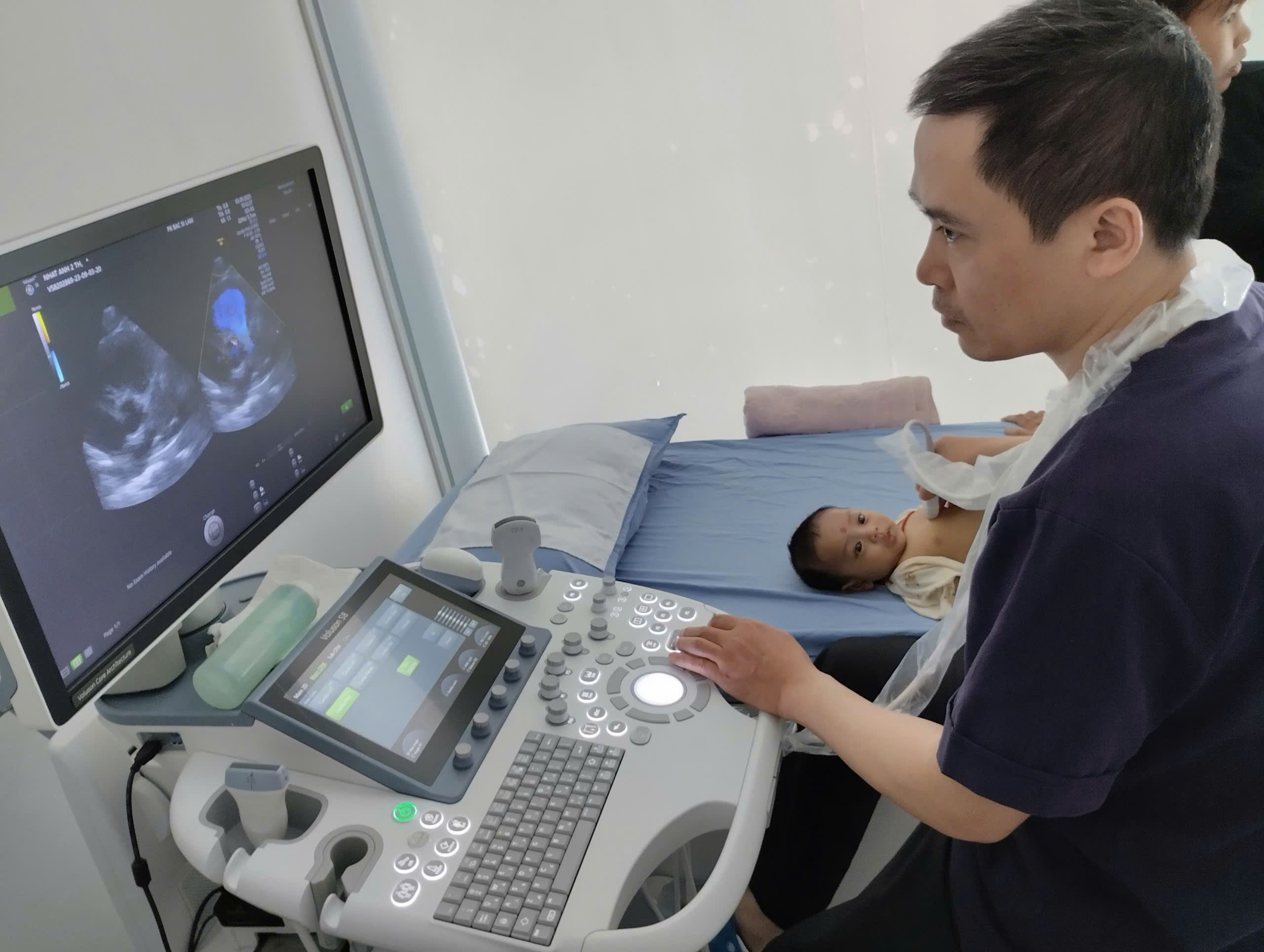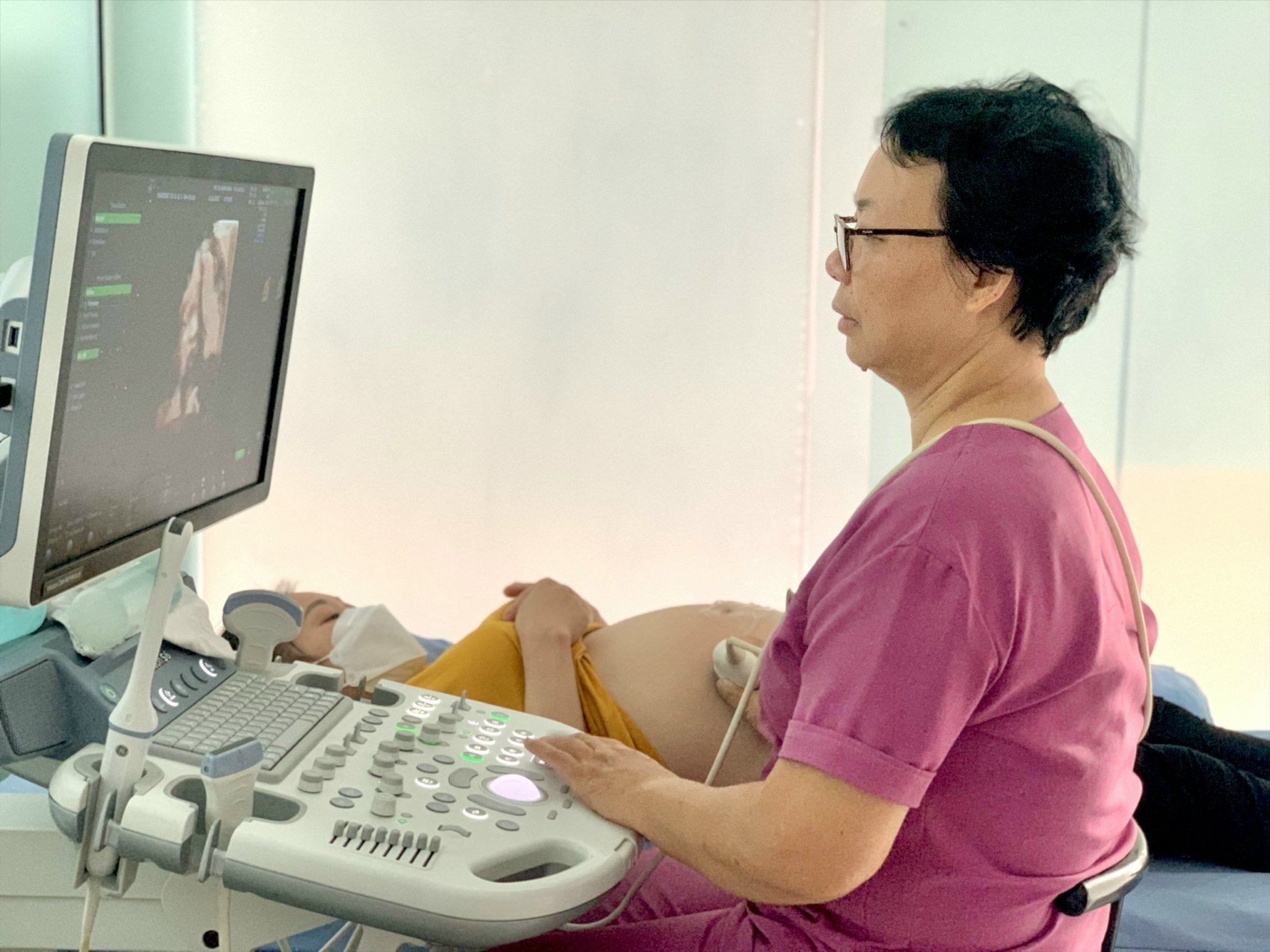
Overview of Sexually Transmitted Diseases (STDs)
Sexually transmitted diseases (STDs — Sexually Transmitted Diseases) are a group of infections primarily transmitted through unprotected sexual contact. According to the World Health Organization (WHO), there are over 1 million new STD infections worldwide every day. Women are generally at higher risk than men due to anatomical structure and vaginal mucosal characteristics.
What is particularly concerning is that many STDs in women show no clear symptoms in the early stages, leading to late detection and serious complications such as infertility, ectopic pregnancy, or cervical cancer.
Common Sexually Transmitted Diseases in Women
1. Chlamydia Infection
Chlamydia is the most common STD worldwide, caused by the bacterium Chlamydia trachomatis. About 70-80% of women with chlamydia have no symptoms.
Symptoms when present:
- Abnormal vaginal discharge with odor
- Burning sensation during urination
- Lower abdominal pain
- Bleeding after intercourse or between periods
Complications if untreated: Pelvic inflammatory disease, blocked fallopian tubes, infertility, increased risk of ectopic pregnancy.
2. Gonorrhea
Caused by the bacterium Neisseria gonorrhoeae. Gonorrhea often co-occurs with chlamydia as a co-infection.
Symptoms:
- Yellow-green, purulent vaginal discharge
- Painful urination, frequent urination
- Lower abdominal pain
- Low-grade fever
Complications: Pelvic inflammatory disease, blocked fallopian tubes, infertility. In pregnant women, it can cause severe neonatal eye infection.
3. Syphilis
Caused by the spirochete Treponema pallidum, progressing through multiple stages if untreated.
Stages:
- Stage 1: Syphilitic chancre — a painless ulcer in the genital area that heals on its own after 3-6 weeks
- Stage 2: Skin rash, flat genital lesions, systemic symptoms
- Latent stage: No symptoms but still contagious
- Stage 3: Cardiovascular, neurological, and musculoskeletal damage
4. HPV Infection (Human Papillomavirus)
HPV is the most common sexually transmitted virus. There are over 200 HPV strains, of which strains 16 and 18 are the main causes of cervical cancer.
Characteristics:
- Most HPV infections clear on their own within 1-2 years
- Some strains cause genital warts (strains 6, 11)
- High-risk strains can cause cervical cancer, vulvar cancer, and anal cancer
Prevention: HPV vaccination (most effective before sexual activity), regular Pap smear and HPV screening.
5. Genital Herpes
Caused by Herpes simplex virus (HSV) type 1 or type 2. The virus persists lifelong in the body and can recur.
Symptoms:
- Small, painful blisters in the genital area
- Shallow ulcers after blisters burst
- Fever, muscle aches during the first outbreak
- Multiple recurrences, often during immune suppression or stress
6. Hepatitis B
Hepatitis B virus (HBV) is transmitted through sexual contact, blood, and from mother to child. Women with chronic hepatitis B have a very high risk of transmitting the virus to their baby if preventive treatment is not provided.
7. HIV/AIDS
Human immunodeficiency virus (HIV) is transmitted through unprotected sexual contact, blood, and from mother to child. Women are twice as likely as men to contract HIV through vaginal intercourse.
Why Are Women More Susceptible to STDs?
Women have several anatomical and physiological factors that make them more susceptible to STDs than men:
- Thin vaginal mucosa, easily sustaining micro-injuries that create entry points for bacteria and viruses
- The cervix is a transitional cell zone that is susceptible to infection
- Subtle symptoms lead to late detection, increasing the period of infectiousness
- Hormonal changes during the menstrual cycle and pregnancy affect local immunity
Effective Prevention Methods
Proper condom use
Condoms are the most effective STD prevention method (reducing transmission risk by 80-90%). Use them correctly during all forms of sexual activity.
Vaccination
- HPV vaccine: Recommended for females aged 9-26, can be given up to age 45
- Hepatitis B vaccine: Recommended for all individuals without immunity
Regular reproductive health checkups
Annual STD screening, especially when you have a new partner. Cervical cancer screening with Pap smear and HPV test every 1-3 years.
Safe sexual practices
- Be faithful to one partner
- Openly discuss sexual health history with your partner
- Avoid sexual activity when experiencing abnormal symptoms
When Should You See a Doctor?
You should see a specialist immediately if you notice any abnormal signs in the genital area: changes in discharge color or odor; ulcers or blisters; itching or burning; painful urination; or pain during intercourse. Remember that many STDs have no symptoms, so regular checkups are extremely important.
STDs and Their Impact on Fertility
Many STDs, if not detected and treated promptly, can cause permanent damage to a woman’s reproductive system:
Pelvic Inflammatory Disease (PID)
Untreated chlamydia and gonorrhea can spread upward to cause pelvic inflammatory disease — infection of the uterus, fallopian tubes, and ovaries. PID causes:
- Blocked fallopian tubes: The leading cause of ectopic pregnancy and tubal infertility
- Pelvic adhesions: Causing chronic abdominal pain and reduced fertility
- Tubo-ovarian abscess: A severe condition requiring hospitalization
About 10-15% of women with PID will experience fertility problems. This number increases to 50% if PID recurs multiple times.
Cervical Cancer from HPV
HPV strains 16 and 18 are the main cause of cervical cancer — the most common gynecological cancer among Vietnamese women. The process from HPV infection to cancer usually progresses silently over 10-20 years, through precancerous stages (CIN 1, CIN 2, CIN 3) that can be detected through Pap smear and HPV screening.
Regular cervical cancer screening is the most effective preventive measure, enabling detection and treatment at the precancerous stage with a cure rate of nearly 100%.
STD Testing — Clinic Procedures
At Phòng Khám Bác Sỹ Lâm, the STD testing process is conducted professionally and discreetly:
Step 1: Pre-test counseling
The doctor will ask about symptoms, sexual history, and assess risk factors to determine the appropriate tests.
Step 2: Sample collection
- Blood tests: Detect HIV, hepatitis B, syphilis, herpes
- Urine tests: Detect chlamydia, gonorrhea
- Vaginal/cervical swabs: Test for yeast, bacteria, Trichomonas, HPV
- Pap smear: Screen for abnormal cervical cells
Step 3: Results and counseling
Results are available within 1-3 days. The doctor will explain results, prescribe treatment (if needed), and advise on prevention measures.
All patient information is kept strictly confidential in accordance with medical regulations.
STD Screening Before Pregnancy
Women planning to become pregnant should undergo STD screening before conception, including:
- HIV
- Hepatitis B (HBsAg)
- Syphilis (RPR/VDRL)
- Chlamydia
- Gonorrhea
- HPV (if not previously screened)
Detecting and treating STDs before pregnancy helps protect the mother’s health and prevent transmission to the baby. If you are currently pregnant and concerned about STDs, discuss this with your doctor during your prenatal visit to receive appropriate testing.
When to See a Doctor
You should see a specialist immediately when:
- You notice any abnormal signs in the genital area: changes in discharge color or odor; ulcers or blisters; itching or burning; painful urination; or pain during intercourse
- Your partner has been diagnosed with an STD
- You had unprotected sex with a new partner
- You are planning to become pregnant or have just discovered you’re pregnant
- You want regular screening (recommended annually if you have risk factors)
Remember that many STDs have no symptoms, so regular gynecological checkups and cancer screening are extremely important.
Related Articles
- Gynecological infections during pregnancy: Safe treatment — STDs can cause gynecological infections during pregnancy
- Ectopic pregnancy: Signs and management — Chlamydia and gonorrhea are the leading causes of ectopic pregnancy
- Proper intimate hygiene — Preventing infections through daily hygiene habits
At Phòng Khám Bác Sỹ Lâm, all patient information is kept strictly confidential. BSCKI. Trần Thị Thúy Lâm, with over 30 years of experience, provides professional and dedicated STD consultation, diagnosis, and treatment.
Book an Appointment
Contact us now for STD consultation and testing:
- Hotline: 0986 321 000
- Address: 125 Hàm Nghi, Kim Tân, Lào Cai
- Services: Gynecological examination | Cancer screening