What Is Polycystic Ovary Syndrome?
Polycystic Ovary Syndrome (PCOS) is the most common endocrine disorder in women of reproductive age, affecting approximately 8-13% of women worldwide. In Vietnam, the prevalence of PCOS is increasing, especially among young women.
PCOS is characterized by hormonal imbalance, causing ovulation disorders, menstrual irregularities, and increased male hormones (androgens). The condition not only affects reproduction but is also linked to many long-term health issues.
Causes of PCOS
Insulin Resistance
About 70% of women with PCOS have insulin resistance. When cells respond poorly to insulin, the body must produce more. High insulin levels stimulate the ovaries to produce excess androgens, hindering ovulation.
Excess Androgens
The ovaries produce too many male hormones (testosterone, DHEA-S), causing:
- Interference with follicle development and ovulation
- Immature follicles accumulating around the ovaries (the “string of pearls” appearance on ultrasound)
- Masculinization signs: acne, excess body hair, hair loss
Genetic and Environmental Factors
- Genetics play an important role (higher risk if mother or sisters have PCOS)
- Sedentary lifestyle, diet high in sugar and starches
- Environmental pollution and endocrine-disrupting chemicals
Symptoms of PCOS
Menstrual Irregularity
This is the most common symptom, occurring in about 75% of women with PCOS:
- Infrequent periods: Cycles longer than 35 days
- Amenorrhea: Continuous absence of periods for over 3 months
- Irregular periods: Unpredictable cycles
- Heavy periods: When menstruation does occur, it is heavy and prolonged
Signs of Excess Androgens
- Persistent acne, especially on the chin, jaw, and back
- Excess body hair (hirsutism): Hair growth on the face, chest, abdomen, back
- Male-pattern hair loss: Thinning hair on the crown
- Oily skin, darkened skin in body folds (neck, armpits, groin)
Reproductive Issues
- Difficulty conceiving due to absent or irregular ovulation
- Increased risk of miscarriage
- Higher risk of pregnancy complications: gestational diabetes, preeclampsia
Metabolic Disorders
- Weight gain and difficulty losing weight, especially around the abdomen
- Fatigue, drowsiness after meals
- Cravings for sweets and starches
Diagnosing PCOS
According to the Rotterdam criteria (2003), PCOS is diagnosed when at least 2 of the following 3 criteria are present (after excluding other causes):
1. Ovulation Disorder
Irregular menstruation or amenorrhea due to anovulation.
2. Excess Androgens
Clinical signs (acne, excess hair, hair loss) or elevated androgen levels on blood tests.
3. Polycystic Ovary Appearance on Ultrasound
Ovaries with 12 or more small follicles (2-9 mm diameter) or ovarian volume over 10 mL.
Required Tests
- Hormone tests: FSH, LH, total and free testosterone, DHEA-S, 17-OH progesterone
- Metabolic tests: Fasting blood glucose, fasting insulin, HbA1c, oral glucose tolerance test
- Blood lipid tests: Total cholesterol, HDL, LDL, triglycerides
- Thyroid tests: TSH, FT4 (to exclude thyroid disease)
- Ovarian ultrasound: Evaluate follicle count and ovarian volume
PCOS Treatment Methods
Lifestyle Changes — The Foundation of Treatment
This is the most important step and should be applied to all women with PCOS:
- Weight loss: Losing just 5-10% of body weight can significantly improve menstrual cycles and ovulation
- Diet: Limit sugar and white starches; increase vegetables, lean protein, and healthy fats (omega-3); prioritize foods with a low glycemic index
- Exercise: 150 minutes of moderate-intensity activity per week (brisk walking, swimming, yoga)
- Stress management: Meditation, yoga, adequate sleep
Medical Treatment
When not trying to conceive:
- Combined oral contraceptives: Regulate menstruation, reduce androgens, protect the endometrium
- Metformin: Improve insulin resistance, support weight loss
- Spironolactone: Anti-androgen medication, reduces acne and excess hair
When trying to conceive:
- Letrozole: First-line ovulation induction medication for PCOS
- Clomiphene citrate: Traditional ovulation induction medication
- Gonadotropins: When oral medications are ineffective
- Metformin combination: Enhances ovulation induction effectiveness
- IVF: When other methods fail
Symptom Management
- Acne: Topical retinoids, benzoyl peroxide combined with anti-androgen oral medication
- Excess hair: Eflornithine cream, laser hair removal, electrolysis
- Hair loss: Topical minoxidil, combined with hormonal treatment
Long-Term Complications to Monitor
Women with PCOS need regular screening for complications:
- Type 2 diabetes: Risk increased 4-7 times
- Cardiovascular disease: Hypertension, abnormal blood lipids
- Endometrial hyperplasia: Due to lack of protective progesterone
- Sleep apnea: Especially in women with PCOS and obesity
- Depression and anxiety: Significantly higher rates
Living with PCOS
PCOS is a chronic condition but can be well managed. The key is:
- Maintaining a healthy lifestyle for life
- Regular checkups and testing every 6-12 months
- Following treatment as directed by your doctor
- Proactively monitoring metabolic risk factors
PCOS and Pregnancy
Women with PCOS who become pregnant need closer monitoring due to higher complication risks:
- Gestational diabetes: Risk 2-3 times higher due to pre-existing insulin resistance
- Preeclampsia: Higher rates, especially if the mother is obese or has hypertension
- Preterm birth: Slightly increased risk
- Large or small baby: Depending on the mother’s metabolic status
To minimize risk, women with PCOS should:
- Control weight and blood sugar well before conceiving
- Supplement folic acid at least 3 months before conception
- Attend regular prenatal checkups on schedule, especially screening for gestational diabetes earlier (from weeks 16-18)
- Maintain a healthy diet and gentle exercise
Detailed Dietary Guide for PCOS
Diet plays a foundational role in PCOS treatment. Here is a detailed guide:
Foods to Eat
- Dark leafy greens: Spinach, kale, water spinach — rich in fiber, vitamins, and minerals
- Lean protein: Chicken breast, fish, tofu, eggs — helps stabilize blood sugar
- Healthy fats: Salmon, avocado, olive oil, walnuts — omega-3 anti-inflammatory
- Whole grains: Brown rice, oatmeal, quinoa — low glycemic index
- Cinnamon: Research shows cinnamon may improve insulin sensitivity
- Green tea: Contains EGCG that helps reduce androgens
Foods to Avoid
- Refined sugar: Soft drinks, candy, bubble tea
- White starches: Excessive white rice, white bread, instant noodles
- Processed foods: Sausages, deli meats, canned goods
- Large amounts of whole milk: May increase androgens in some women
- Fried foods: Trans fats cause inflammation and insulin resistance
Sample One-Day Menu
- Breakfast: Oatmeal with cinnamon, almonds, and half a banana
- Mid-morning snack: 1 boiled egg + 1 apple
- Lunch: Brown rice + pan-seared salmon + green salad
- Afternoon snack: Unsweetened Greek yogurt + chia seeds
- Dinner: Grilled chicken breast + sauteed spinach with garlic + pumpkin soup
The Role of Exercise in PCOS Treatment
Regular exercise is the most effective “medicine” for PCOS, offering many benefits:
- Improves insulin resistance: After just 12 weeks of regular exercise
- Reduces androgens: Aerobic exercise helps lower free testosterone
- Supports weight loss: Especially reducing belly fat — the most dangerous type
- Regulates menstruation: Many women notice more regular periods after exercising
- Improves mood: Reduces anxiety and depression common in women with PCOS
Aim for at least 150 minutes/week of moderate-intensity activity. Suitable activities: brisk walking, swimming, cycling, yoga, aerobics.
When to See a Doctor
Women should visit for a gynecological exam when experiencing:
- Irregular menstruation or prolonged absence of periods
- Persistent acne, abnormal excess body hair
- Difficulty conceiving after 6-12 months of trying
- Unexplained rapid weight gain, especially around the abdomen
- Significant hair loss, darkened skin in body folds
- Already diagnosed with PCOS and need regular follow-up
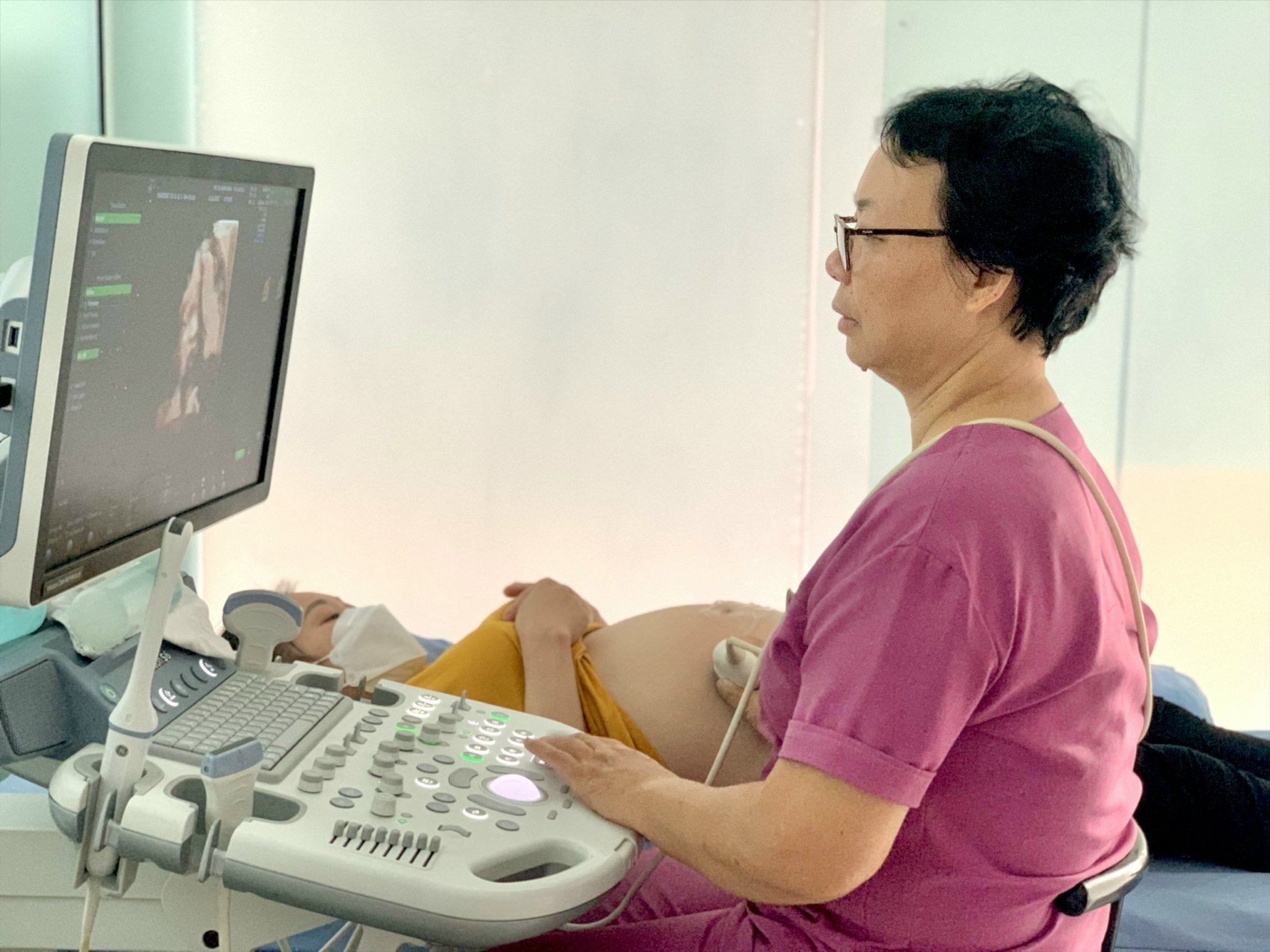
Ovarian ultrasound combined with hormone testing enables accurate diagnosis and treatment monitoring.
Related Articles
- Ovarian cysts: Symptoms and treatment — Distinguishing PCOS from true ovarian cysts
- Menstrual disorders and period pain — The most common symptom of PCOS
- Exercise during pregnancy — For women with PCOS who have successfully conceived
At Phòng Khám Bác Sỹ Lâm, BSCKI. Trần Thị Thúy Lâm, with experience treating thousands of PCOS cases, creates personalized treatment plans for each patient, combining medical treatment and lifestyle counseling for optimal results.
Book an Appointment
Contact us now for PCOS consultation and treatment:
- Hotline: 0986 321 000
- Address: 125 Hàm Nghi, Kim Tân, Lào Cai
- Services: Gynecological examination | Ultrasound