Lao Cai Winter and Women’s Health
Lao Cai is located in northern Vietnam’s mountainous region, with winters lasting from November to March, temperatures frequently dropping below 10°C, and cold snaps reaching below 5°C. High air humidity of 85-90% combined with low temperatures creates harsh weather conditions that directly affect women’s gynecological health.
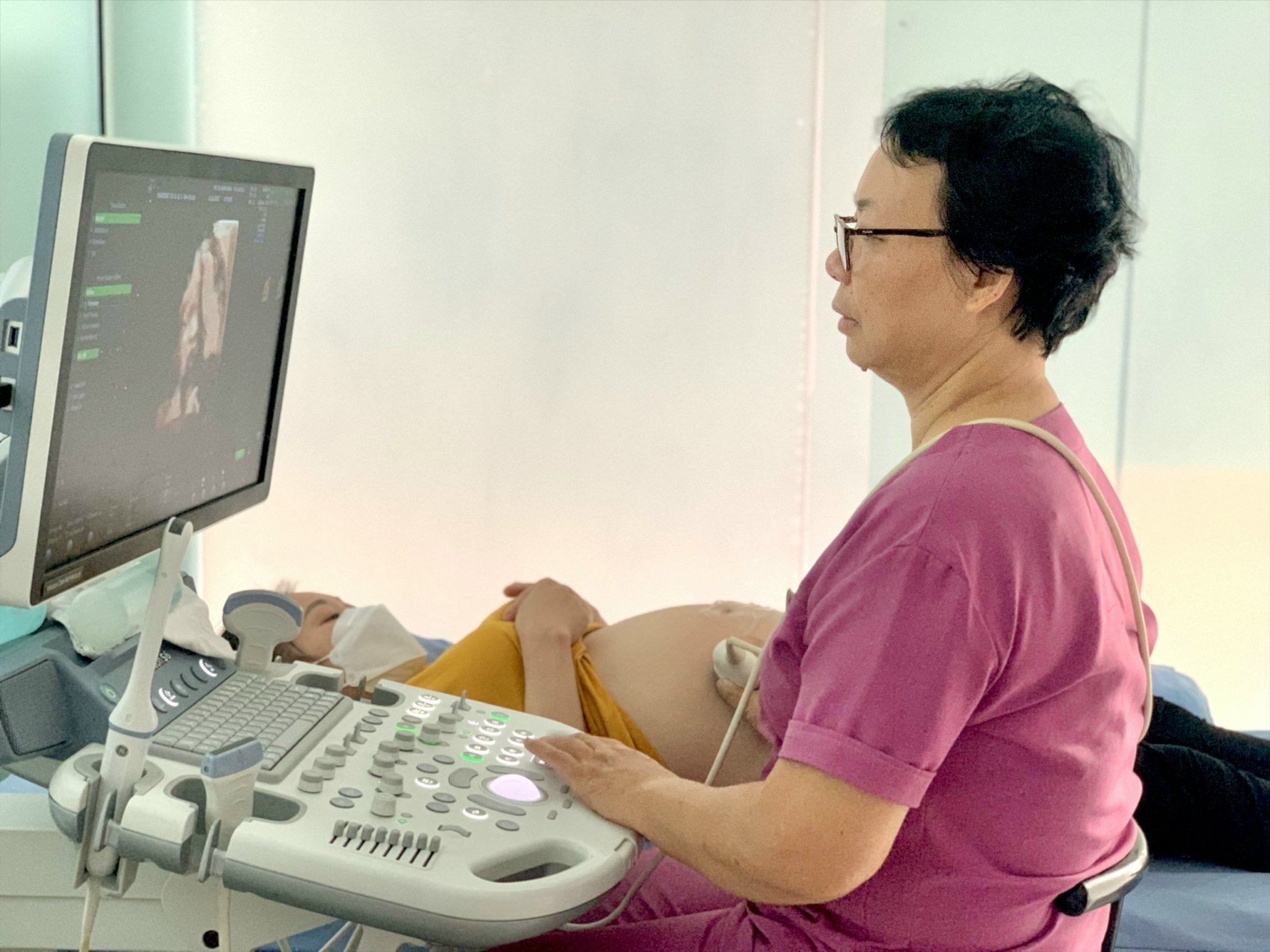
At Phòng Khám Bác Sỹ Lâm, the number of patients visiting for gynecological infections increases noticeably during winter. BSCKI. Trần Thị Thúy Lâm shares knowledge and advice to help women protect their gynecological health during the cold season.
Why Does Winter Affect Gynecological Health?
Weakened Immunity
Cold weather reduces the body’s overall resistance. The local immune system in the reproductive tract also weakens, making it easier for bacteria and fungi to thrive.
Humid Environment
Humid air, slow-drying clothes, and underwear that doesn’t dry in time create ideal conditions for Candida fungus and bacteria. Many women must use dryers or wear underwear that isn’t fully dry — a common mistake leading to infections.
Changed Hygiene Habits
Cold winters make many women reluctant to bathe, reduce intimate hygiene frequency, and change underwear less often. Wearing multiple layers of thick, non-absorbent clothing creates a stuffy environment in the intimate area.
Reduced Water Intake
In cold weather, the body feels less thirsty, leading to insufficient water intake. Dehydration concentrates urine, reducing the ability to “flush” bacteria from the urinary tract, increasing the risk of cystitis and urinary tract infections.
Common Winter Gynecological Conditions
Vaginal Yeast Infection (Candida)
The most common gynecological condition in winter. Candida thrives in warm, moist, enclosed environments.
Symptoms:
- Intense vulvar itching, especially at night
- Thick white discharge resembling cottage cheese
- Burning during urination, pain during intercourse
- Red, swollen vulvar area
Prevention:
- Wear cotton, breathable underwear
- Ensure underwear is completely dry before wearing
- Don’t wear underwear that is too tight
Urinary Tract Infection
Women are more susceptible to UTIs than men due to a shorter urethra. In winter, the rate increases due to reduced water intake and holding urine.
Symptoms:
- Painful urination, urinary urgency, frequent urination
- Cloudy or bloody urine
- Bladder area pain
- Low-grade fever (when infection is severe)
Prevention:
- Drink at least 1.5-2 liters of warm water per day
- Do not hold urine
- Wipe front to back after using the bathroom
- Urinate immediately after sexual intercourse
Cervicitis and Bacterial Vaginosis
Weakened immunity combined with improper hygiene disrupts the vaginal microbiome, allowing pathogenic bacteria to dominate.
Symptoms:
- Increased discharge, yellow-green color, foul odor
- Mild itching in the intimate area
- Pain during intercourse
Guide to Winter Gynecological Health Care
Proper Intimate Hygiene
- Wash with warm water (35-37°C) daily, at least 1-2 times
- Only wash externally: Do not douche inside the vagina as this destroys the natural protective microbiome
- Feminine wash: Choose products with pH 3.5-4.5, use 2-3 times/week (not daily)
- Dry the intimate area after washing, wipe front to back
- Do not use regular soap on the intimate area as its alkaline pH destroys the protective acidic environment
Choose Appropriate Clothing
- 100% cotton underwear: Good absorption, breathable. Avoid synthetic or lace underwear
- Ensure underwear is completely dry: Sun-dry or machine dry before wearing. If it rains for days, use a dryer or iron dry
- Change underwear daily: At least once a day, twice if there is heavy discharge
- Avoid wearing too many layers of pants: Creates humidity in the intimate area
- Loose sleepwear, not too tight when sleeping
Keep Warm the Right Way
- Keep the lower abdomen and back warm: Wear long sweaters, use a warming belt
- Keep feet warm: Wear warm socks, avoid cold feet (in traditional medicine, cold feet affect the pelvic area)
- Safe heating: Use two-way air conditioning or electric heaters. Never use charcoal heating in enclosed rooms — extremely high risk of CO poisoning
- Warm compress: Use a warm compress on the lower abdomen during menstrual cramps
Immunity-Boosting Nutrition
- Vitamin C: Oranges, grapefruit, kiwi, guava — boosts immunity
- Vitamin D: Eggs, fish, milk — especially important when sun exposure is limited
- Probiotics: Yogurt, kimchi — supports vaginal microbiome balance
- Ginger, garlic, turmeric: Natural anti-inflammatory, warms the body
- Warm water: Drink 1.5-2 liters/day, can include ginger tea or honey tea
Winter Exercise
Despite the cold weather, physical activity is still needed to improve pelvic circulation:
- Walk indoors or in sheltered areas for 20-30 minutes/day
- Indoor yoga, gentle exercise
- Kegel exercises to strengthen the pelvic floor — can be done anytime, anywhere
Special Notes for Pregnant Women in Winter
Expectant mothers in Lao Cai need special attention during winter:
- Stay warm but not overheated: Avoid bathing in water hotter than 38°C as it affects the fetus
- Get a seasonal flu vaccine: Safe and recommended for pregnant women
- Supplement vitamin D: Less sunshine in winter means supplementing 600-800 IU/day
- Attend prenatal checkups on schedule: Don’t skip important milestones because of cold weather
- Go to the hospital immediately if you get the flu with a fever above 38°C
When Should You See a Doctor?
Even in winter, women should not be complacent when experiencing symptoms: persistent itching or burning in the intimate area, abnormal discharge changes, painful or frequent urination, lower abdominal pain, or abnormal bleeding. Early treatment of gynecological infections leads to faster recovery and prevents complications.
BSCKI. Trần Thị Thúy Lâm is always ready to welcome and advise women in Lao Cai, even during the coldest winter days.
Advice from the Doctor
Given the characteristic cold and prolonged humid climate of Lao Cai, BSCKI. Trần Thị Thúy Lâm emphasizes that winter gynecological infection prevention must start with the smallest daily habits.
Easy-to-implement prevention tips that women should apply right away:
- Prepare 7-10 cotton underwear to change daily, even during consecutive rainy days
- Use a dehumidifier in the bedroom if possible — reducing humidity helps clothes dry faster and limits mold
- Don’t wear tight leggings all day — switch to loose pants when at home
- Drink warm ginger tea 1-2 cups daily to warm the body from within and improve circulation
- Take quick 10-15 minute showers with moderately warm water, avoid prolonged very hot showers that dry the skin and mucosa
- Supplement vitamin C and probiotics from daily foods (oranges, grapefruit, yogurt) to boost immunity
In particular, if you notice any abnormal symptoms — even mild ones — don’t wait until winter is over to see a doctor. Early treatment of gynecological infections is faster, less expensive, and avoids unnecessary complications.
Related Articles
- Vaginitis: Causes and treatment — Learn about different types of gynecological infections
- Proper intimate hygiene — Medically correct hygiene guidelines
- Urinary tract infections — Preventing and treating UTIs
See also: Gynecological treatment services | Cancer screening services
Phòng Khám Sản Phụ Khoa Bác Sỹ Lâm — Address: 125 Hàm Nghi, Kim Tân, Lào Cai
Book an appointment: 0986 321 000 — Dedicated women’s health care, even during the coldest winter.