When Do You Need a Gynecological Exam?
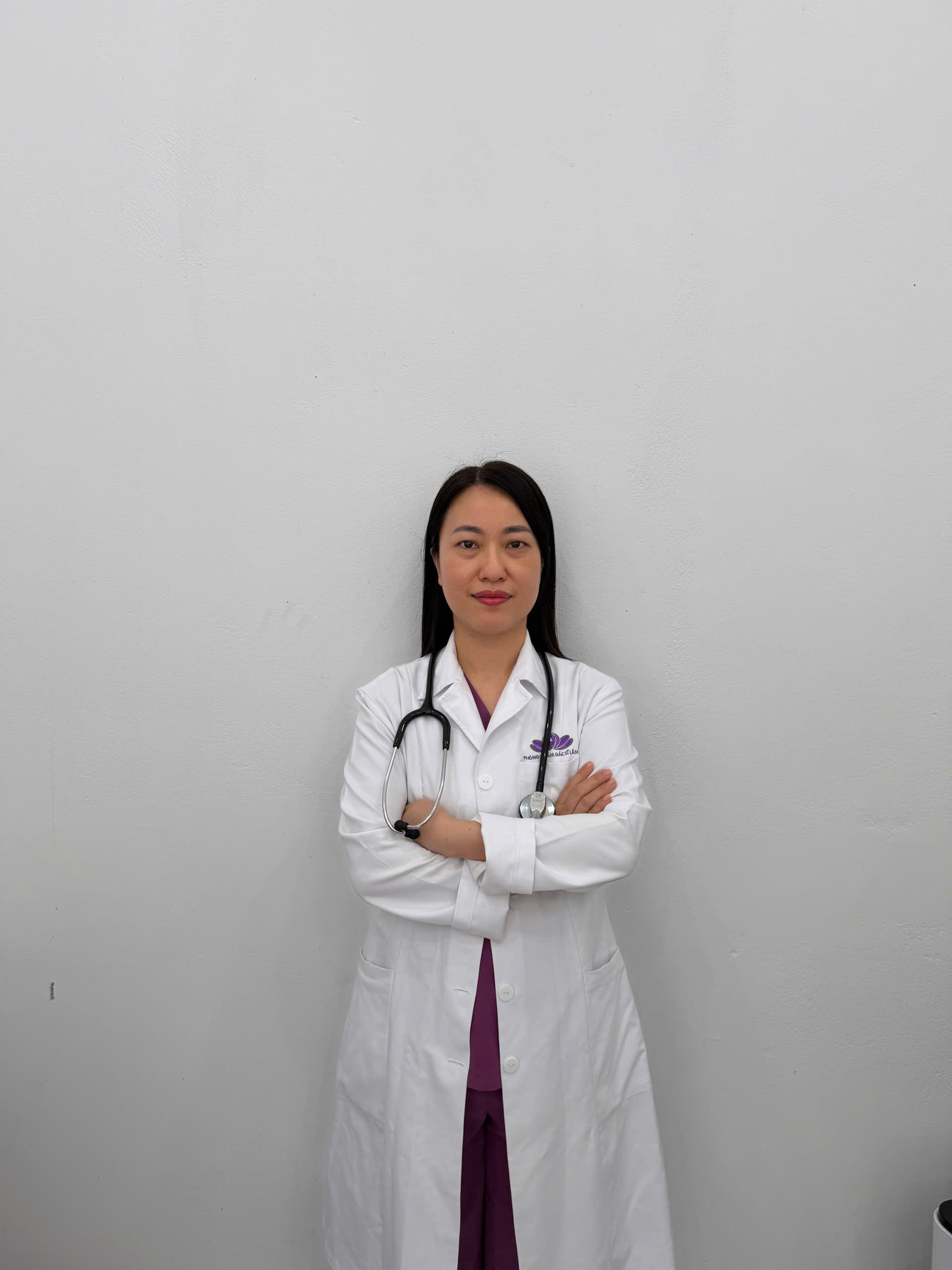
Many women tend to avoid or delay gynecological exams until symptoms become serious. However, early detection is the key to effective treatment. With over 30 years of experience in obstetrics and gynecology, BSCKI. Trần Thị Thúy Lâm — formerly at Hanoi Medical University Hospital, K Central Institute, and Medlatec Hospital — shares 7 warning signs that you need a gynecological exam right away.
According to health statistics, approximately 60-70% of Vietnamese women experience at least one gynecological condition in their lifetime, but only a small fraction get regular checkups. Many gynecological diseases, if not detected and treated promptly, can lead to chronic infections, infertility, or even cancer.
1. Abnormal Vaginal Discharge
Abnormal discharge is the most common reason women visit the gynecologist. To recognize it, first understand what normal discharge looks like:
Normal: Clear or slightly cloudy white, odorless or mild scent, small amount. Discharge may increase slightly mid-cycle (during ovulation) — this is physiologically normal.
Abnormal — see a doctor:
- Yellow or green discharge: Often due to bacterial infection — Neisseria gonorrhoeae (gonorrhea), Chlamydia
- Gray discharge with fishy odor: Bacterial vaginosis
- Thick, cottage cheese-like white discharge: Candida yeast infection — the most common cause
- Frothy yellow-green discharge: Trichomonas vaginalis infection
- Sudden increase in discharge unrelated to menstrual cycle
- Blood-tinged discharge (outside menstruation) — needs to rule out cervical polyps or malignant lesions
Common mistake: Many women self-medicate with vaginal suppositories or feminine wash for abnormal discharge. This can destroy evidence for testing and create drug resistance, making the condition harder to treat.
2. Itching and Burning in the Intimate Area
Intimate itching is extremely uncomfortable and greatly affects quality of life. Causes include:
- Candida yeast vaginitis: Most common, intense itching with thick white discharge. Often recurs with antibiotic use, diabetes, or immune suppression
- Contact dermatitis: Allergy to soap, detergent, sanitary pads, feminine wash
- Sexually transmitted infections: Genital herpes, Trichomonas, genital warts (HPV)
- Skin conditions: Eczema, psoriasis, folliculitis
- Vaginal atrophy: In perimenopausal women due to estrogen deficiency
Important: Do not self-treat — each cause requires a different treatment protocol. Using the wrong medication can worsen the condition. See a doctor for testing to identify the exact pathogen.
3. Persistent Lower Abdominal Pain
Lower abdominal pain that is not regular menstrual cramps needs immediate examination:
- Dull ache lasting many days: May indicate chronic pelvic inflammatory disease, endometriosis
- One-sided pain: Suspected ovarian cyst or ectopic pregnancy (if period is late)
- Pain with fever: Suspected adnexitis — needs immediate antibiotic treatment
- Pain worsening during intercourse: Suggests deep endometriosis, uterine fibroids, or chronic inflammation
- Sudden, severe pain: Emergency — may be ovarian torsion, ruptured cyst, ruptured ectopic pregnancy
Special note: One-sided lower abdominal pain with a late period is a sign to rule out ectopic pregnancy — a dangerous condition that can be life-threatening without early detection.
4. Menstrual Disorders
Menstrual disorders are an important reason for a gynecological exam:
- Too short cycles (under 21 days) or too long (over 35 days) — related to hormonal disorders, PCOS
- Excessively heavy periods — needing to change pads every 1-2 hours with large clots — suspected fibroids, endometrial polyps, coagulation disorders
- Prolonged periods — over 7 days — needs ultrasound to evaluate the endometrium
- Absent periods — no period for over 3 months (not pregnant) — needs hormone testing
- Severe cramps — cramps not relieved by common pain relievers — suspected endometriosis
5. Abnormal Bleeding
Bleeding outside your menstrual period is a symptom that should never be ignored:
- Bleeding between periods: Cervical polyps, endometrial polyps, birth control side effects
- Bleeding after intercourse: Cervicitis, cervical ectropion, polyps, or precancerous lesions
- Post-menopausal bleeding: Serious warning sign — immediate cervical cancer screening and endometrial cancer evaluation needed
- Unusually colored blood: Persistent dark brown, continuous light pink
Especially important: Post-menopausal bleeding (even once, even very little) always needs examination — this is the earliest symptom of endometrial cancer.
6. Pain During Sexual Intercourse
Pain during intercourse (dyspareunia) affects 10-20% of women and has many causes:
- Superficial pain (at the vaginal entrance): Vaginitis, vaginal dryness, vaginismus, perineal scarring
- Deep pain: Endometriosis, uterine fibroids, chronic pelvic inflammatory disease, large ovarian cysts
- Vaginal dryness: Especially in perimenopausal women due to reduced estrogen, postpartum, or while breastfeeding
This is not normal and can be treated. Don’t hesitate to discuss with your doctor — BSCKI. Trần Thị Thúy Lâm is a female doctor who always listens and provides sensitive counseling.
7. Painful or Frequent Urination
Urinary symptoms often overlap with gynecological symptoms due to anatomical proximity:
- Painful, frequent urination with abnormal discharge: Vaginitis spreading to the urethra, or concurrent UTI
- Frequent urination throughout the day: Large uterine fibroid compressing the bladder, cystitis
- Bladder pain with genital pain: Interstitial cystitis
Note: Many women self-medicate with antibiotics for UTI symptoms when the actual cause is gynecological infection. See a doctor to identify the correct cause.
Routine Gynecological Exams — More Important Than You Think
Even without symptoms, women should get regular gynecological exams because:
- Many gynecological conditions have no clear early symptoms — silent infections, early ovarian cysts, early uterine fibroids
- Cervical cancer detected early at the precancerous stage (CIN) is completely curable with simple methods
- Uterine fibroids, ovarian cysts are often found incidentally during exams — early treatment is much simpler
- Silent infections (Chlamydia, gonorrhea) can cause tubal blockage and infertility without treatment
Recommended Gynecological Exam Schedule
| Age Group | Frequency | Content |
|---|---|---|
| 21-29 years | Annually | Gynecological exam, ultrasound, Pap smear every 3 years |
| 30-65 years | Every 6-12 months | Exam + Pap smear + HPV test every 5 years |
| Over 65 | Annually | General exam, ultrasound |
| With risk factors | Every 6 months | Exam + tests as indicated |
Learn more about cervical cancer screening and women’s general health checkup.
Gynecological Exam Process at the Clinic
Many women worry about what a gynecological exam involves. Here is the standard process:
- Medical history: Doctor asks about symptoms, menstrual history, medical history, sexual activity, contraceptive methods
- External exam: Observe the external area, detect skin lesions, swelling, inflammation
- Speculum exam: Insert a speculum to visualize the vagina and cervix. Slightly uncomfortable but not painful
- Colposcopy: Magnified examination of the cervical surface
- Sample collection: Pap smear, discharge testing (if needed)
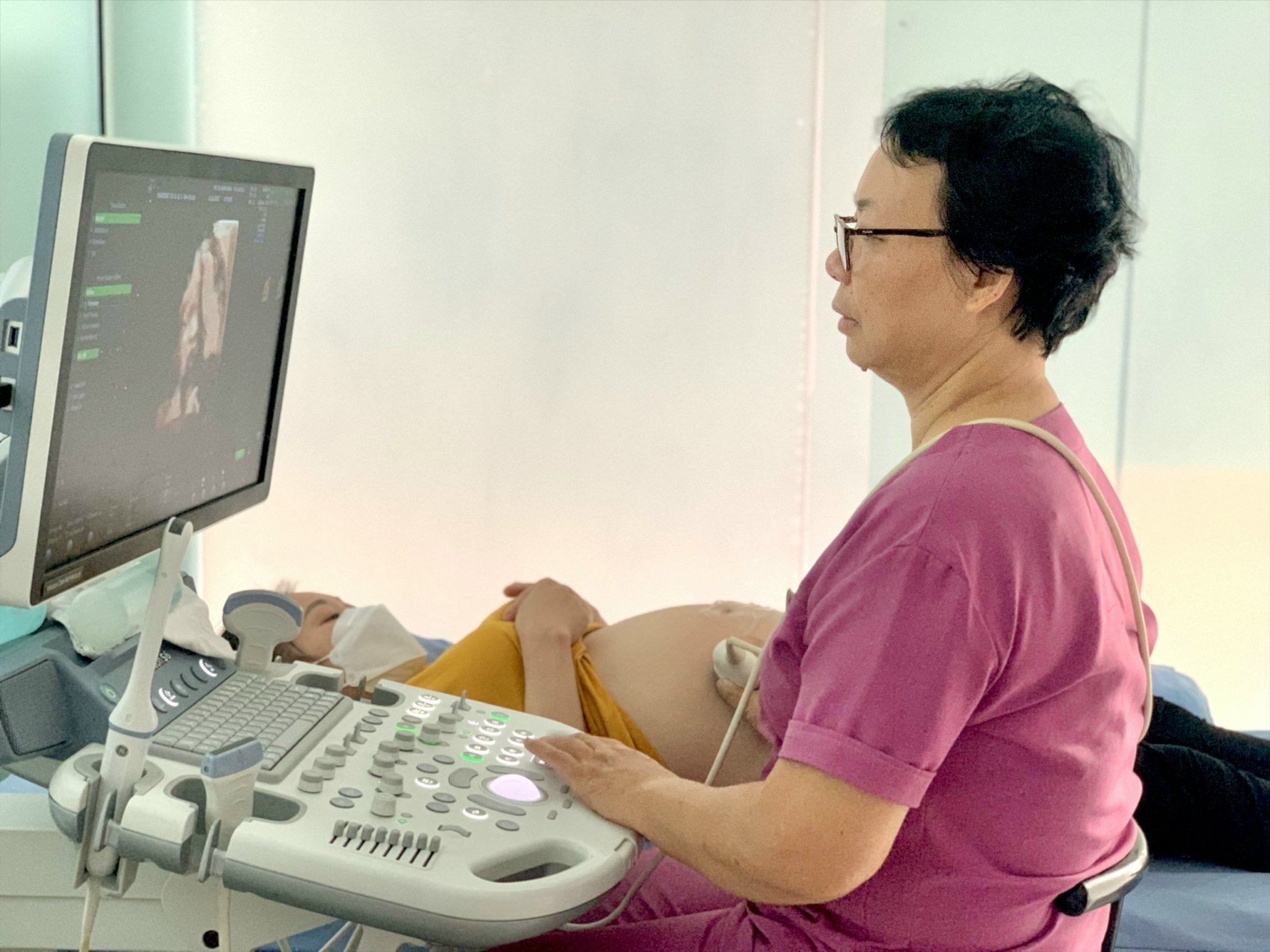
- Gynecological ultrasound: Evaluate uterus, ovaries, detect fibroids, ovarian cysts
- Results consultation: Doctor explains results and treatment plan (if any)
Tip: Don’t schedule a gynecological exam during menstruation (except emergencies). Avoid intercourse, vaginal medications, or douching 24-48 hours before the exam.
When to See a Doctor Immediately — Emergency Situations
Go to a healthcare facility immediately when:
- Sudden, severe lower abdominal pain with dizziness, rapid pulse — suspected ovarian torsion, ruptured ectopic pregnancy
- Heavy bleeding outside menstruation, soaking a pad every 30-60 minutes
- High fever with lower abdominal pain, purulent discharge — acute pelvic inflammatory disease
- Swelling, redness, pain in the genital area after a procedure — post-procedure infection
Advice from the Specialist
“In over 30 years of gynecological practice, I’ve seen many women come too late when the disease has already progressed — widespread infection causing tubal blockage, large fibroids requiring hysterectomy, or late-stage cervical cancer. Had they come earlier, all these situations could have been prevented or treated much more simply.”
— BSCKI. Trần Thị Thúy Lâm
Gynecological Exams at Phòng Khám Sản Phụ Khoa Bác Sỹ Lâm
Phòng Khám Bác Sỹ Lâm is a trusted gynecological treatment address in Lao Cai with:
- Female specialist doctors — Comfortable, private environment for patients
- BSCKI. Trần Thị Thúy Lâm — 30+ years of experience, formerly at Hanoi Medical University Hospital, K Central Institute, Medlatec Hospital
- Colposcopy with specialized equipment — Early detection of cervical lesions
- Modern gynecological ultrasound — Detailed uterine and ovarian assessment
- Advanced lab testing partnered with Medlatec Hospital — Accurate pathogen identification
- Private, discreet clinic — Maximum comfort guaranteed
- No long waits — Quick, thorough consultations
Book a Gynecological Exam
Call 0986 321 000 now to schedule.
Address: 125 Hàm Nghi, Kim Tân, Lào Cai — Open 7 days/week, 7:00 AM - 7:00 PM
Gynecological health is the foundation of overall health and family happiness. Don’t hesitate, don’t wait — take charge and see a doctor as soon as you notice any abnormal signs!