Early Pregnancy — How Does the Body Change?
When the egg is fertilized and the embryo begins implanting in the uterus (about 6-12 days after conception), the mother’s body undergoes powerful hormonal changes. hCG (Human Chorionic Gonadotropin) is produced by the placenta, doubling every 48-72 hours in the first weeks. Simultaneously, progesterone and estrogen increase rapidly to maintain the pregnancy.
These hormonal changes cause early pregnancy signs that many women can detect even before a missed period.
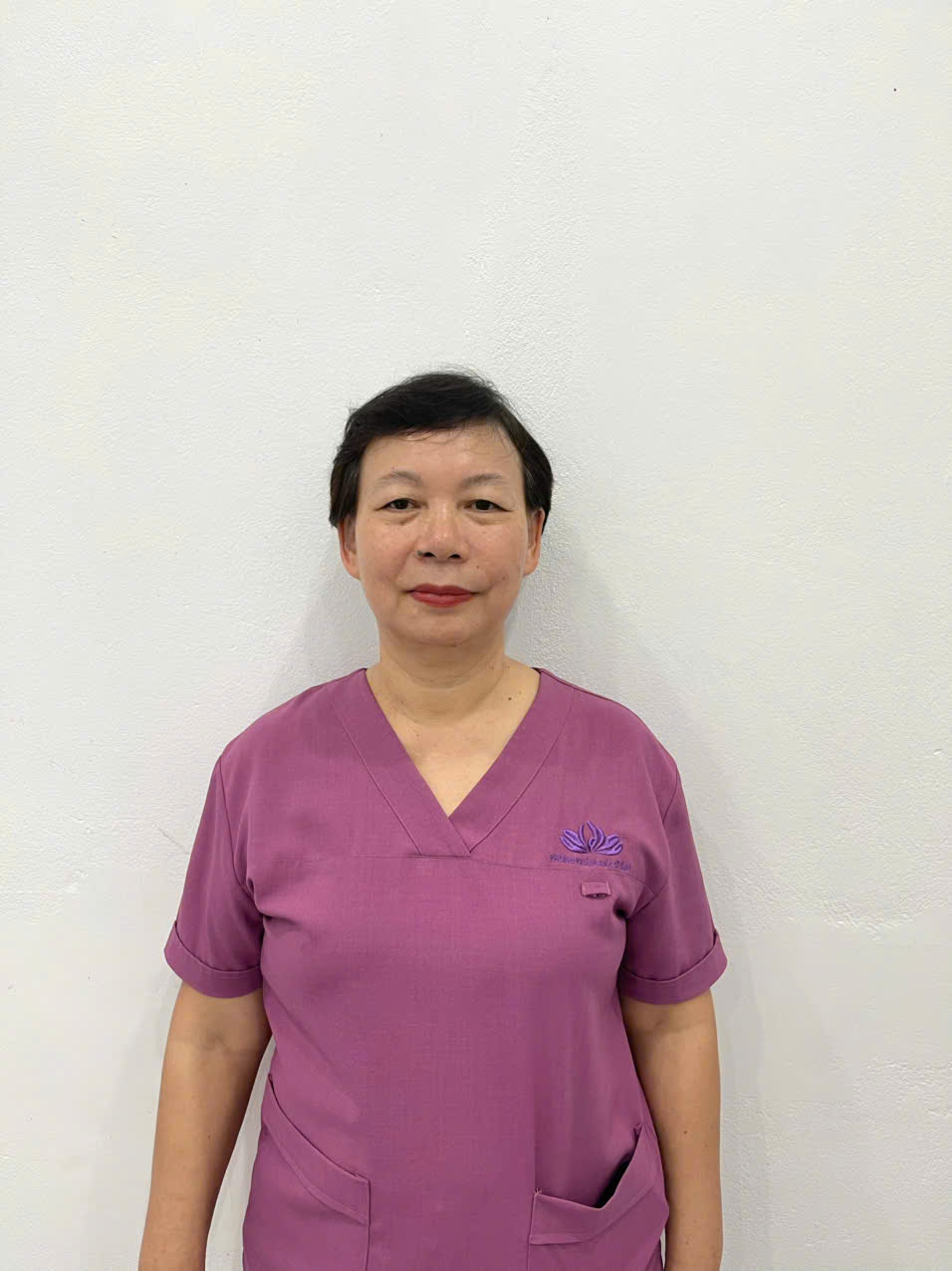
BSCKI. Trần Thị Thúy Lâm, with over 30 years of prenatal care and OB-GYN experience, shares: “Every woman experiences pregnancy differently. Some have symptoms very early, while others notice almost nothing until a missed period. The important thing is when you suspect pregnancy, take a test and see a doctor early.”
12 Earliest Signs of Pregnancy
Below are the 12 most common signs, arranged by timing of appearance. Note: not everyone experiences all signs, and some may resemble premenstrual symptoms.
Weeks 3-4 (Before Missed Period)
1. Implantation Bleeding
Implantation bleeding occurs when the embryo implants into the uterine lining, causing minor blood vessel damage.
How to recognize:
- Light pink or brown blood, very small amount (just a few drops or streaks)
- Occurs 6-12 days after conception (about 1 week before expected period)
- Lasts 1-3 days, much lighter than a period
- No blood clots
Distinguishing from menstruation:
| Feature | Implantation Bleeding | Menstruation |
|---|---|---|
| Amount | Very little (few drops) | Heavy, increasing |
| Color | Light pink / brown | Bright red to dark red |
| Duration | 1-3 days | 4-7 days |
| Cramps | Mild or none | Present, can be severe |
Note: About 20-30% of pregnant women experience implantation bleeding, so this sign doesn’t occur in everyone.
2. Mild Cramping (Implantation Cramps)
- Mild lower abdominal contractions, like light period cramps
- Due to the uterus changing to receive the embryo
- Lighter and shorter than typical menstrual cramps
- Often accompanies implantation bleeding
- If severe on one side, need to rule out ectopic pregnancy
3. Breast Tenderness — The Earliest Sign for Many Women
- Breasts become more sensitive, painful when touched or wearing a bra
- Breasts are swollen, larger than usual
- Nipples darken, areolas widen
- Breast veins become more visible
- Appears as early as 1-2 weeks after conception
- Due to increased estrogen and progesterone stimulating mammary gland development
Weeks 4-6 (After Missed Period)
4. Missed Period — The Clearest Sign
- Period doesn’t arrive on the expected date
- This is the sign that causes most women to suspect pregnancy
- Test as soon as period is 1 day or more late
- Note: Missed periods can also result from menstrual disorders, stress, weight changes, PCOS, perimenopause
5. Nausea and Vomiting (Morning Sickness)
- Usually starts weeks 4-6, worst at weeks 8-12, subsides after weeks 14-16
- Can occur any time of day, not just mornings
- 70-80% of pregnant women experience morning sickness to varying degrees
- Sensitivity to smells (food, perfume, gasoline, cigarette smoke)
- Caused by rapidly rising hCG stimulating the brain’s vomiting center
Tips to reduce morning sickness:
- Eat small, frequent meals
- Eat dry crackers before getting out of bed
- Drink ginger water, suck ginger candies
- Avoid triggering smells
- Supplement vitamin B6 (as advised by doctor)
When to see a doctor: Excessive vomiting, inability to eat or drink, weight loss, dehydration — may be hyperemesis gravidarum, requiring hospitalization.
6. Unusual Fatigue
- Exhaustion, sleepy all day — noticeably more tired than normal
- Feeling unable to keep eyes open, needing 2-3 extra hours of sleep per day
- Due to sharply rising progesterone and increased blood production to nourish the fetus
- Usually worst in the first trimester, improves in the second
- Fatigue returns in the third trimester as the baby grows
7. More Frequent Urination
- Urinating more often, including at night
- Starts from weeks 4-6 and continues throughout pregnancy
- Due to the growing uterus pressing on the bladder + 50% increased blood flow through the kidneys
- Note: If accompanied by painful urination or cloudy urine — suspected UTI, needs examination
8. Changes in Appetite and Smell Sensitivity
- Craving foods you normally don’t like, or losing appetite for favorites
- Smell sensitivity multiplied — food, perfume, gasoline, cigarette smoke can all cause nausea
- Metallic taste in the mouth — due to hormonal changes affecting taste
- May crave unusual things (dirt, ice) — pica phenomenon, discuss with doctor
Weeks 6-8
9. Dizziness and Lightheadedness
- Due to blood pressure dropping (progesterone causes vasodilation) and blood sugar fluctuations
- Often occurs when standing up quickly, standing for long periods, or being hungry
- May faint in severe cases
- Prevention: Stand up slowly, eat regularly, drink enough water, avoid standing for long periods
10. Constipation and Bloating
- Progesterone slows intestinal movement, food moves more slowly
- Bloating, gas, indigestion
- Affects very early in pregnancy, continues throughout
- Relief: Drink plenty of water, eat fiber (vegetables, fruits), gentle exercise
11. Nasal Congestion and Nosebleeds
- Increased estrogen causes nasal mucosa swelling and increased secretions
- Stuffy nose, runny nose similar to a cold but without fever
- Nosebleeds due to increased blood flow
- Called “rhinitis of pregnancy”
12. Mood Swings
- Easy crying, irritability, emotional without reason
- Anxiety, restlessness
- Rapid mood changes
- Due to sudden estrogen and progesterone changes affecting neurotransmitters
Other Less Common Signs
Beyond the 12 main signs, some women also notice:
- Sudden increase in acne
- Excess saliva production
- Headaches — due to hormonal and circulatory changes
- Mild lower back pain
- Sustained slightly elevated body temperature (basal temperature above 37°C for over 18 days)
- Increased discharge — clear or milky white, odorless discharge is normal
When Should You Take a Pregnancy Test?
| Timing | Method | Accuracy | Notes |
|---|---|---|---|
| Day of missed period | Home test (first morning urine) | 97-99% | Convenient, do at home |
| 7-10 days after conception | Blood beta-hCG test | 99%+ | Earliest detection, precise measurement |
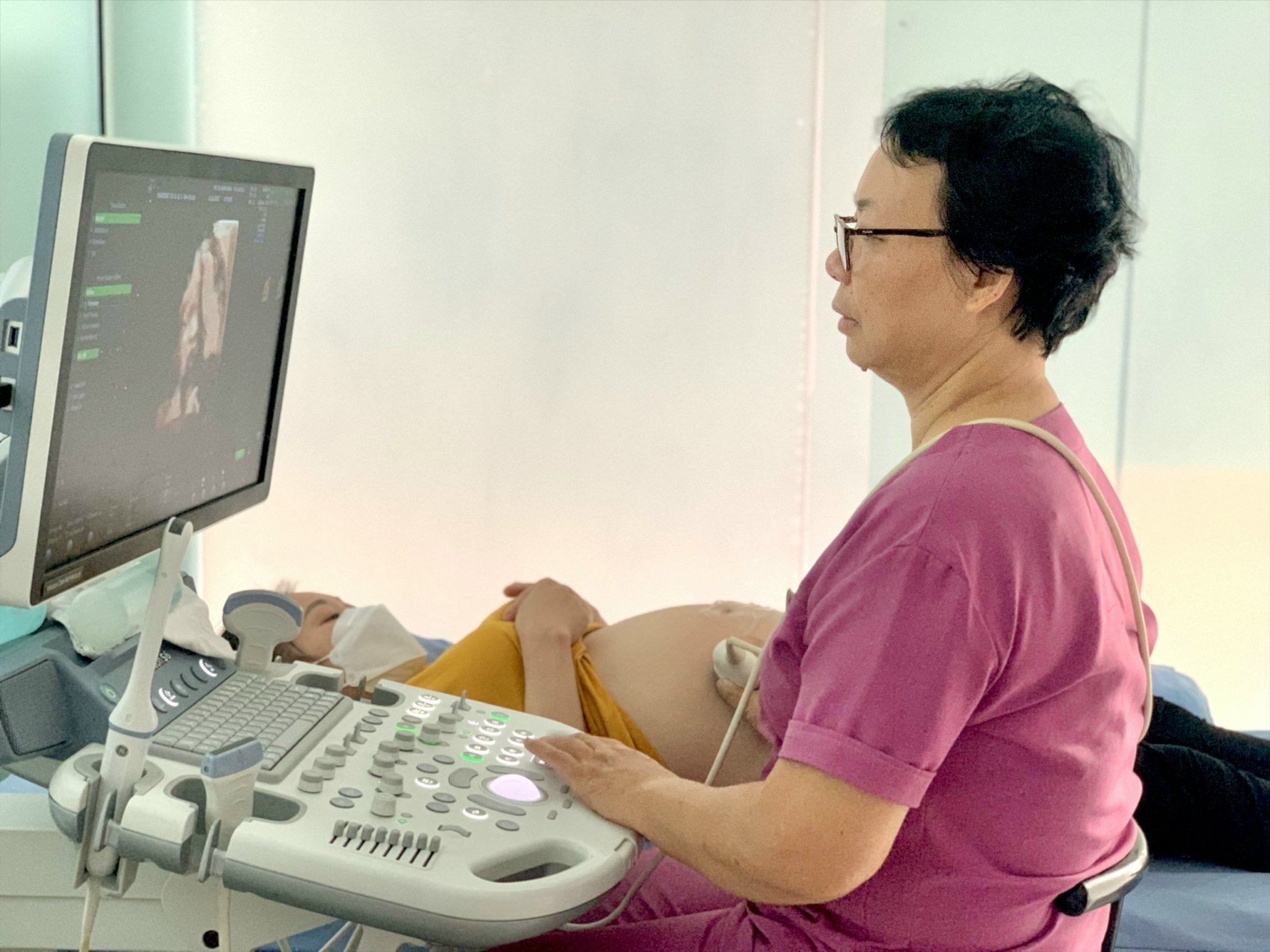
| 5-6 weeks gestational age | Ultrasound confirmation | 100% | See gestational sac, detect heartbeat |
Home Pregnancy Test Instructions
For the most accurate results:
- Test in the morning immediately after waking (most concentrated urine, highest hCG)
- Test after the expected period date by at least 1 day
- Read results at the correct time noted in instructions (usually 3-5 minutes)
- Don’t read results too late (over 10 minutes) — “ghost lines” may appear causing confusion
Faint second line result: High likelihood of pregnancy (low hCG level). Retest after 2-3 days or get a blood test to confirm.
Negative test but still late period: May have tested too early. Retest after 3-5 days or get a blood beta-hCG test.
When to See a Doctor
After Confirming Pregnancy (Positive Test)
See a prenatal care doctor early to:
- Confirm intrauterine pregnancy — Rule out ectopic pregnancy (very important)
- Detect heartbeat — Usually detectable from weeks 6-7 via transvaginal ultrasound
- Calculate gestational age and accurate due date
- Basic blood tests: blood type, Rh, hemoglobin, hepatitis B, HIV, syphilis
- Counseling on first trimester nutrition, folic acid supplementation, vitamins
URGENT Appointment (Same Day) If:
- Severe one-sided abdominal pain — Warning sign of ectopic pregnancy
- Heavy bleeding with abdominal pain — Suspected threatened miscarriage
- Dizziness, fainting — Possible internal bleeding from ruptured ectopic pregnancy
- Excessive vomiting, unable to eat or drink, dehydration
- History of previous ectopic pregnancy — 10-15% recurrence risk
- History of recurrent miscarriage — needs close monitoring
Early Pregnancy Checkup Schedule
| Gestational Week | Content | At Phòng Khám BS Lâm |
|---|---|---|
| 5-7 | Ultrasound confirms pregnancy, heartbeat | Yes |
| 8-10 | Ultrasound evaluates development, basic blood tests | Yes |
| 11-13 | NT ultrasound + Double test (Down screening) | Yes |
See full schedule: Important prenatal milestones
What to Do Immediately When You Know You’re Pregnant
Do:
- Take folic acid 400-800 mcg/day (ideally from 1 month before pregnancy) — prevents neural tube defects
- Supplement iron, calcium as advised by doctor
- Eat a nutritious, balanced diet — protein, vegetables, fruits, milk
- Get enough rest, avoid heavy work
- Schedule your first prenatal visit during weeks 6-8
Don’t:
- DO NOT drink alcohol — causes fetal abnormalities (fetal alcohol syndrome)
- DO NOT smoke and avoid secondhand smoke
- DO NOT take medications without medical advice — many drugs harm the fetus, including common painkillers
- DO NOT eat raw food (sushi, raw eggs, rare meat) — risk of bacterial infection
- DO NOT use saunas, bathe in water above 38°C
- Limit caffeine — maximum 200mg/day (about 1-2 small cups of coffee)
Practical Advice for First-Time Mothers
If this is your first pregnancy, you may feel anxious and overwhelmed. Here is advice from BSCKI. Trần Thị Thúy Lâm:
- Stay calm and happy: Stress negatively affects pregnancy. Enjoy this special journey.
- Keep prenatal appointments: Don’t skip important milestones, especially the weeks 11-13 screening.
- Share with family: Support from your husband and family is crucial throughout pregnancy.
- Ask your doctor: Any question, no matter how small, should be asked. No question is “silly.”
- Listen to your body: Rest when tired, eat when hungry, and see a doctor when something feels wrong.
Early Prenatal Care at Phòng Khám Bác Sỹ Lâm
Phòng Khám Sản Phụ Khoa Bác Sỹ Lâm provides comprehensive prenatal care from the earliest weeks:
- Beta-hCG blood test for precise pregnancy confirmation
- Ultrasound transvaginal to confirm intrauterine pregnancy, early heartbeat detection
- Basic blood tests for expectant mothers (blood type, hemoglobin, hepatitis B, HIV)
- Nutrition counseling — appropriate folic acid, iron, calcium supplementation
- Establish prenatal schedule per important milestones
- Prenatal screening — Double test, NIPT partnered with Medlatec Hospital
BSCKI. Trần Thị Thúy Lâm has over 30 years of experience in prenatal care and OB-GYN, formerly of the Obstetrics Department at Lao Cai Provincial General Hospital. Dr. Lâm has accompanied thousands of expectant mothers from the earliest weeks to healthy delivery.
Suspect you’re pregnant? Come in early for confirmation and begin a safe, healthy pregnancy journey from the start.
Call now: 0986 321 000 | Address: 125 Hàm Nghi, Kim Tân, Lào Cai
The clinic is open Monday to Saturday, morning 7:30-11:30, afternoon 1:30-5:00. Appointments accepted by phone and Zalo.