What Is Perimenopause?
Perimenopause is the natural transitional phase before a woman reaches full menopause. During this period, the ovaries gradually reduce production of the two most important female hormones — estrogen and progesterone — causing a series of physical, mental, and overall health changes.
Menopause is officially confirmed when a woman has not had a period for 12 consecutive months. Perimenopause is the 2-8 year period before that point, averaging about 4 years.
For Vietnamese women, perimenopause typically begins between ages 45-55, averaging around 47-48. However, some women may start earlier (40-45) — called early perimenopause, or even before 40 — called premature ovarian insufficiency, requiring medical monitoring.
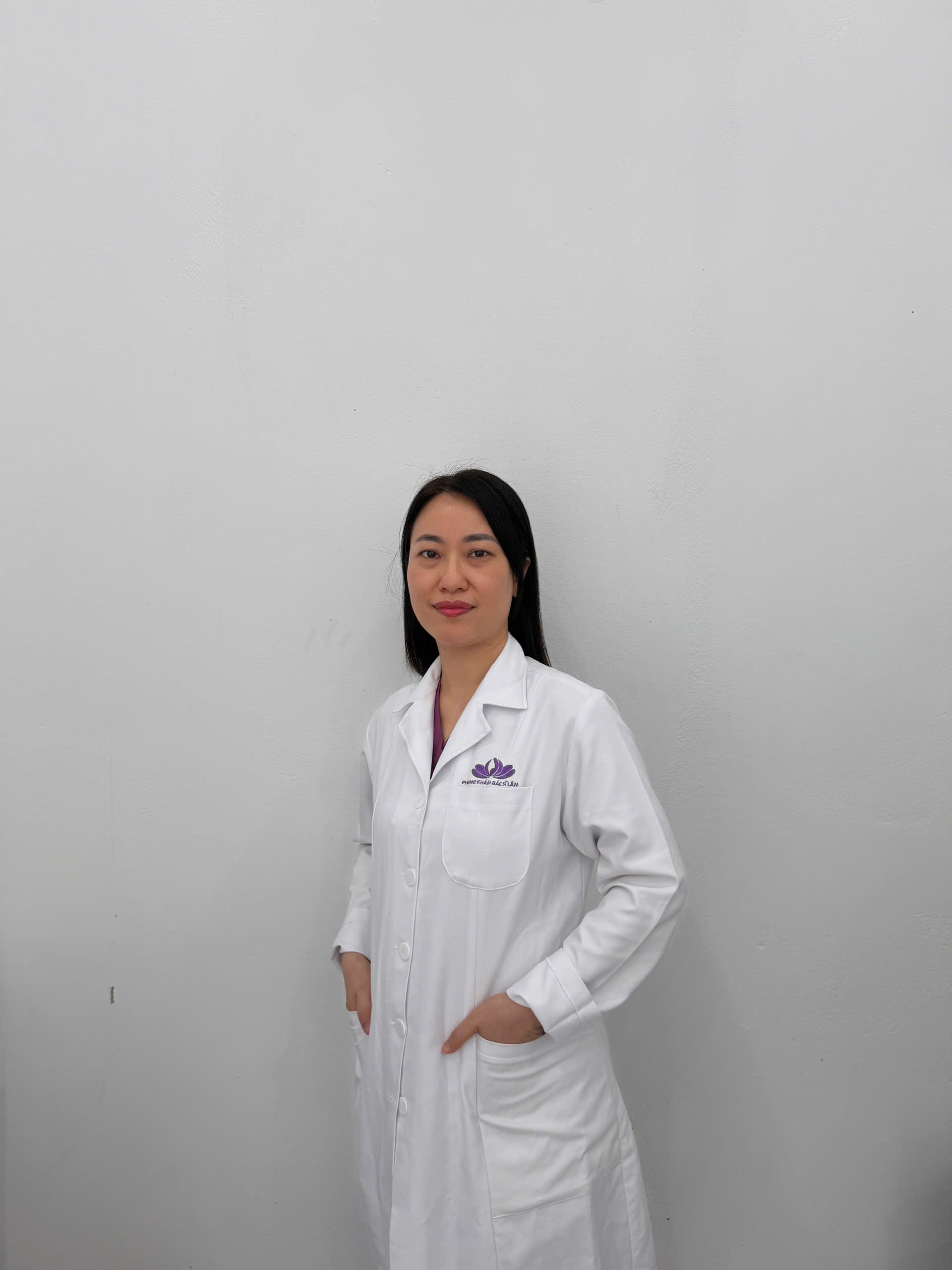
BSCKI. Trần Thị Thúy Lâm, member of the Vietnam Sexual Health Association with over 30 years of OB-GYN experience, shares: “Perimenopause is a natural phase in every woman’s life, not a disease. However, understanding the signs and knowing how to care for your health properly will help women go through this phase smoothly and maintain good quality of life.”
The Physiology of Perimenopause
To understand why perimenopause causes many symptoms, you need to know the role of female hormones:
Estrogen — the most important “female hormone,” affecting:
- Menstrual cycle and fertility
- Bone health (helps calcium absorption, maintains bone density)
- Cardiovascular system (protects blood vessels, controls cholesterol)
- Vaginal and bladder mucosa (maintains moisture, elasticity)
- Skin, hair (collagen production)
- Brain (affects mood, memory, sleep)
As the ovaries gradually “retire,” estrogen levels fluctuate erratically — sometimes high, sometimes low, no longer stable. It is this erratic fluctuation (not just estrogen decline) that causes most perimenopausal symptoms.
10 Most Common Perimenopausal Signs
1. Irregular Menstruation
This is the first and most common symptom — affecting nearly 100% of women:
- Cycles becoming longer (35-40+ days) or shorter (21-24 days)
- Heavier or lighter than normal
- Skipping 1-2 months then returning
- Prolonged menstrual disorders
Note: Abnormally heavy bleeding, prolonged bleeding, or bleeding between periods needs examination to rule out uterine fibroids, cervical polyps, or other conditions.
2. Hot Flashes
The most characteristic symptom, affecting 75-80% of women:
- Sudden sensation of intense heat in the face, neck, chest, spreading to the whole body
- Lasts 1-5 minutes, sometimes up to 10 minutes
- May be accompanied by sweating, facial flushing, rapid heartbeat
- Frequency: several times/day to several times/hour
- Can last many years (average 7 years, up to 10 years)
Triggers: Stress, caffeine, alcohol, spicy food, warm rooms, smoking, being overweight.
3. Night Sweats
Hot flashes occurring at night, causing:
- Waking in the middle of the night
- Soaking clothes and bedsheets
- Needing to change clothes, difficulty falling back asleep
- Serious impact on sleep quality
4. Insomnia and Sleep Disorders
Affecting 40-60% of perimenopausal women:
- Difficulty falling asleep
- Waking multiple times during the night
- Waking too early, unable to fall back asleep
- Light sleep, not feeling rested upon waking
- Daytime fatigue, reduced concentration
5. Mood Changes and Mental Health
- Irritability, easily upset for no reason
- Increased anxiety, restlessness
- Sadness, depression — depression risk increases 2-3 fold
- Memory loss, forgetfulness — often called “brain fog”
- Reduced concentration
6. Vaginal Dryness and Genital Changes
Reduced estrogen causes:
- Vaginal mucosa becoming thin, dry, losing elasticity
- Pain during sexual intercourse (dyspareunia) — affecting 40-60% of women
- Itching, burning of the vulva
- Susceptibility to atrophic vaginitis from estrogen deficiency
- Abnormal discharge — usually reduced, may contain blood
7. Decreased Sexual Desire
Due to a combination of factors:
- Reduced hormones (estrogen, testosterone)
- Vaginal dryness causing painful intercourse
- Fatigue, insomnia
- Body changes causing lack of confidence
- Stress, mood swings
This is a common issue but many women are reluctant to share. In reality, there are many effective solutions a doctor can recommend.
8. Weight Gain and Fat Distribution Changes
- Average gain of 2-5 kg during perimenopause
- Especially increased belly fat (visceral fat) — more dangerous than subcutaneous fat
- Metabolism slows by about 5-10%
- Muscle loss accelerates without exercise
- Waist increases even if weight doesn’t change much
9. Dry Skin, Thinning Hair, Appearance Changes
- Skin: Rapid collagen loss (30% decline in the first 5 years after menopause), dry, wrinkled, less elastic
- Hair: Thinner, brittle, slower growth
- Nails: Brittle, breaks easily
- Hair growth: May appear on chin, upper lip (due to relatively increased testosterone)
10. Joint and Bone Pain
- Estrogen has a role in protecting bones and reducing joint inflammation
- Reduced estrogen: increased joint pain, morning stiffness
- Bone density decreases, increasing risk of osteoporosis and fractures
- Women lose up to 20% of bone density in the 5-7 years after menopause
Less Well-Known Symptoms
Beyond the 10 common signs, perimenopause can also cause:
- Heart palpitations — rapid, irregular heartbeat unrelated to physical activity
- Worsening headaches, migraines
- Dizziness, balance problems
- Recurrent urinary tract infections — due to thinning bladder mucosa
- Urinary urgency, incontinence — weakened pelvic floor
- Whole-body muscle aches
- Tinnitus, sensation of “insects crawling on the skin” (formication)
Long-Term Health Effects After Menopause
These are serious health risks women need to proactively prevent:
Osteoporosis
- Rapid bone loss 3-5 years after menopause (2-3%/year vs 0.5-1%/year before)
- 1 in 3 postmenopausal women develop osteoporosis
- Increased risk of vertebral, hip, and wrist fractures
- Prevention: Calcium 1200mg/day + Vitamin D 800-1000 IU/day + weight-bearing exercise
Cardiovascular Disease
- Estrogen protects the cardiovascular system (maintains high HDL, low LDL)
- After menopause, cardiovascular risk increases 2-3 fold
- Heart disease is the leading cause of death in postmenopausal women
- Prevention: Weight management, exercise, healthy eating, regular lipid screening
Genitourinary Syndrome of Menopause (GSM)
- Progressive vaginal dryness and atrophy
- Recurrent urinary infections
- Urinary urgency, incontinence
- Persistent pain during intercourse
- Treatment: Topical vaginal estrogen (cream, suppositories) is very effective and safe
Cognitive Decline
- Decreased memory, concentration
- Research suggests early menopause may increase dementia risk
- Prevention: Mental activity, exercise, adequate sleep
Comprehensive Health Care
Lifestyle Changes — The Most Important Foundation
Regular exercise (30-45 minutes/day, at least 5 days/week):
- Cardio (brisk walking, swimming, cycling): Reduces hot flashes, improves sleep, protects heart
- Strength training (weights, yoga): Maintains muscle, strong bones, reduces belly fat
- Pelvic floor exercises (Kegel): Prevents incontinence, improves sexual health
Nutrition:
- Calcium-rich: Milk, yogurt, cheese, small fish, dark green vegetables, tofu
- Adequate vitamin D: 15-20 minutes of morning sun, fatty fish, eggs, mushrooms
- Adequate protein: Maintains healthy muscles, bones, skin
- Phytoestrogens (plant estrogens): Soy, tofu — may mildly reduce hot flashes
- Omega-3: Fatty fish, flaxseed, chia seeds — anti-inflammatory, heart protective
- Limit: Caffeine, alcohol (increase hot flashes), sweets, processed foods
Mental health care:
- Yoga, meditation, deep breathing — Reduce stress, hot flashes, improve sleep
- Maintain social activities, stay connected with friends
- Share with family about the changes you’re experiencing
- Seek professional psychological support if needed
Sleep hygiene:
- Regular sleep-wake schedule
- Cool, well-ventilated bedroom (18-20°C)
- Cotton, breathable sleepwear
- Avoid caffeine after 2 PM, avoid alcohol before bed
- Limit phone and computer use 1-2 hours before bed
When to See a Doctor
See a doctor right away when:
- Severe hot flashes seriously affecting daily life and work
- Insomnia lasting over 2 weeks, affecting health
- Depression, severe anxiety, negative thoughts
- Post-menopausal vaginal bleeding (after 12 months without a period) — needs to rule out pathology
- Abnormally heavy bleeding, prolonged periods
- Severe bone and joint pain, suspected osteoporosis
- Vaginal dryness causing painful intercourse, affecting quality of life
- Urinary symptoms (urgency, frequency, incontinence)
- Want counseling about women’s sexual health
Regular checkups every 6-12 months including:
- Gynecological exam, cervical cancer screening
- Bone density measurement (DEXA) — recommended for women over 50
- Blood lipid and glucose testing
- Blood pressure, weight, BMI check
Medical Treatment Options
1. Hormone Replacement Therapy (HRT)
- Most effective for hot flashes, night sweats, vaginal dryness
- Protects bones, reduces osteoporosis and fracture risk
- Improves mood, sleep, quality of life
- Available as oral, patch, gel, or vaginal forms
- Safe for women under 60 or within 10 years of menopause, when no contraindications exist
- Doctor will evaluate individual benefit-risk profile before prescribing
2. Topical Estrogen
- Vaginal cream or suppositories with low-dose estrogen
- Effective for vaginal dryness, painful intercourse, atrophic vaginitis
- Very little systemic absorption — safer than systemic HRT
- Can be used long-term
3. Non-Hormonal Medications
- SSRIs/SNRIs (low-dose antidepressants): Reduce hot flashes 50-60%, improve mood
- Gabapentin: Reduces hot flashes, night sweats
- Clonidine: Blood pressure medication with hot flash-reducing effects
- Suitable for women with HRT contraindications
4. Nutritional Supplements
- Calcium 1200 mg + Vitamin D 800-1000 IU/day — Osteoporosis prevention
- Soy isoflavones — Mildly reduces hot flashes (moderate evidence)
- Black cohosh — Herbal remedy for hot flashes (limited evidence)
Advice for Family Members
Perimenopause affects not just the woman but the whole family. Family members can support by:
- Understanding that mood changes are hormonal, not intentional
- Listening and empathizing when she shares difficulties
- Exercising together, eating healthily together
- Encouraging doctor visits when symptoms affect daily life
- Adjusting bedroom temperature, supporting better sleep
Perimenopause Counseling at Phòng Khám Bác Sỹ Lâm
BSCKI. Trần Thị Thúy Lâm is a member of the Vietnam Sexual Health Association, formerly of the Obstetrics Department at Lao Cai Provincial General Hospital, with over 30 years of experience. Dr. Lâm specializes in comprehensive health counseling for perimenopausal and menopausal women:
- Comprehensive assessment of perimenopausal symptoms
- Hormone testing (FSH, estrogen) when confirmation is needed
- Personalized HRT counseling
- Topical estrogen prescription for genitourinary symptoms
- Cervical cancer screening on schedule
- Gynecological examination for early detection of menopausal-age conditions
- Referral for bone density testing, cardiovascular evaluation when needed
Perimenopause is not an ending — it’s the beginning of a new phase that needs proper care. Come in for a consultation to find the most suitable solution for you.
Call now: 0986 321 000 | Address: 125 Hàm Nghi, Kim Tân, Lào Cai
The clinic is open Monday to Saturday, morning 7:30-11:30, afternoon 1:30-5:00. Appointments accepted by phone and Zalo.