The Importance of Third Trimester Nutrition
The third trimester (weeks 28-40) is when the fetus grows most rapidly. During these 3 months, the baby grows from about 1 kg to 2.8-3.5 kg at birth — nearly tripling in weight. The baby’s brain, lungs, and immune system also mature during this period.
Proper nutrition in the third trimester not only ensures optimal fetal development but also helps the mother stay healthy, ready for delivery and the postpartum breastfeeding period.
With over 30 years of OB-GYN experience, BSCKI. Trần Thị Thúy Lâm has observed that many expectant mothers in Lao Cai lack knowledge about pregnancy nutrition, leading to nutrient deficiency or excessive weight gain. This article compiles guidelines based on the latest recommendations from the Ministry of Health and international medical organizations.
Energy and Nutrient Requirements
Energy
In the third trimester, expectant mothers need an additional 450-500 kcal/day compared to pre-pregnancy, totaling about 2,300-2,500 kcal/day (depending on activity level). This extra energy equals about one additional snack of a small bowl of pho or 2 boiled eggs with a glass of milk.
The important thing is that energy should come from quality nutritional sources, not empty-calorie foods like candy, soft drinks, or fast food. Prioritize nutrient-dense foods so every calorie has value for both mother and baby.
Protein
Protein needs increase to 70-80g/day in the third trimester, 25g more than normal. Protein is essential for:
- Fetal muscle, bone, and organ development
- Breast milk production
- Maintaining maternal health
- Supporting new blood and tissue production
Good protein sources: Lean meat, fish, eggs, tofu, milk, legumes. Combine both animal and plant protein for diverse amino acids and micronutrients.
Iron
Iron needs in the third trimester are 27-30mg/day. Iron deficiency causes anemia, making the mother tired, dizzy, and increasing the risk of preterm birth, postpartum hemorrhage, and low birth weight. Research shows 30-40% of pregnant women in Vietnam are anemic from iron deficiency, particularly common in mountainous regions like Lao Cai.
Good iron sources: Beef, organ meats (moderate intake, 1-2 times/week), spinach, lentils, iron-fortified cereals. Pair with vitamin C (oranges, lemons, bell peppers) to enhance absorption. Avoid tea and coffee right after meals as tannins inhibit iron absorption.
Calcium
Calcium needs are 1,000-1,200mg/day. During this period, the fetal skeleton mineralizes heavily. If the mother doesn’t provide enough calcium, the body takes it from her bones, leading to osteoporosis, joint pain, and nighttime leg cramps.
Good calcium sources: Milk and dairy products (one 200ml glass of milk contains about 240mg calcium), shrimp, crab, small fish eaten whole with bones, green vegetables, tofu. Spread calcium intake throughout the day rather than taking it all at once for better absorption.
DHA (Omega-3)
DHA is crucial for fetal brain and vision development, especially in the third trimester when the brain develops fastest. Need: 200-300mg/day. Research shows the fetus accumulates about 50-70mg of DHA daily during this period, primarily concentrated in the brain and retina.
Good DHA sources: Salmon, mackerel, sardines (eat 2-3 times/week), walnuts, chia seeds, fish oil. If unable to eat fish regularly, the doctor may recommend a DHA supplement.
Folic Acid and Vitamins
- Folic acid: Continue supplementing 400-600mcg/day
- Vitamin D: 600-800 IU/day, supports calcium absorption
- Vitamin B12: Important for fetal nervous system, especially for vegetarian mothers
- Zinc: 11-12mg/day, supports immune system and cell development
- Iodine: 220mcg/day, essential for fetal thyroid and brain development
Fiber and Water
In the third trimester, the enlarged uterus compresses the intestines causing constipation — one of the most common discomforts. Adequate fiber (25-30g/day) from vegetables, fruits, and whole grains plus 2-2.5 liters of water/day helps prevent constipation effectively. Develop a habit of drinking a glass of warm water in the morning to stimulate bowel movement.
Recommended Foods in the Third Trimester
High-Quality Protein
- Salmon, mackerel (rich in DHA): 2-3 times/week
- Lean beef: 2-3 times/week (rich in heme iron)
- Eggs: 1-2/day (yolks rich in choline, good for baby’s brain)
- Tofu, soybeans, mung beans
- Chicken, lean pork
- Shrimp, crab, oysters (thoroughly cooked)
Vegetables and Fruits
- Dark leafy greens: spinach, kale, water spinach (rich in iron, folic acid)
- Colorful vegetables: carrots, pumpkin, bell peppers (rich in vitamins A, C)
- Fresh fruits: oranges, grapefruit, kiwi, bananas, guava
- Sweet potatoes: rich in fiber and vitamin A
- Avocado: rich in healthy fats and folate
Starches and Grains
- Brown rice, oatmeal, whole wheat bread
- Sweet potatoes, potatoes
- Rice noodles, pho (in moderation)
- Chia seeds, flaxseeds: omega-3 and fiber supplement
Dairy Products
- Fresh milk: 2-3 glasses/day
- Yogurt: 1-2 cups/day (probiotics good for gut health)
- Cheese
Nuts and Healthy Fats
- Almonds, walnuts, cashews: rich in vitamin E and magnesium
- Olive oil, gac fruit oil: healthy fats
- Pumpkin seeds: rich in zinc and iron
Foods to Limit or Avoid
- High-mercury fish: Swordfish, shark, king mackerel — mercury affects fetal nervous system development
- Raw or undercooked foods: Raw fish, sushi, rare meat, raw eggs — risk of Listeria, Salmonella infection
- Processed foods: Sausages, industrial meat products, canned goods — high in preservatives and salt
- Caffeine: Limit to under 200mg/day (1-2 small cups of tea/coffee)
- Salt: Limit to under 5g/day, especially with edema or gestational hypertension
- Refined sugar: Candy, soft drinks — increases risk of gestational diabetes and oversized baby
- Alcohol: Absolutely no use throughout pregnancy
- Excessive organ meats: High in retinol vitamin A, excessive intake can harm the fetus
Sample One-Day Menu
Breakfast (7:00): Beef pho (1 medium bowl) + 1 glass of fresh milk
Mid-morning snack (9:30): 1 banana + 5-6 almonds
Lunch (11:30): Brown rice + pan-seared salmon + spinach soup + stir-fried water spinach with garlic
Afternoon snack (3:00): 1 cup yogurt + 1 kiwi
Dinner (6:00): Rice + beef stir-fried with bell peppers + shrimp pumpkin soup + tofu in tomato sauce
Evening snack (8:30): 1 glass warm pregnancy milk
Sample Day 2 Menu
Breakfast (7:00): Minced meat congee + 1 boiled egg + green vegetables
Mid-morning snack (9:30): 1 avocado smoothie + 3-4 walnuts
Lunch (11:30): Rice + ginger chicken stew + vegetable soup + lemongrass fried tofu
Afternoon snack (3:00): 1 orange + 1 cup Greek yogurt
Dinner (6:00): Fish noodle soup + fresh vegetables (water spinach, bean sprouts, herbs)
Evening snack (8:30): 1 glass warm fresh milk + 2 slices whole wheat bread
Nutrition for Special Cases
Gestational Diabetes
Gestational diabetes is increasingly common, affecting about 10-15% of pregnant women. Mothers need to:
- Limit white starches (white rice, noodles), replace with whole grains
- Divide into small meals (6/day), each main meal no more than 30-45g carbohydrates
- Combine protein and fiber in each meal to slow blood sugar rise
- Monitor blood sugar at home as directed by the doctor
- Completely avoid soft drinks, candy, overly sweet fruits
Iron-Deficiency Anemia
Iron-deficiency anemia is very common in the third trimester. In addition to prescribed iron supplements, mothers should:
- Eat red meat (beef, lamb) 3-4 times/week — heme iron from red meat absorbs 2-3 times better than non-heme iron from vegetables
- Drink orange juice or eat vitamin C-rich fruits with meals
- Don’t take iron with milk, tea, or coffee
- Supplement vitamin B12 and folic acid
Edema
Leg swelling is common in the third trimester. To reduce edema:
- Limit salt to under 5g/day, avoid salty foods
- Drink enough water (seems counterintuitive but dehydration makes the body retain more water)
- Eat potassium-rich foods: bananas, sweet potatoes, oranges, spinach
- If edema accompanies hypertension, see a doctor immediately as this may indicate preeclampsia
Role of Supplements (Prenatal Vitamins)
While diet is the best source of nutrition, many expectant mothers still need vitamin and mineral supplements. The doctor will assess and prescribe based on blood test results and individual health status. Mothers should never self-purchase supplements from unknown sources.
Special Notes for Lao Cai Mothers
Lao Cai’s cold winter weather requires expectant mothers to pay attention to:
- Eat warm foods, avoid cold foods that cause indigestion
- Add extra energy to keep the body warm
- Take advantage of nutritious local foods: stream fish, local greens, highland rice, wild honey
- Drink warm water regularly, don’t wait until thirsty
- Pay attention to food safety, especially when buying from markets
Mothers in highland areas should also supplement iodine from iodized salt or seafood, as mountainous regions are naturally iodine-deficient in soil and water.
When to See a Doctor
Expectant mothers should visit for prenatal care immediately when experiencing nutrition-related signs:
- Gaining weight too quickly (over 1kg/week) or not gaining weight
- Severe facial, hand, and leg swelling that doesn’t improve with rest
- Persistent fatigue, dizziness, pale skin (suspected anemia)
- Frequent nighttime leg cramps (suspected calcium or magnesium deficiency)
- Excessive thirst, frequent urination (suspected gestational diabetes)
- Severe nausea and vomiting, unable to eat
- Decreased fetal movement
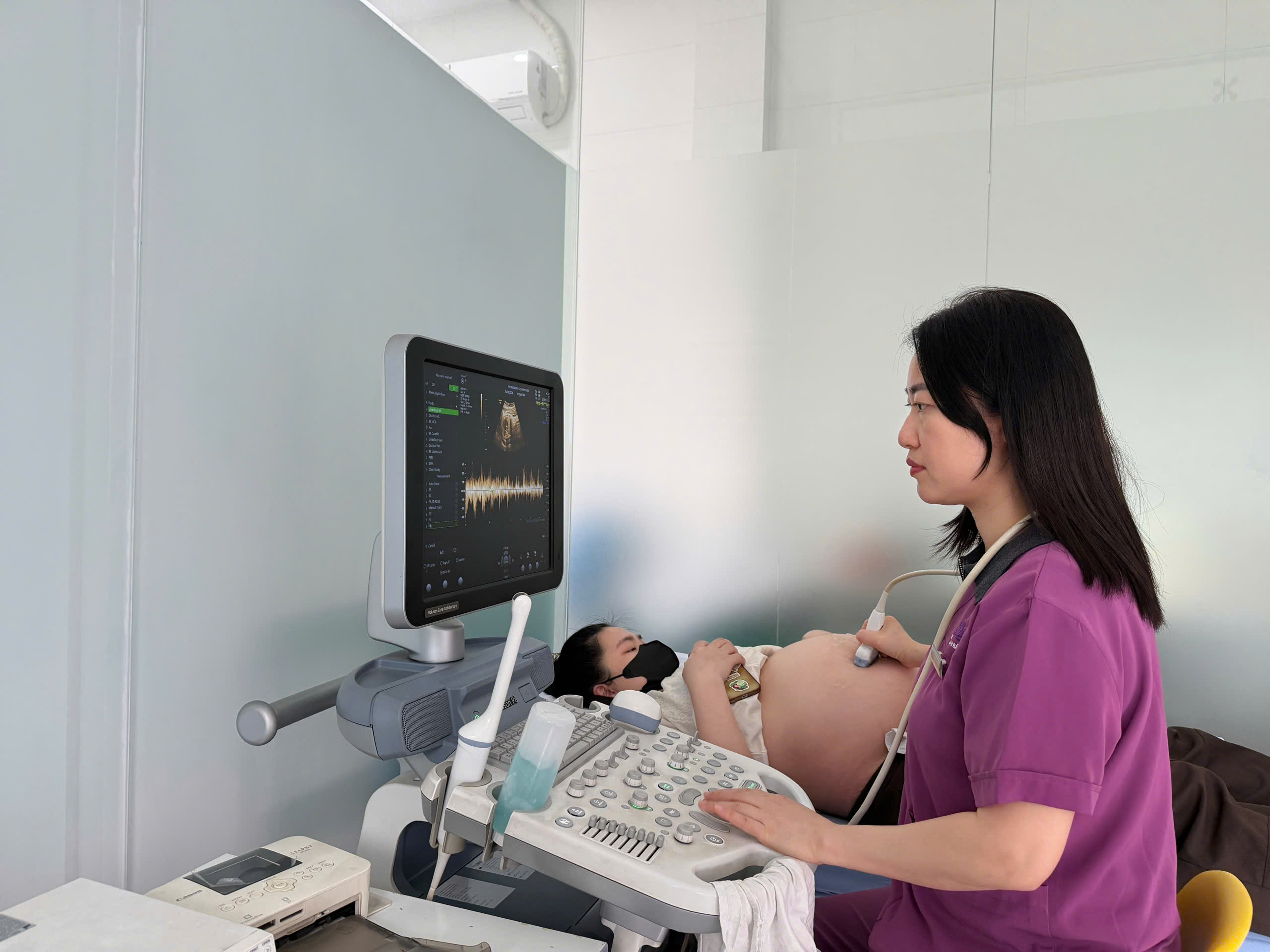
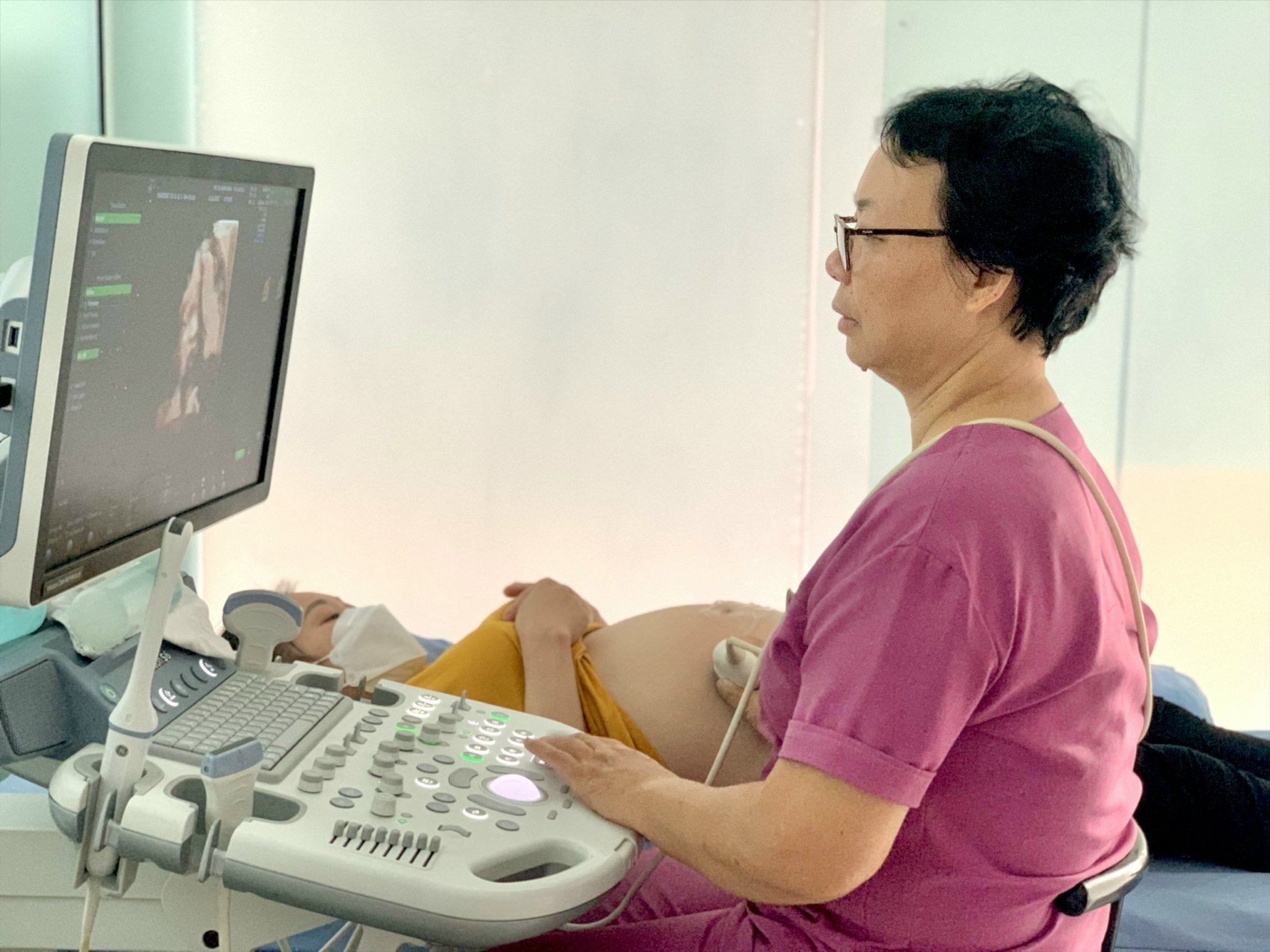
Regular prenatal checkups and prenatal ultrasounds help doctors assess fetal development and detect nutrition-related issues early.
Related Articles
- Exercise during pregnancy: Safe workouts for expectant mothers — Combining nutrition and exercise for a healthy pregnancy
- Preeclampsia: Danger signs every mother should know — A low-salt, calcium-rich diet helps prevent preeclampsia
- C-section vs vaginal delivery: Comparing pros and cons — Good nutrition prepares mothers for both delivery methods
BSCKI. Trần Thị Thúy Lâm, with over 30 years of OB-GYN experience, is always ready to advise on nutrition tailored to each expectant mother, especially cases of gestational diabetes, anemia, or excessive weight gain. Don’t hesitate to ask questions — every mother is unique and needs personalized advice.
Book an Appointment
Contact us now for personalized pregnancy nutrition counseling:
- Hotline: 0986 321 000
- Address: 125 Hàm Nghi, Kim Tân, Lào Cai
- Services: Regular prenatal care | Prenatal ultrasound