First Gynecological Exam Guide in Lao Cai — Everything You Need to Know
The first gynecological exam is an experience that many women feel nervous about, especially when they don’t know what the doctor will check and how to prepare. This feeling is completely normal — and this article will help you understand each step so you can feel more at ease.
With over 30 years of experience performing gynecological exams for thousands of women in Lao Cai, BSCKI. Trần Thị Thúy Lâm provides a detailed guide for your first gynecological exam, helping you prepare well and feel comfortable.
When Should You Have Your First Gynecological Exam?
Routine gynecological exams should begin at:
- Age 21 — per international medical recommendations
- Or after becoming sexually active
- Combined with cervical cancer screening from age 25
You should be examined sooner if you have:
- Irregular periods or severe menstrual cramps
- Abnormal vaginal discharge — changed color, foul odor, unusually heavy
- Itching, burning, swelling in the genital area
- Persistent lower abdominal pain
- Preparing for marriage or planning pregnancy
- Need for contraceptive counseling
Preparing Before Your Gynecological Exam
Best time for the exam
- 3–5 days after your period ends — the genital area is cleanest, test results are most accurate
- Avoid exams during your period — unless you have abnormal bleeding requiring urgent evaluation
- Early morning — if blood tests are needed
24–48 hours before the exam — do NOT:
- Have sexual intercourse (affects test results)
- Douche or use vaginal medications
- Use strongly scented feminine hygiene products
- Use creams or lubricants in the genital area
Day of the exam — DO:
- Bathe normally with clean water
- Wear loose pants or a skirt, comfortable and easy to change
- Wear clean underwear
- Bring a panty liner (slight discharge may occur after the exam)
- Write down the date of your last period
- Prepare a list of questions to ask the doctor
Documents to bring:
- National ID card
- Health insurance card (if applicable)
- Previous test results (if any)
First Gynecological Exam Process — Step by Step
Step 1: Registration and waiting (5–10 minutes)
When you arrive at the clinic, you will:
- Register your personal information
- Have blood pressure and weight measured
- Wait for your turn
Step 2: Medical history (5–10 minutes)
The doctor will have a conversation before the exam. Please answer honestly as all information is completely confidential:
- Menstrual cycle: Regular or irregular? How many days? Heavy or light?
- Last period date: Important for evaluation and ruling out pregnancy
- Current symptoms: Discharge? Itching? Pain? Abnormal bleeding?
- Sexual activity: Have you been sexually active? Using contraception?
- Medical history: Previous gynecological conditions? Surgeries? Drug allergies?
- Family history: Anyone in the family with breast, ovarian, or cervical cancer?
Don’t be embarrassed — gynecologists hear these questions every day. No answer is “shameful.”
Step 3: Clinical examination (10–15 minutes)
If you are sexually active:
The doctor will guide you onto the exam table:
- External inspection: Check for swelling, redness, or lesions in the genital area
- Speculum insertion: A small device gently opens the vagina to view the cervix. May feel slightly uncomfortable but is not painful. Deep breathing will help you relax
- Sample collection: If testing is needed (Pap smear, wet mount)
- Bimanual exam: The doctor places 1–2 fingers in the vagina while pressing gently on the abdomen to evaluate the size of the uterus and ovaries
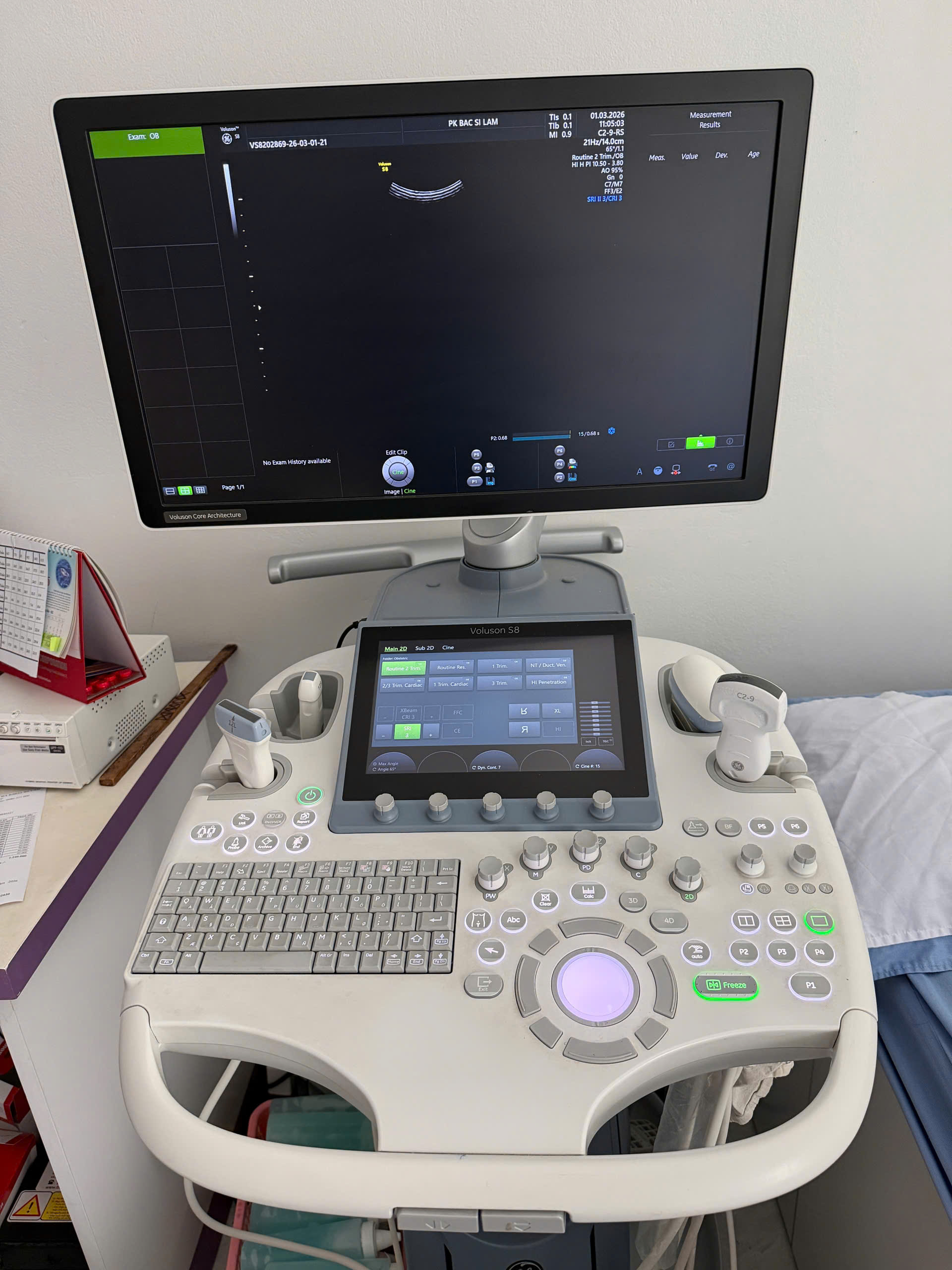
- Transvaginal ultrasound: Provides clear images of the uterus and ovaries
If you are not sexually active:
- No speculum, no internal exam
- Abdominal ultrasound (you’ll need to drink plenty of water for a full bladder)
- External exam only if needed
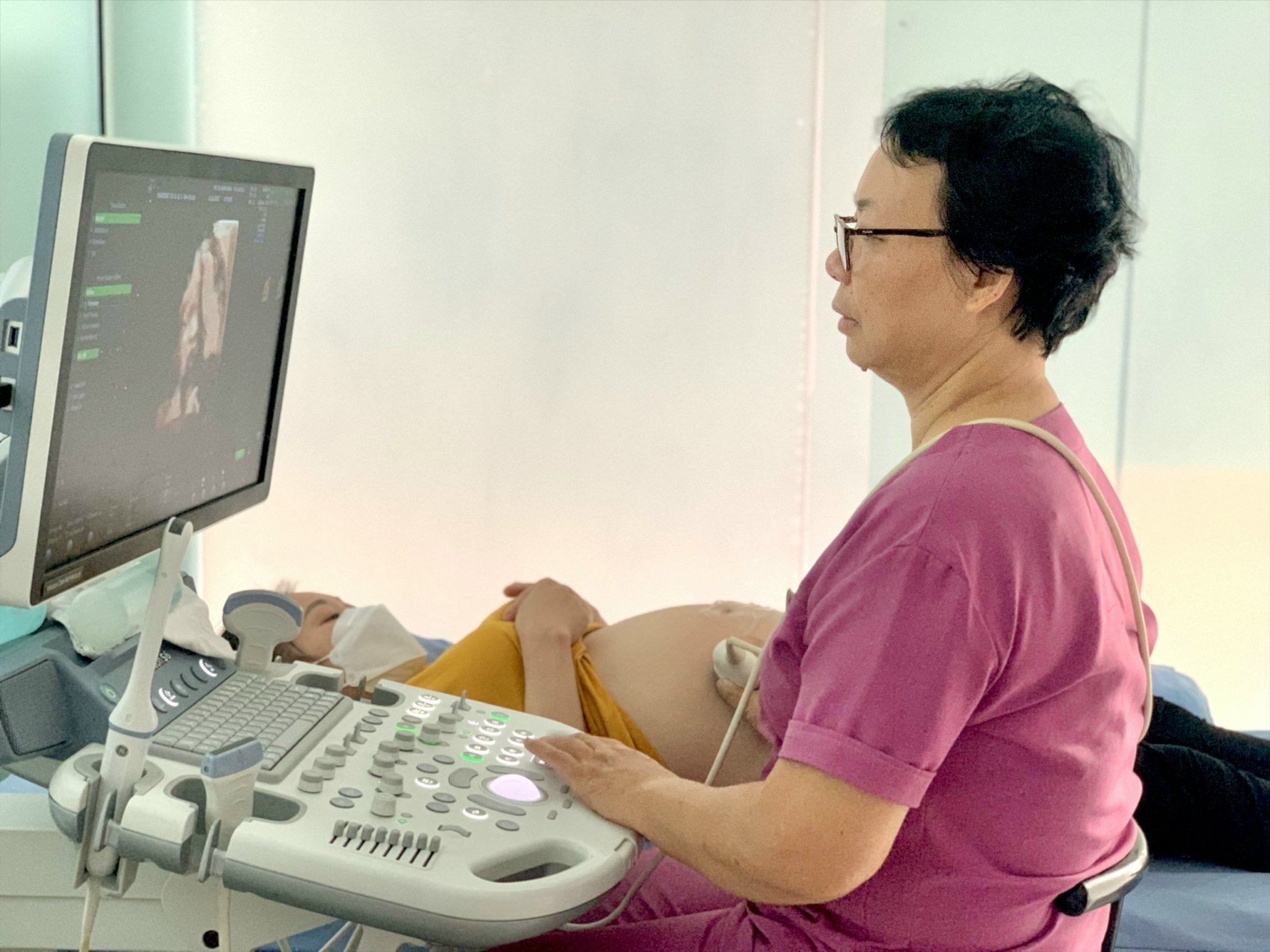
Step 4: Gynecological ultrasound (5–10 minutes)
- Evaluate the uterus: size, shape, any fibroids
- Evaluate the ovaries: any cysts, follicle count
- Evaluate the uterine lining
- Check for pelvic fluid (if pelvic inflammatory disease is suspected)
Step 5: Additional tests (if needed)
Depending on symptoms, the doctor may order:
- Vaginal discharge analysis (wet mount)
- Pap smear / HPV test — cervical cancer screening
- Blood tests (hormones, STI)
Step 6: Results consultation and prescription (5–10 minutes)
The doctor will:
- Explain exam results
- Provide a diagnosis (if applicable)
- Prescribe medication (if needed)
- Give care and hygiene instructions
- Schedule a follow-up visit
Total appointment duration: 30–60 minutes
Tips for a More Comfortable First Gynecological Exam
1. Choose a female doctor
Many women feel more comfortable with a female doctor. At Dr. Lam OB/GYN Clinic, BSCKI. Trần Thị Thúy Lâm and BSCKI. Đinh Thị Hiền are both experienced female doctors.
2. Let them know it’s your first time
When registering, tell the staff “this is my first gynecological exam.” The doctor will explain more thoroughly and be extra gentle.
3. Breathe deeply
During the exam, breathe evenly and relax your body. The more tense you are, the more your pelvic muscles contract, making the exam more uncomfortable.
4. Ask everything you want to know
Write down your questions beforehand. No question is “silly” — doctors are happy to explain everything.
5. Bring a companion (if you wish)
You can bring your mother, sister, or close friend for reassurance. However, during the exam, only you and the doctor will be in the room.
6. Book an appointment in advance
Booking ahead means you won’t have to wait long, reducing anxiety. Call 0986 321 000 or text to book.
Questions to Ask the Doctor During Your First Visit
Prepare some questions:
- Are my exam results normal?
- Do I need any additional tests?
- How should I care for my intimate area properly?
- Which contraceptive method should I use?
- How often should I come back for checkups?
- Should I get the HPV vaccine?
Routine Gynecological Exam — Recommended Frequency
| Age Group | Exam Frequency | Recommended Tests |
|---|---|---|
| 21–29 years | Every 12 months | Pap smear every 3 years |
| 30–65 years | Every 6–12 months | Pap + HPV every 5 years |
| Over 65 | Every 12 months | Based on history |
| With symptoms | Immediately | As directed by doctor |
Learn more: What should women in their 30s get checked? | Comprehensive women’s health checkup
First Gynecological Exam Costs in Lao Cai
| Item | Estimated Cost |
|---|---|
| Gynecological exam | 150–300K |
| Gynecological ultrasound | 200–400K |
| Discharge test (if needed) | 150–300K |
| Pap smear (if needed) | 300–500K |
| Total (basic exam) | 350–700K |
| Total (exam + tests) | 600K–1.5 million |
See details: Gynecological infection treatment costs in Lao Cai
Advice from the Specialist
“Your first gynecological exam is an important step in protecting your reproductive health. I understand many young women are nervous, but please trust that the visit only lasts 30–45 minutes and the doctor will always respect your privacy. Early detection of any issue makes treatment easier and less expensive.”
— BSCKI. Trần Thị Thúy Lâm, 30+ years of experience in obstetrics and gynecology
First Gynecological Exam at Dr. Lam OB/GYN Clinic
Dr. Lam OB/GYN Clinic is a great choice for your first gynecological exam in Lao Cai:
- Female doctors with extensive experience — BSCKI. Trần Thị Thúy Lâm and BSCKI. Đinh Thị Hiền
- Private, discreet examination rooms — for your comfort
- Comprehensive gynecological exam — standard process, gentle approach
- Modern equipment — ultrasound machines, sterile instruments
- Compassionate counseling — clear explanations at every step
- Open 7 days/week — flexible scheduling, weekend appointments available
Book a Gynecological Appointment
Call 0986 321 000 now to book your first gynecological exam.
Dr. Lam OB/GYN Clinic — 125 Ham Nghi, Kim Tan, Lao Cai | Phone: 0986 321 000 | Open: 7:00 AM–7:00 PM, 7 days/week.
Your first visit may feel a bit nerve-wracking, but afterward you’ll feel relieved knowing you’ve taken charge of your own health!