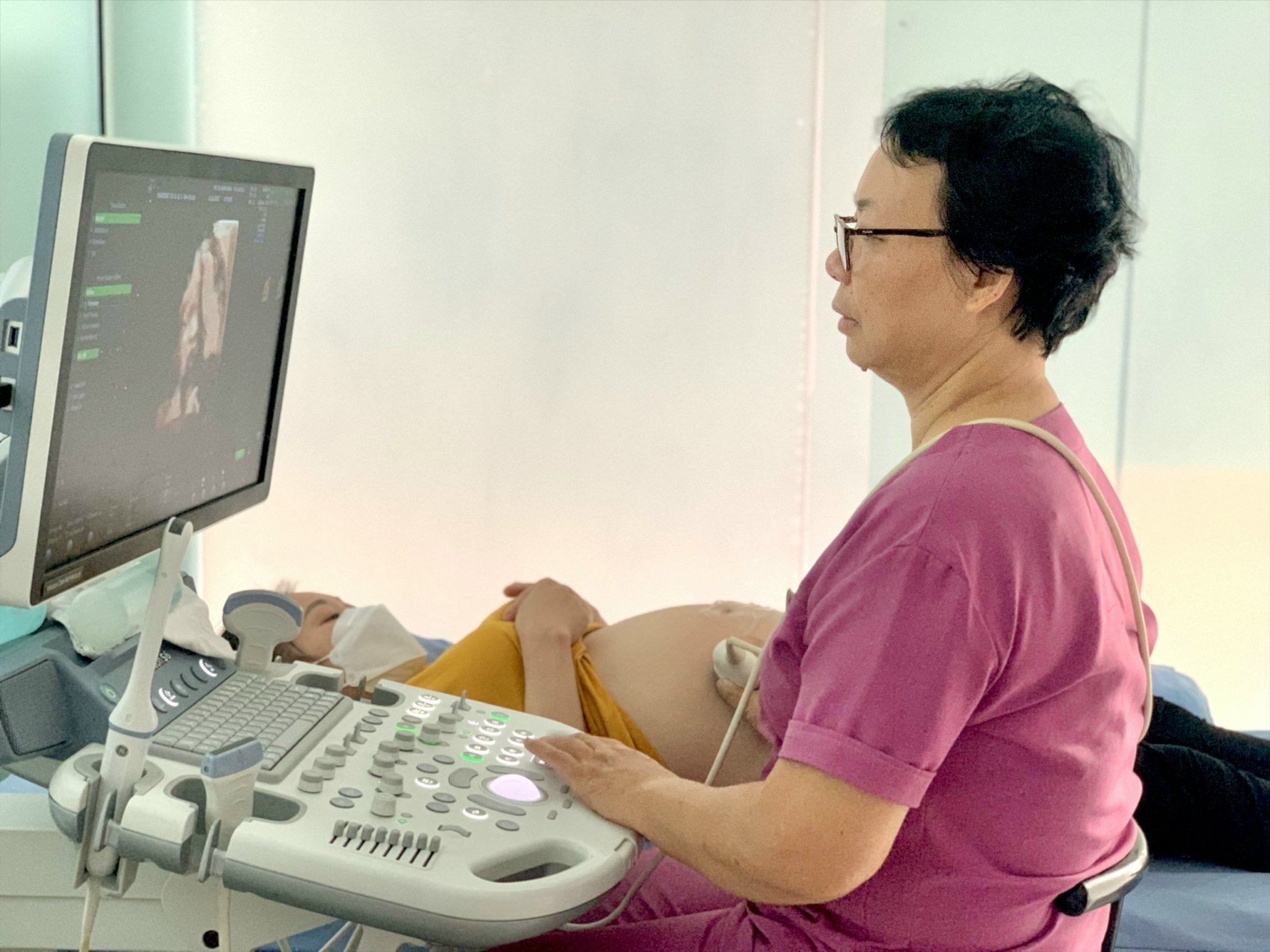
Why Do Women Need Regular Comprehensive Health Checkups?
Many dangerous conditions in women such as cervical cancer, breast cancer, ovarian cancer, diabetes, and hypertension progress silently for years before symptoms appear. By the time symptoms manifest, the disease is often at an advanced stage, making treatment more difficult and costly.
Regular comprehensive health checkups help detect diseases at early stages when they can be completely cured, while also evaluating risk factors for proactive prevention. This is the smartest health investment every woman should make.
Complete Women’s Health Checkup Checklist
1. General clinical examination
Basic measurements:
- Blood pressure: Detect hypertension — the “silent killer”
- Weight, height, BMI: Assess nutritional status, obesity
- Heart rate, respiratory rate
- Body temperature
General examination:
- Heart and lung examination
- Abdominal examination
- Thyroid examination (palpate for goiter, nodules)
- Skin and mucous membrane examination (detect anemia, dermatological conditions)
2. Gynecological examination
External examination:
- Inspect the vulva and perineum
- Detect lesions: genital warts, ulcers, papillomas
Speculum examination:
- Observe the vagina and cervix
- Evaluate vaginal discharge (color, odor, volume)
- Detect cervicitis, polyps, lesions
Bimanual examination:
- Assess uterine size, shape, and position
- Detect masses, adnexal tenderness
3. Cervical cancer screening
Cervical cancer is the 4th most common cancer in women worldwide, but it can be completely prevented and detected early.
Pap smear (cervical cytology):
- Start from age 21 or 3 years after first sexual intercourse
- Frequency: every 3 years (ages 21-29)
- After age 30: combine Pap smear + HPV test every 5 years
HPV test:
- Detects high-risk HPV strains (types 16, 18, and others)
- Combined with Pap smear increases sensitivity to nearly 100%
4. Breast cancer screening
Monthly self-examination:
- Perform 5-7 days after menstruation ends
- Observe and palpate for lumps, skin changes, nipple discharge
Clinical breast examination by doctor:
- Once a year during routine health checkups
Mammography:
- Start from age 40, every 1-2 years
- Women at high risk (family history of breast cancer): start earlier, may add breast MRI
Breast ultrasound:
- Supplements mammography, especially for women with dense breast tissue
- Can replace mammography for women under 40
5. Gynecological ultrasound
Transvaginal ultrasound:
- Evaluate the uterus: size, fibroids, endometrial polyps, adenomyosis
- Evaluate the ovaries: cysts, tumors
- Evaluate the fallopian tubes: fluid collection, tumors
- Measure endometrial thickness
Abdominal ultrasound:
- Used for women who haven’t had sexual intercourse
- General pelvic assessment
6. Basic blood tests
Complete blood count:
- Detect anemia (very common in women due to menstruation)
- Evaluate white blood cells (infection), platelets
Blood glucose:
- Fasting blood sugar: diabetes screening
- HbA1c: 3-month average blood sugar assessment
- Start screening from age 35 or earlier if risk factors exist (obesity, family history)
Lipid profile:
- Total cholesterol, LDL, HDL, Triglycerides
- Screen for dyslipidemia — cardiovascular risk factor
- Start from age 35, earlier if risk factors present
Liver function:
- AST, ALT, GGT, Bilirubin
- Detect hepatitis, fatty liver
Kidney function:
- Urea, Creatinine
- Urinalysis
Thyroid function:
- TSH, FT4
- Women have 5-8 times higher risk of thyroid disorders than men
7. Important additional tests
Sexually transmitted infection tests:
- HIV, Hepatitis B (HBsAg), Hepatitis C (Anti-HCV)
- Syphilis (VDRL/RPR)
- Chlamydia, gonorrhea (if risk factors present)
Serum iron and Ferritin:
- Evaluate iron stores — many women have latent iron deficiency even without anemia
Vitamin D:
- Especially important in Lao Cai where winters are long with limited sunlight
Blood calcium:
- Assess osteoporosis risk, especially for perimenopausal and postmenopausal women
Age-Specific Checklists
Women aged 20-29 (annually)
- Gynecological exam + gynecological ultrasound
- Pap smear (every 3 years from age 21)
- Basic blood tests
- STI tests
- HPV vaccination (if not yet vaccinated)
- Clinical breast exam
Women aged 30-39 (annually)
- All of the above
- Pap smear + HPV test (every 5 years if both negative)
- Blood sugar, lipid profile (from age 35)
- Thyroid function
- Breast ultrasound
Women aged 40-49 (annually)
- All of the above
- Mammography every 1-2 years
- Annual blood sugar, HbA1c testing
- Annual lipid profile
- Perimenopause symptom evaluation
- Hormone tests (FSH, estradiol) when menopause symptoms appear
Women aged 50 and over (annually)
- All of the above
- Bone density measurement (DEXA) — osteoporosis screening
- Annual mammography
- Colorectal cancer screening (colonoscopy or stool tests)
- Comprehensive cardiovascular risk assessment
- Menopause management and bone health
Preparation Before Your Checkup
For the most effective examination, women should:
- Fast for 8-12 hours if blood tests are needed (blood sugar, lipids)
- No sexual intercourse 24 hours before a Pap smear
- Schedule during a non-menstrual period (ideally 5-10 days after menstruation ends)
- Bring previous results for comparison
- Prepare a list of questions for the doctor
- Note your last menstrual date and any unusual symptoms
At Phong Kham Bac Sy Lam
BSCKI. Tran Thi Thuy Lam is committed to providing comprehensive, dedicated, and confidential women’s health examination services. With modern equipment and over 30 years of experience, the clinic is a trusted destination for women in Lao Cai for healthcare and protection.
Advice from the doctor
BSCKI. Tran Thi Thuy Lam often shares with patients: “Prevention is better than cure — and regular checkups are the most effective form of prevention.” Many cases of cervical and breast cancer detected early through routine checkups have been completely cured. Conversely, many patients who came late with obvious symptoms faced much more complicated and expensive treatment.
Some practical advice:
- Mark your checkup date in your phone or wall calendar — choose a fixed day each year (for example, your birthday) to remind yourself to get checked
- Keep previous results carefully — comparing results across years helps doctors detect abnormal trends early
- Don’t wait for symptoms to see a doctor — many dangerous diseases like ovarian cancer and early-stage cervical cancer have absolutely no symptoms
- Encourage family members (mothers, sisters, daughters) to go together — building good habits while supporting each other emotionally
- Make the most of your visit by asking the doctor all your health questions — don’t hesitate to ask, as it is your right
Investing in your health today is protecting your own future and your family’s.
Related articles
- Health checkups for women in their 30s — health checkup checklist specifically for women in their 30s
- Cervical cancer screening — Pap smear and HPV testing
- Signs of perimenopause — recognizing and managing the transition
See more: Cancer screening services | Gynecological treatment services
Phong Kham San Phu Khoa Bac Sy Lam — Address: 125 Ham Nghi, Kim Tan, Lao Cai
Book now: 0986 321 000 — Comprehensive women’s health checkups, modern equipment, confidential care.