Beginning the Journey of Motherhood
Your first pregnancy is a sacred but also bewildering experience. So many questions arise: What to eat? What to avoid? When to see the doctor? Feeling anxious is completely natural. This article compiles the 10 most important things first-time mothers need to prepare for a healthy and worry-free pregnancy.
1. Take folic acid and prenatal vitamins
Folic acid (vitamin B9) is the most important nutrient in early pregnancy. Supplementing 400-800 mcg of folic acid daily reduces the risk of neural tube defects (hydrocephalus, spina bifida) by 70%.
Ideally, start taking folic acid 1-3 months before conception. If you haven’t had time, begin immediately when you learn you’re pregnant. Additionally, prenatal vitamins containing iron, calcium, DHA, and iodine should be supplemented as directed by your doctor.
2. Early and regular prenatal visits
First visit (weeks 6-8)
- Confirm intrauterine pregnancy, rule out ectopic pregnancy
- Detect heartbeat (detectable from weeks 6-7 with transvaginal ultrasound)
- Calculate due date
- Complete blood tests: blood type, Rh, CBC, blood sugar, hepatitis B, HIV, syphilis, rubella
Key prenatal milestones
- Weeks 11-13: Nuchal translucency ultrasound + Double test
- Weeks 16-18: Triple test (if needed)
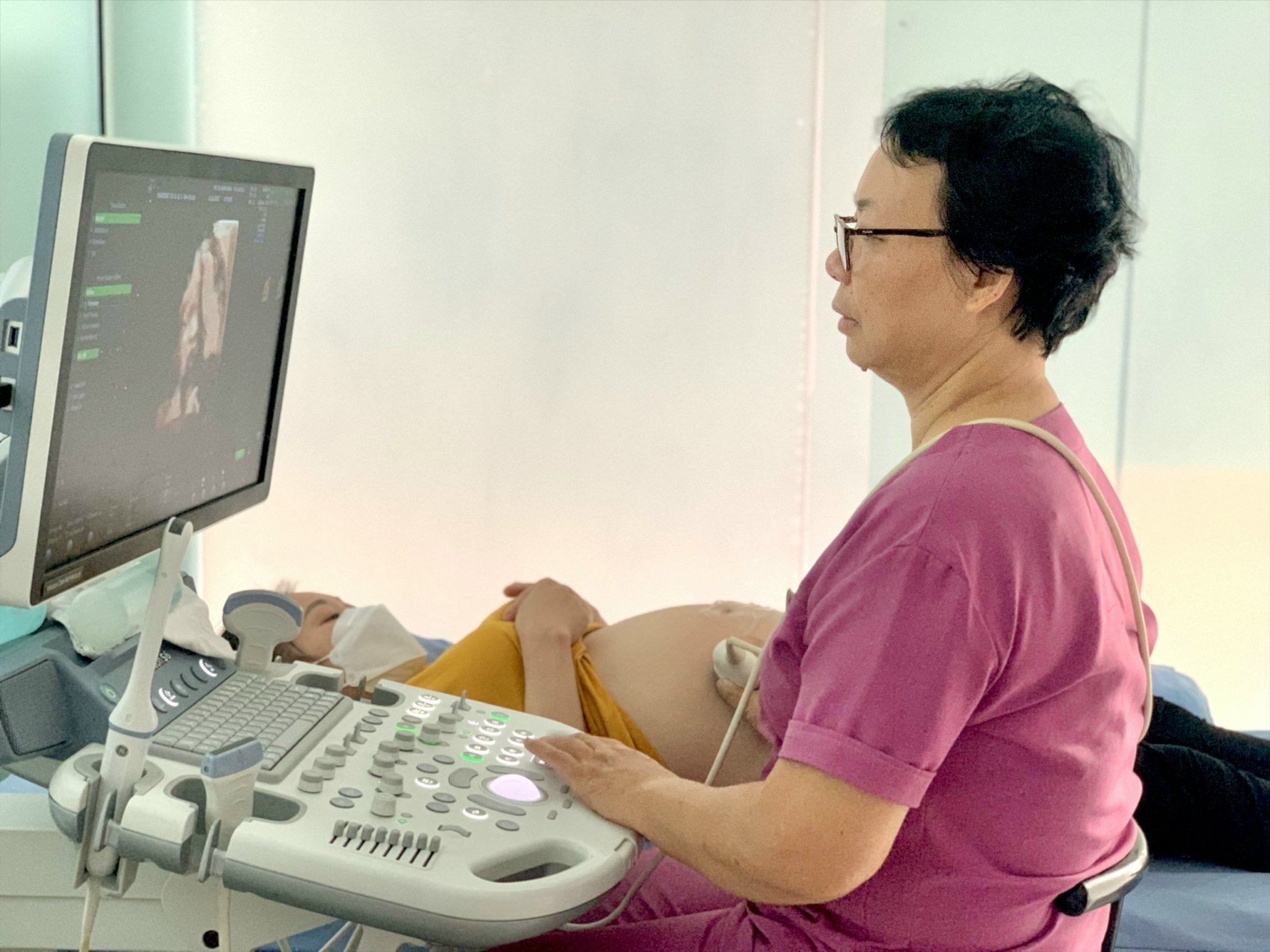
- Weeks 20-22: Morphology ultrasound (4D) — detects structural abnormalities
- Weeks 24-28: Oral glucose tolerance test (gestational diabetes screening)
- Weeks 30-32: Growth assessment ultrasound
- From week 36: Weekly visits, fetal heart monitoring
3. Build a balanced nutrition plan
Nutrition principles
- First trimester: No need to increase calories but diversify nutrition
- Second trimester: Add approximately 340 kcal/day
- Third trimester: Add approximately 450 kcal/day
Foods to eat
- Dark green vegetables (spinach, broccoli) — rich in folic acid and iron
- Quality protein: lean meat, fish, eggs, beans, legumes
- Milk and dairy products — calcium source
- Whole grains — fiber and B vitamins
- Fresh fruit — vitamin C helps absorb iron better
- Omega-3-rich fish (salmon, mackerel) — supports fetal brain development
Foods to avoid
- Raw or undercooked foods: sushi, ceviche, rare meat, raw eggs
- High-mercury fish: swordfish, shark, large mackerel
- Unpasteurized soft cheese (Listeria risk)
- Alcohol: completely avoid, no safe level exists
- Limit caffeine to under 200 mg/day (about 1 small coffee)
4. Understand the body changes
During a first pregnancy, the body undergoes many surprising changes:
First trimester
- Morning sickness (nausea, vomiting) — usually subsides after weeks 12-14
- Fatigue, excessive sleepiness
- Frequent urination
- Breast tenderness and sensitivity
Second trimester
- Belly begins to show, feel baby move (weeks 18-22)
- Skin changes: linea nigra, melasma
- Mild back pain
- Morning sickness usually ends, feeling healthier
Third trimester
- Belly grows quickly, difficulty breathing when lying on back
- Swollen feet, leg cramps
- Braxton Hicks contractions (false contractions)
- Difficulty sleeping, frequent nighttime urination
5. Safe exercise for expectant mothers
If the pregnancy is normal, light activity is very beneficial:
- Walking: 30 minutes daily, safest option
- Swimming: Reduces joint pressure, very comfortable
- Prenatal yoga: Improves flexibility, reduces stress, prepares for labor
- Kegel exercises: Strengthens pelvic floor muscles, supports vaginal delivery and postpartum recovery
Avoid: contact sports, heavy weightlifting, lying on your back after the 4th month, and exercising in excessively hot environments.
6. Mental and knowledge preparation
Read books and attend prenatal classes
- Learn about the stages of pregnancy
- Learn breathing and relaxation techniques
- Understand the labor and delivery process
- Prepare knowledge for newborn care
Build a support system
- Share emotions with your husband and family
- Connect with other expectant mothers
- Don’t hesitate to ask for help when needed
- Seek counseling if anxiety or depression becomes excessive
7. Know the danger signs requiring emergency care
Go to the hospital immediately if you experience:
- Vaginal bleeding at any stage
- Severe abdominal pain, continuous contractions
- Amniotic fluid leaking (clear, colorless fluid flowing out)
- Decreased fetal movement or no movement (after week 28)
- Severe headache, blurred vision, sudden swelling of face and hands (signs of preeclampsia)
- High fever above 38 degrees Celsius
8. Choose your birth facility and doctor
From early on:
- Choose a doctor to follow your pregnancy from start to finish
- Research birth facilities: equipment, medical team
- Discuss delivery methods: vaginal birth or cesarean section
- Prepare insurance documents and birth registration
9. Prepare supplies for mother and baby
For mother at the hospital
- Comfortable clothing, postpartum underwear
- Postpartum pads, breast pads
- ID, prenatal record book
- Personal hygiene items
For baby
- Newborn clothing (many sets as baby changes frequently)
- Diapers, burp cloths
- Blankets, hats, mittens, booties (especially essential in Lao Cai during cold season)
- Backup baby bottles
10. Take care of yourself — a healthy mother means a healthy baby
- Get enough sleep: 7-9 hours per night, lie on your left side from the second trimester
- Manage stress: Meditation, music, reading, warm baths
- Dental care: Visit the dentist early in pregnancy, maintain good oral hygiene
- Skin care: Sunscreen, moisturizer, stretch mark prevention cream
- Maintain relationships: Spend quality time with your husband and family
Advice from the doctor
Being anxious during your first pregnancy is completely normal. The most important thing is choosing a trusted doctor to accompany you throughout and following your prenatal schedule without hesitation to ask questions.
At Phong Kham Bac Sy Lam, BSCKI. Tran Thi Thuy Lam with over 30 years of pregnancy monitoring experience will accompany mothers from the first detection of pregnancy through delivery, ensuring a safe outcome for both mother and baby.
Practical tips for first-time mothers
Beyond the 10 important points above, here are some small but helpful tips:
- Eat small, frequent meals when experiencing morning sickness: eat less but more often, avoid an empty stomach. Crackers, ginger, or lemon may help reduce nausea
- Download a pregnancy tracking app to know how your baby develops each week and get prenatal visit reminders
- Prepare a hospital bag from week 36: supplies for mother and baby, documents, prenatal record — keep it in an easy-to-reach spot
- Write down questions for the doctor before each visit — so you don’t forget in the examination room
- Join a due-date group to share experiences, but verify medical information with your doctor
- Lie on your left side from the 4th month onward to improve blood circulation to the placenta, good for both mother and baby
- Take monthly belly photos — these will be beautiful memories and also help track pregnancy progression
Remember that each pregnancy is unique — don’t compare with others. The most important thing is that you are healthy, happy, and have the support of a trusted specialist.
Related articles
- Prenatal care guide in Lao Cai — detailed prenatal care process
- First trimester nutrition — optimal diet for the early stage
- Vaginal birth or cesarean section — comparing advantages and disadvantages
See more: Prenatal care services | Obstetric ultrasound services
Phong Kham San Phu Khoa Bac Sy Lam — Address: 125 Ham Nghi, Kim Tan, Lao Cai
Book now: 0986 321 000 — Accompanying mothers from pregnancy through delivery.