What Is a High-Risk Pregnancy?
A high-risk pregnancy is a medical term for pregnancies with a higher-than-normal risk of complications for the mother, the baby, or both. Approximately 6-8% of pregnancies are classified as high-risk and require close monitoring and management by an obstetric specialist.
At Phong Kham San Phu Khoa Bac Sy Lam, pregnancy risk assessment is performed from the very first prenatal visit and continuously updated throughout the pregnancy.
Who Falls Into the High-Risk Pregnancy Category?
Maternal factors
Maternal age:
- Under 17: Increased risk of premature birth, preeclampsia, anemia
- Over 35: Increased risk of chromosomal abnormalities, gestational diabetes, preeclampsia, placenta previa
Pre-existing chronic conditions:
- Type 1 or type 2 diabetes
- Chronic hypertension
- Heart disease (valvular disease, heart failure)
- Chronic kidney disease
- Thyroid disorders (hyperthyroidism, hypothyroidism)
- Systemic lupus erythematosus and other autoimmune diseases
- Epilepsy
- Obesity (BMI 30 or above)
Adverse obstetric history:
- Recurrent miscarriage (2 or more)
- Previous premature birth
- Preeclampsia or eclampsia
- Stillbirth
- Previous cesarean section or uterine surgery
- Previous child with birth defects
Factors arising during pregnancy
Pregnancy complications:
- Gestational diabetes: Affects 5-10% of pregnant women, causes macrosomia and neonatal hypoglycemia
- Preeclampsia: Hypertension with proteinuria after week 20, can be life-threatening
- Placenta previa: Low-lying placenta covering the cervix, risk of bleeding
- Placental abruption: Obstetric emergency threatening lives of both mother and baby
- Multiple pregnancy: Twins or triplets increase risk of premature birth, preeclampsia
- Polyhydramnios, oligohydramnios: Abnormal amniotic fluid volume affecting fetal health
- Intrauterine growth restriction (IUGR)
Infections during pregnancy:
- Rubella, Cytomegalovirus (CMV), Toxoplasma
- Hepatitis B, HIV
- Syphilis, genital herpes
- Recurrent urinary tract infections
Lifestyle factors
- Smoking or secondhand smoke exposure
- Alcohol or substance use
- Prolonged severe stress
- Poor nutrition, micronutrient deficiency
How Is a High-Risk Pregnancy Managed?
Early and complete prenatal care
Women in the high-risk category should register for prenatal care as soon as pregnancy is detected (ideally before 8 weeks). The visit schedule is personalized with more frequent visits than normal:
- First trimester: Every 2-4 weeks
- Second trimester: Every 2 weeks
- Third trimester: Every 1-2 weeks or weekly depending on risk level
Specialized tests and assessments
Beyond routine tests, high-risk pregnancies need additional:
- Fetal defect screening: Double test, Triple test, NIPT (cell-free fetal DNA testing)
- Specialized ultrasound: Detailed morphology scan at weeks 18-22, Doppler ultrasound assessing uteroplacental-fetal circulation
- Fetal heart monitoring (NST): Monitoring fetal heart rate and uterine contractions, typically starting from weeks 28-32
- Glucose tolerance test: Earlier (weeks 16-18) for women at risk of gestational diabetes
- Cervical length measurement: For women with a history of premature birth
Preventive treatment
Depending on specific risk factors, the doctor may prescribe:
- Low-dose aspirin (75-150 mg/day) from week 12 to prevent preeclampsia
- Vaginal progesterone for women with short cervix or history of premature birth
- Insulin or glucose-lowering medications for gestational diabetes not controlled by diet
- Safe antihypertensive medications for pregnancy-related hypertension
- Corticosteroids for fetal lung maturation when premature birth risk exists before 34 weeks
The Expectant Mother’s Role in Risk Management
The expectant mother plays a decisive role in ensuring pregnancy safety:
- Follow the prenatal schedule on time, don’t miss important milestones
- Monitor fetal movements daily from week 28 (count movements after meals)
- Control diet as directed: adequate nutrition, limit salt if hypertensive, control sugar if diabetic
- Rest appropriately, avoid heavy labor, reduce stress
- Recognize danger signs requiring immediate hospital visit
Nutrition for High-Risk Pregnancies
Diet plays a crucial role in managing high-risk pregnancies. Depending on specific risk factors, the doctor will guide an appropriate diet:
For preeclampsia or hypertension
- Limit salt: No more than 5g/day (about 1 teaspoon)
- Increase calcium-rich foods: Milk, cheese, yogurt, small fish eaten with bones
- Supplement magnesium: Dark leafy greens, bananas, nuts
- Increase potassium: Sweet potatoes, bananas, oranges, spinach
- Limit processed foods containing hidden sodium
For gestational diabetes
- Eat smaller, more frequent meals: 5-6 meals/day instead of 3 large ones
- Choose complex carbohydrates: Brown rice, oats, sweet potatoes instead of white rice, white bread
- Combine protein and fat in each meal to stabilize blood sugar
- Monitor blood sugar before and after meals as directed
- Limit sweets and high-sugar fruits like mango, grapes, longan, lychee
For obesity
- Control weight gain appropriately (gain 5-9 kg throughout pregnancy as recommended)
- Prioritize fiber: Green vegetables, low-sugar fruits, whole grains
- Limit saturated fats, replace with unsaturated fats (olive oil, fish, nuts)
- Drink adequate water: 2-2.5 liters/day
Important micronutrients for all high-risk pregnancies
- Folic acid: 400-800 mcg/day (5 mg/day if history of neural tube defect)
- Iron: 30-60 mg/day, increase if anemic
- Calcium: 1000-1500 mg/day
- Vitamin D: 600-1000 IU/day
- DHA: 200-300 mg/day for fetal brain development
Mental Health and High-Risk Pregnancy
Receiving a high-risk pregnancy diagnosis is an anxiety-provoking experience for any expectant mother. Prolonged anxiety and fear can negatively affect both mother and baby:
- Elevated cortisol from stress can affect fetal development
- Prolonged anxiety increases the risk of premature birth and low birth weight
- Insomnia and appetite loss from worry affect maternal nutrition and health
For effective mental health management, expectant mothers should:
- Share emotions with family and their treating doctor
- Seek medical information from reliable sources, avoid reading too much negative information online
- Join support groups for mothers with high-risk pregnancies
- Practice meditation, deep breathing, and gentle prenatal yoga
- Seek psychological counseling if necessary
Danger Signs Requiring Immediate Hospital Visit
High-risk expectant mothers should go to a medical facility immediately when experiencing:
- Vaginal bleeding at any stage
- Severe abdominal pain, rigid abdomen
- Severe headache, blurred vision, seeing spots
- Sudden facial or hand swelling
- Decreased or absent fetal movement
- Leaking amniotic fluid (continuous vulvar wetness)
- High fever above 38.5 degrees Celsius
- Sudden weight gain over 1 kg/week (sign of abnormal fluid retention)
- Severe vomiting preventing eating or drinking
Birth Plan for High-Risk Pregnancies
The doctor will create a specific birth plan for each high-risk patient, including:
- Timing: May need to end the pregnancy earlier than 40 weeks (37-39 weeks) depending on condition
- Method: Monitored vaginal birth, labor induction, or planned cesarean section
- Facility: Should deliver at a hospital with a neonatal intensive care unit (NICU) for prompt management of any complications
- Blood reserve preparation if bleeding risk exists (placenta previa, placenta accreta)
- Multidisciplinary coordination: Obstetrics, pediatrics, anesthesia, internal medicine
Related Articles
For more information about pregnancy-related issues, you can read:
- Preeclampsia: Recognition and prevention — Dangerous complication requiring close monitoring in high-risk pregnancies
- Gestational diabetes — One of the most common risk factors
- Recurrent miscarriage: Causes and treatment — For women with a history of multiple miscarriages
- Prenatal care services at Phong Kham Bac Sy Lam — Comprehensive prenatal care process
- Obstetric ultrasound services — Modern 4D ultrasound system
At Phong Kham Bac Sy Lam
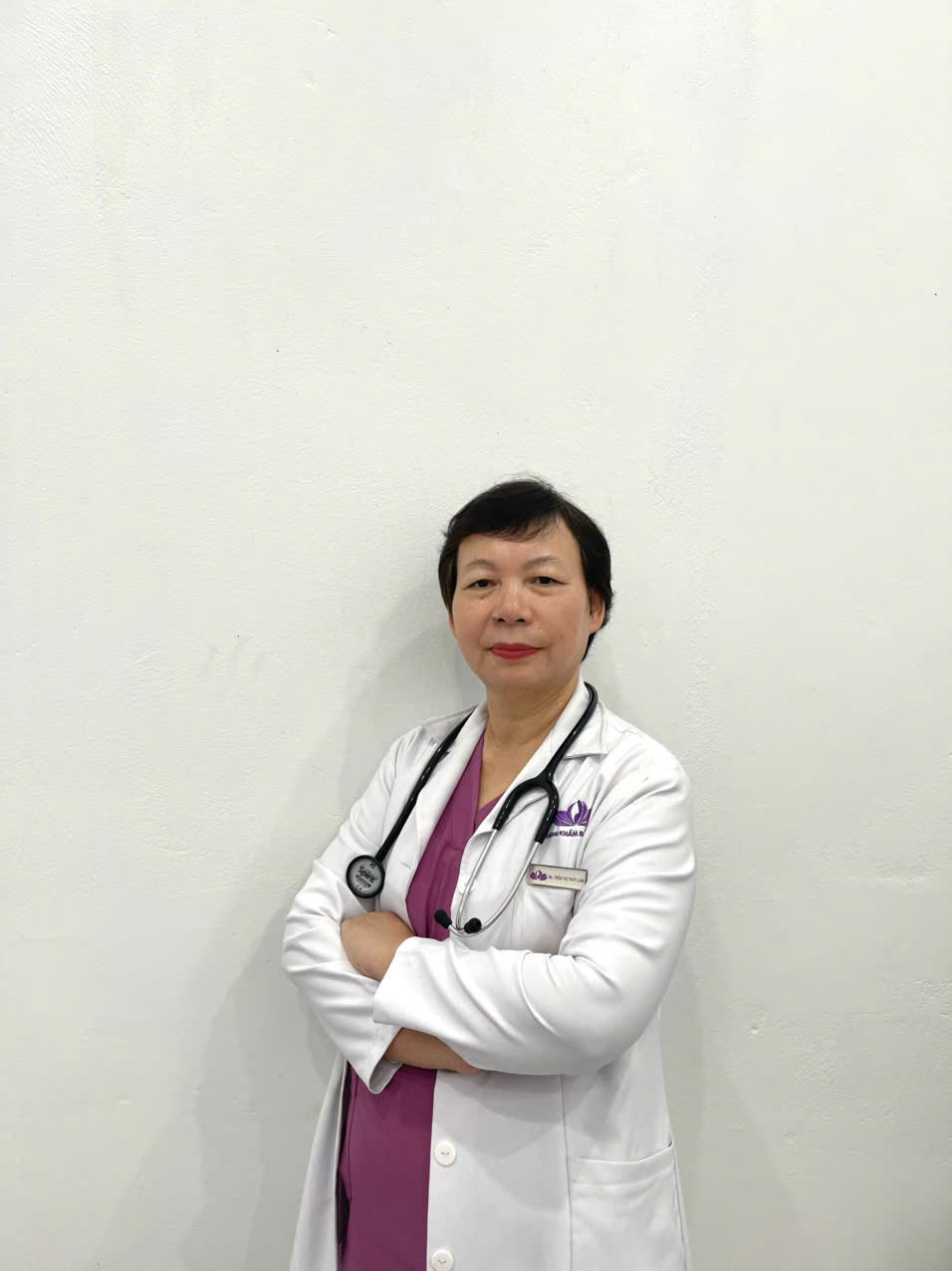
With over 30 years of experience managing high-risk pregnancies, BSCKI. Tran Thi Thuy Lam is committed to accompanying every expectant mother from pregnancy through healthy delivery. Dr. Lam formerly worked at major hospitals including the National Cancer Institute, Hanoi Medical University Hospital, Hanoi Andrology Hospital, and Medlatec Hospital — accumulating experience managing thousands of complex high-risk pregnancies.
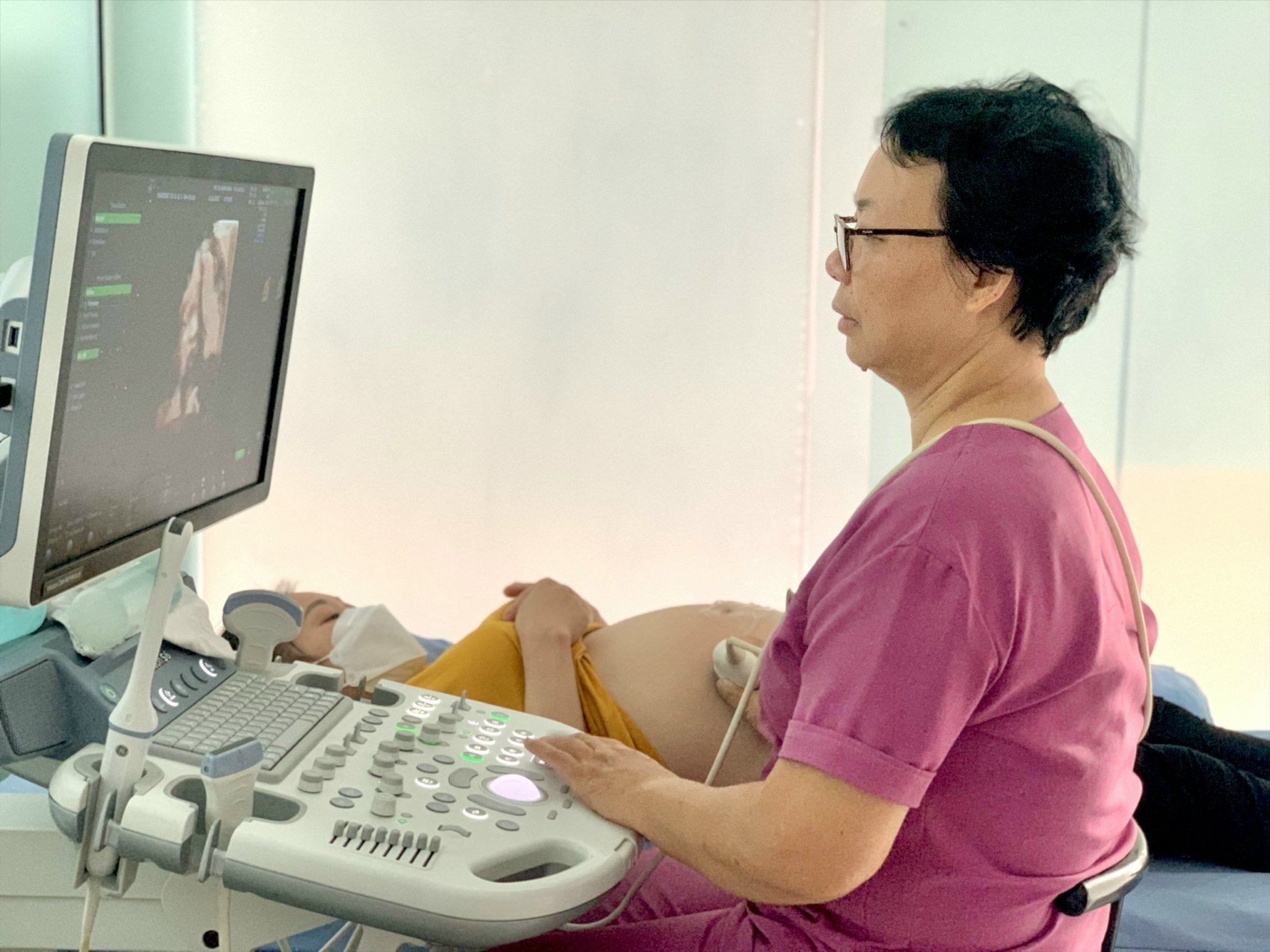
The clinic is equipped with a 4D ultrasound system, fetal heart monitoring equipment, and specialized tests, ensuring comprehensive monitoring for all pregnancies. Each patient receives a personalized pregnancy management plan tailored to their specific risk factors.
Book a High-Risk Prenatal Appointment
If you are in the high-risk pregnancy category or worried about your pregnancy, don’t hesitate to contact us for consultation and an appropriate management plan.
Phong Kham San Phu Khoa Bac Sy Lam
- Address: 125 Ham Nghi, Kim Tan, Lao Cai
- Phone: 0986 321 000
- Working hours: Monday – Saturday
Book now: 0986 321 000 — 125 Ham Nghi, Kim Tan, Lao Cai