What is a urinary tract infection?
A urinary tract infection (UTI) is an infection caused by bacteria in any part of the urinary system, including the kidneys, ureters, bladder, and urethra. In women, infections most commonly occur in the lower urinary tract (bladder and urethra), called cystitis.
This is one of the most common infections in women. Approximately 50-60% of women will experience at least one UTI in their lifetime, and 25-30% will have a recurrence within 6 months. Women have a 30 times higher risk than men.
Causes of urinary tract infections
Disease-causing bacteria
- Escherichia coli (E. coli): Accounts for 75-90% of cases, originating from the intestinal tract
- Staphylococcus saprophyticus: Second most common in young women
- Klebsiella, Proteus, Enterococcus: More common in complicated infections
- Drug-resistant bacteria: Increasingly common due to antibiotic misuse
Infection mechanism
Bacteria from the anal or vaginal area enter the urethra and travel upward to the bladder. Because the female urethra is short (about 4 cm) and close to the genital area, bacteria easily reach the bladder.
Risk factors in women
- Sexual activity: Frequent intercourse pushes bacteria into the urethra (“honeymoon cystitis”)
- Changed microbiome: Spermicide use, vaginal douching
- Pregnancy: Hormonal and anatomical changes facilitate infection
- Menopause: Decreased estrogen thins vaginal and urethral lining
- Family history: Genetic factors affecting epithelial structure
- Kidney stones: Obstruct urine flow
- Diabetes: Sugar in urine creates a favorable environment for bacteria
- Frequent urine holding: Urine stagnates in the bladder
Symptoms of urinary tract infection
Cystitis (lower tract infection)
This is the most common form with symptoms including:
- Painful urination: Burning sensation when urinating, especially at the end
- Urinary urgency: Intense need to urinate, unable to hold it
- Frequent urination: Urinating constantly but only small amounts each time
- Cloudy urine with unusual odor
- Blood in urine: Pink or red urine
- Lower abdominal pain or suprapubic pain
Pyelonephritis (upper tract infection)
When infection spreads to the kidneys, symptoms become much more severe:
- High fever 38.5-40 degrees Celsius, chills, rigors
- Flank pain on one or both sides, radiating to the abdomen
- Nausea, vomiting
- Cystitis symptoms may also be present
Pyelonephritis is a serious condition requiring immediate treatment to prevent sepsis.
Diagnosis
Urinalysis
- Complete urinalysis: Detects white blood cells, red blood cells, nitrites in urine
- Urine culture: Identifies the causative bacteria and antibiotic sensitivity, especially important for recurrent or complicated infections
Sampling notes
For accurate results, collect a midstream urine sample in the morning, clean the genital area before collection, and deliver the sample to the laboratory within 2 hours.
When is further testing needed?
Renal ultrasound or CT scan is indicated when:
- Recurrent infections (more than 3 per year)
- Suspected kidney stones or anatomical abnormalities
- Not responding to antibiotic treatment
- Severe pyelonephritis
Treating urinary tract infections
Uncomplicated cystitis
- Oral antibiotics: Nitrofurantoin for 5 days, Fosfomycin single dose, or Trimethoprim-sulfamethoxazole for 3 days (depending on local resistance patterns)
- Drink plenty of water: At least 2-3 liters/day
- Pain relief: Phenazopyridine helps quickly relieve burning symptoms
Pyelonephritis
- Mild cases: Oral antibiotics for 10-14 days (fluoroquinolone)
- Severe cases: Hospital admission, intravenous antibiotics, fluid therapy
- Close monitoring: Reassess after 48-72 hours of treatment
Recurrent infections
When experiencing 3 or more infections per year, the doctor may consider:
- Low-dose prophylactic antibiotics: Daily or post-intercourse
- Self-treatment antibiotics: Patient self-treats when symptoms appear (requires specific guidance)
- Vaginal estrogen: For postmenopausal women
- Probiotics: Supplementing Lactobacillus to balance the microbiome
UTIs during pregnancy
Pregnant women need to be screened for asymptomatic bacteriuria from the first prenatal visit. Pregnancy-safe antibiotics include:
- Amoxicillin or Amoxicillin-clavulanate
- First or second-generation cephalosporins
- Nitrofurantoin (avoid near delivery)
Absolutely avoid fluoroquinolones and tetracyclines during pregnancy.
Preventing urinary tract infections
Daily habits
- Drink adequate water: 1.5-2 liters/day, plain water is best
- Don’t hold urine: Urinate as soon as you feel the urge
- Wipe from front to back: Always wipe from the vulva toward the anus
- Proper intimate hygiene: Only wash externally, don’t douche
- Wear cotton underwear: Breathable, avoid overly tight pants
Sexual activity-related
- Urinate immediately after sexual intercourse
- Drink a glass of water before and after intercourse
- Avoid spermicides or vaginal diaphragms
- Maintain good hygiene before and after intercourse
Supplementary measures
- Cranberry: Capsules or juice, helps reduce recurrence
- Vaginal probiotics: Supplementing Lactobacillus helps maintain vaginal pH
- D-Mannose: A natural sugar that helps prevent E. coli from adhering to the bladder lining
- Vaginal estrogen: For postmenopausal women, helps restore mucosal lining
When should you see a doctor?
See a doctor immediately when:
- Burning and urgency symptoms last more than 2 days
- Fever and flank pain accompany urinary symptoms
- Blood in urine
- Symptoms recur after treatment
- UTI during pregnancy
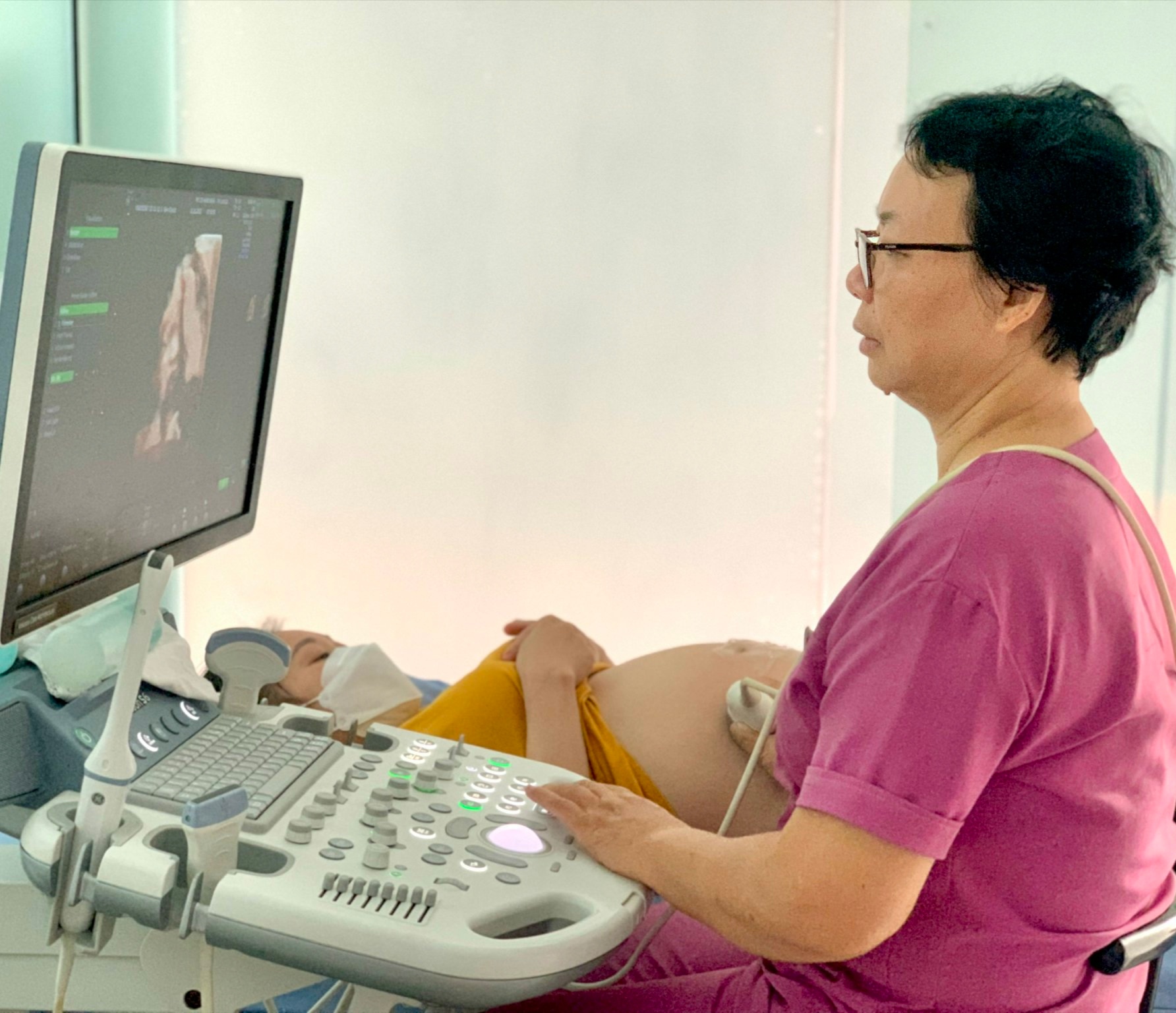
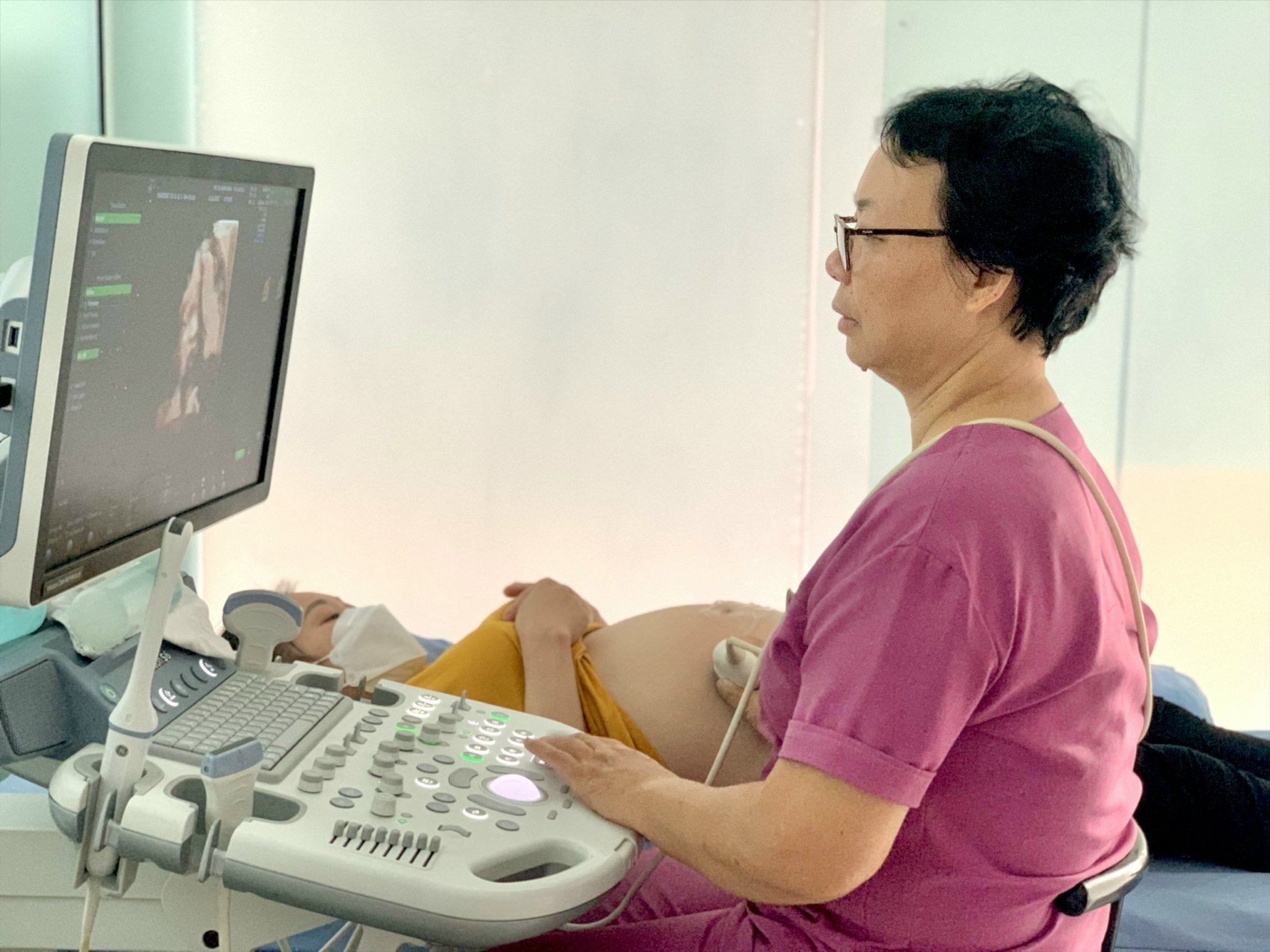
At Phong Kham Bac Sy Lam, BSCKI. Tran Thi Thuy Lam will examine, accurately diagnose the cause, and develop an appropriate treatment plan, with special attention to preventing recurrence in patients with repeated UTIs.
Advice from the doctor
With over 30 years of experience treating gynecological and urinary conditions in women, BSCKI. Tran Thi Thuy Lam emphasizes that UTIs, while common, are entirely preventable and treatable when detected early.
The most important thing is not to self-purchase antibiotics when symptoms appear. Using the wrong type or insufficient dose is the leading cause of antibiotic-resistant bacteria, making subsequent infections increasingly difficult to treat. Instead, visit a medical facility for urinalysis, precise identification of the causative bacteria, and appropriate antibiotic prescription.
For women who experience frequent recurrences, beyond following daily preventive measures, establish a routine of checkups every 3-6 months to detect asymptomatic bacteriuria early. In particular, pregnant women need screening from the first prenatal visit because UTIs during pregnancy can cause serious complications for both mother and baby.
Some practical tips to help reduce recurrence that you can apply immediately:
- Set hourly water-drinking reminders during the workday
- Always carry a personal water bottle when going out
- Don’t hold urine for more than 3-4 hours, even when busy
- Choose breathable cotton underwear, change at least once daily
- Supplement with yogurt or probiotics daily to balance the microbiome
Related articles
- Proper intimate care — hygiene guide for infection prevention
- Vaginitis: causes and treatment — distinguishing and managing gynecological infections
- Signs you need a gynecological exam — recognizing when to seek care
See more: Gynecological treatment services | Gynecological cancer screening
Phong Kham San Phu Khoa Bac Sy Lam — Address: 125 Ham Nghi, Kim Tan, Lao Cai
Book now: 0986 321 000 — Dedicated care, effective treatment, confidential service.