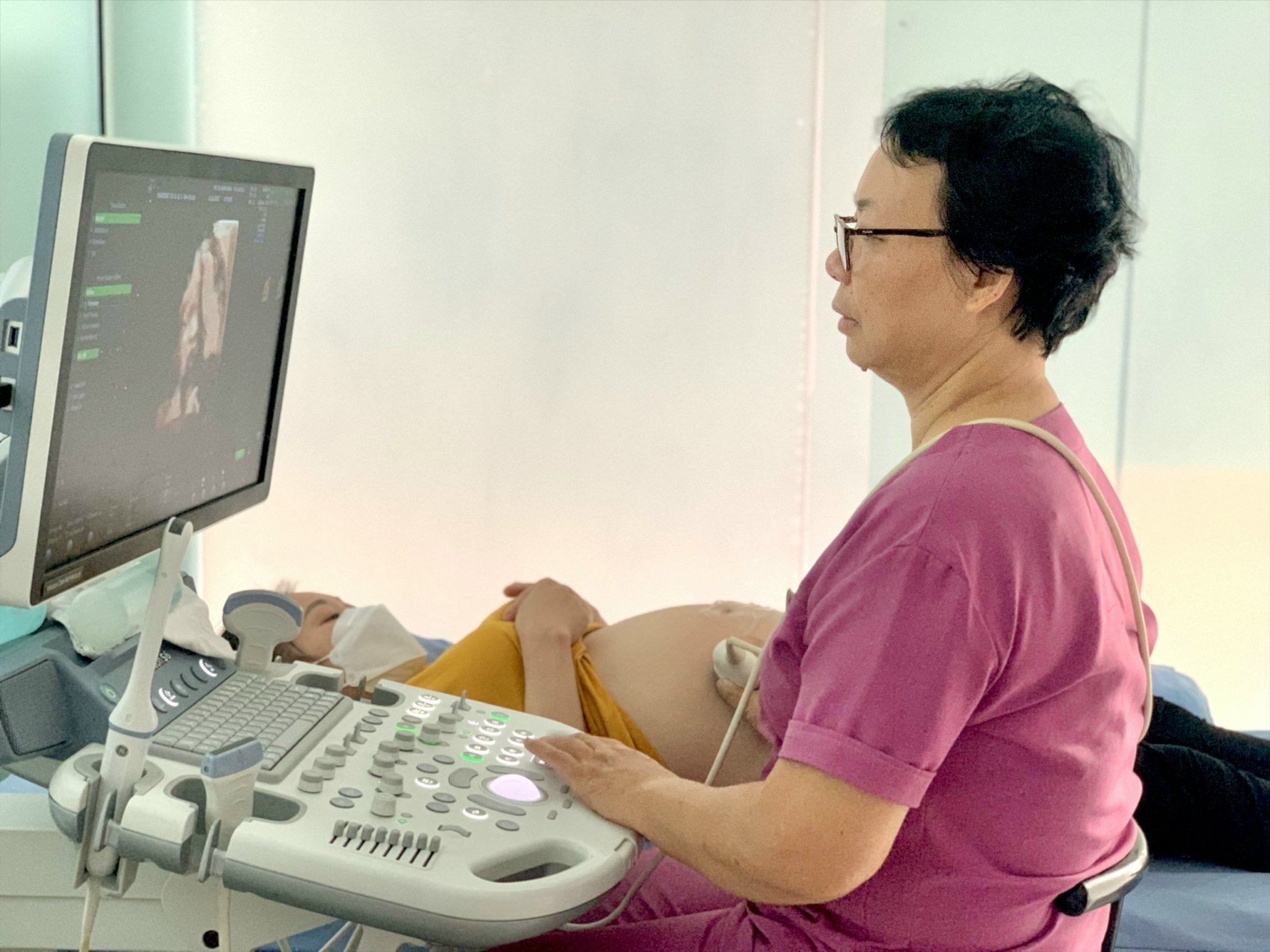
Age 30: A Critical Milestone in Women’s Health
Entering your 30s, a woman’s body begins undergoing important changes: fertility starts declining gradually, the risk of certain conditions increases, and hormones begin shifting. This is the golden time to proactively check your health, detect potential issues early, and build a foundation for long-term wellness.
Many women are busy with work, family, and forget to take care of themselves. This article compiles the most important tests and screenings that women in their 30s should pursue.
1. Cervical Cancer Screening
Pap smear
This is the most important test for women from age 21. A Pap smear detects abnormal cervical cells early, before they develop into cancer.
Recommended screening schedule:
- Ages 21-29: Pap smear every 3 years
- Ages 30-65: Pap smear + HPV test every 5 years (preferred), or Pap smear alone every 3 years
HPV test
HPV (Human Papillomavirus) causes over 99% of cervical cancers. The HPV test combined with Pap smear provides very high accuracy for early risk detection.
Note: If you haven’t been vaccinated, HPV vaccination is available for women up to age 45.
2. Breast Health Check
Monthly self-examination
Every woman should know how to self-examine her breasts monthly on days 7-10 after menstruation (when breasts are softest):
- Observe in a mirror: Shape, size, skin color, nipple changes
- Systematic palpation: Detect lumps, axillary lymph nodes
- Note abnormal signs: Peau d’orange skin, nipple retraction, abnormal discharge
Breast ultrasound
Should be performed annually from age 30. Ultrasound is especially suitable for young women with dense breast tissue, helping detect:
- Breast cysts
- Solid masses
- Fibrocystic changes
- Abnormalities requiring further monitoring
Mammography
Usually starts at age 40, though women at high risk by age 30 may need earlier screening:
- Mother or sister with breast cancer
- BRCA1/BRCA2 gene mutations
- History of chest radiation therapy
3. Hormone Tests
Thyroid hormones (TSH, FT4)
Thyroid disorders are very common in women (5-8 times more than men), especially from age 30:
- Hypothyroidism: Fatigue, weight gain, constipation, hair loss, irregular periods, difficulty conceiving
- Hyperthyroidism: Weight loss, palpitations, tremor, light or absent periods
A simple TSH test, low in cost, can detect many issues early.
Reproductive hormones (FSH, LH, Estradiol)
Should be tested if you experience:
- Irregular periods
- Difficulty conceiving
- Signs of early menopause (hot flashes, vaginal dryness)
AMH (Anti-Mullerian Hormone) — Ovarian reserve
The AMH test evaluates the number of eggs remaining in the ovaries. Especially important for women who:
- Don’t plan to have children for several years
- Want to freeze their eggs
- Have a history of ovarian surgery
- Are undergoing infertility treatment
AMH results help women make informed decisions about family planning.
4. General Blood Tests
Complete blood count (CBC)
Detects anemia — very common in women (especially those with heavy periods), infections, and blood disorders.
Fasting blood glucose and HbA1c
Screens for type 2 diabetes — increasingly common in younger people. Especially important if:
- Overweight or obese
- Family history of diabetes
- History of gestational diabetes
- Polycystic ovary syndrome
Lipid profile (Total cholesterol, HDL, LDL, Triglycerides)
Heart disease is the leading cause of death in women (more than breast cancer). Checking lipids from age 30 helps detect dyslipidemia early.
Liver and kidney function
AST, ALT, creatinine, urea tests evaluate liver and kidney function — especially important if taking long-term medications or consuming alcohol.
5. Bone Health Check
Vitamin D
Vitamin D deficiency is very common, especially in women. Vitamin D is important for:
- Bone health
- Immune system
- Fertility
- Depression prevention
Blood calcium
Combined with vitamin D to assess bone health and prevent early osteoporosis.
6. Routine Gynecological Exam
Beyond the above tests, routine gynecological exams every 6-12 months include:
Uterine-ovarian ultrasound
Detects early:
- Uterine fibroids
- Ovarian cysts
- Uterine polyps
- Structural uterine abnormalities
Vaginal discharge testing
Detects gynecological infections (yeast, bacteria, Trichomonas, Chlamydia, gonorrhea).
Clinical examination
Doctor evaluates overall: cervix, uterus, ovaries, detecting abnormalities early.
7. Additional Tests Worth Considering
Sexually transmitted infection (STI) tests
- HIV, Hepatitis B, Hepatitis C
- Syphilis (RPR/VDRL)
- Chlamydia, gonorrhea
Mental health screening
Depression and anxiety affect 1 in 5 women in their 30s. Screening with the simple PHQ-9 questionnaire is effective.
Eye examination
Routine eye exams every 1-2 years, especially if you work extensively with computers.
Summary Screening Schedule
| Test | Frequency | Notes |
|---|---|---|
| Pap smear + HPV | Every 3-5 years | Starting from age 21 |
| Breast ultrasound | Annually | From age 30 |
| Gynecological ultrasound | Every 6-12 months | Combined with gynecological exam |
| General blood tests | Annually | CBC, blood glucose, lipids |
| TSH (thyroid) | Every 1-2 years | Especially if symptomatic |
| AMH (ovarian reserve) | Once at age 30 | If haven’t had children |
| Vitamin D | Annually | Deficiency very common |
| STI tests | When risk factors present | HIV, Hepatitis B |
Advice From the Doctor
Dr. Lam shares: “Age 30 is when women are typically busiest — career, family, children — but it’s also when investing in your own health matters most. Don’t wait until you’re sick to see a doctor. One routine health checkup can detect many issues early when they’re still easily treatable. I especially encourage women in Lao Cai to dedicate 1 day each year to their health.”
Be proactive about your health checks — because you deserve to be healthy.
Common Mistakes Women in Their 30s Make
“I’m still young, I don’t need checkups”
Many women in their 30s think they’re still young and don’t need health screenings. This is a dangerous mistake. Cervical cancer, uterine fibroids, ovarian cysts, and many gynecological conditions often begin appearing at this age with no clear symptoms. By the time symptoms appear, the disease is usually advanced.
Ignoring “minor” symptoms
Signs like abnormal discharge, prolonged menstrual pain, irregular periods, or intermenstrual bleeding are often dismissed as “normal.” In reality, these can be early signs of infection, polyps, or even cancer.
Not getting HPV vaccine because “I’m too old”
HPV vaccine can be given to women up to age 45. If you haven’t been vaccinated, age 30 is still a great time to get the HPV vaccine.
Delaying childbearing plans
Ovarian reserve (AMH) begins declining rapidly after 30. If you plan to have children but aren’t ready yet, check your AMH to know your egg reserve status and plan accordingly. Early infertility consultation gives you more options.
When to See a Doctor Immediately
Women in their 30s should see a doctor right away if they notice:
- Abnormal vaginal bleeding — between periods, after intercourse, or after menopause
- Persistent pelvic pain — unrelated to menstruation, progressively worsening
- Breast lump — hard mass, skin changes, nipple discharge
- Unexplained weight loss — losing 5+ kg in 1-2 months without dieting
- Sudden menstrual changes — heavier than normal, lasting over 7 days
- Signs of early menopause — hot flashes, loss of periods before age 40
At Phong Kham Bac Sy Lam, with over 30 years of experience, BSCKI. Tran Thi Thuy Lam has examined and detected many conditions early in young women. The clinic is equipped with modern 2D/4D ultrasound, coordinates with the National Cancer Institute for cervical cancer screening, and with Medlatec Hospital for specialized tests.
Health Screening Costs for Women in Their 30s
A gynecological health checkup in Lao Cai ranges from 300,000 VND to 1,500,000 VND depending on the test package:
| Service | Estimated cost |
|---|---|
| Gynecological exam + ultrasound | 200,000 - 400,000 VND |
| Pap smear | 200,000 - 350,000 VND |
| HPV test | 500,000 - 800,000 VND |
| Comprehensive blood tests | 300,000 - 500,000 VND |
| Breast ultrasound | 200,000 - 350,000 VND |
| AMH test | 500,000 - 700,000 VND |
Costs are for reference; please contact the clinic for specific pricing.
Compared to the cost of treating disease (tens to hundreds of millions of VND for cancer treatment, infertility), investing 1-2 million VND annually in comprehensive health checkups is the most worthwhile investment you can make in yourself.
Related Articles
- Cervical cancer screening: Why every woman needs it
- Signs of perimenopause and self-care
- Comprehensive women’s health checkups
- HPV vaccine in Lao Cai
Book your women’s health checkup at Phong Kham Bac Sy Lam:
Call 0986 321 000 or visit 125 Ham Nghi Street, Kim Tan, Lao Cai City. The clinic is open every day, from 7:00 to 19:00.
Article compiled by BSCKI. Tran Thi Thuy Lam — Specialist Level I in Obstetrics & Gynecology, member of the Vietnam Obstetrics & Gynecology Association and Vietnam Ultrasound Association. Last updated: March 2026.