What Does a Normal Period Look Like?
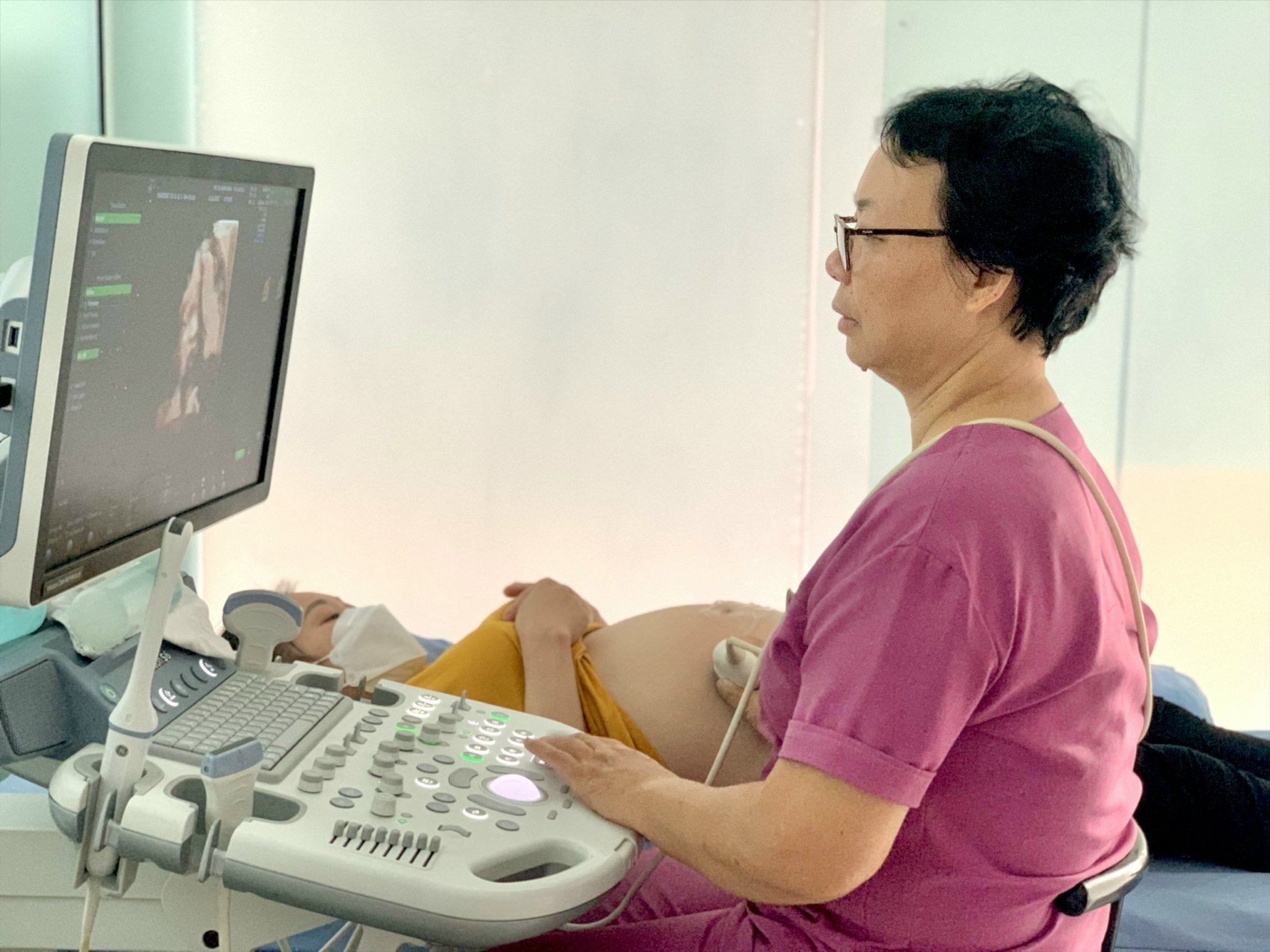
Menstrual disorders are one of the most common reasons women visit a gynecologist. With over 30 years of OB-GYN experience, BSCKI. Tran Thi Thuy Lam — formerly at Hanoi Medical University Hospital and Medlatec Hospital — shares detailed guidance to help you recognize when your period is abnormal and when to seek care.
Before discussing disorders, it’s important to understand what a normal period looks like:
| Parameter | Normal | Abnormal |
|---|---|---|
| Cycle length | 21-35 days | Under 21 or over 35 days |
| Duration of bleeding | 3-7 days | Over 7 days or under 2 days |
| Blood volume | 30-80 ml (3-6 pads/day) | Changing pads every 1-2 hours, or only spotting |
| Cramping | Mild, relieved by medication | Severe, not relieved by medication |
| Blood color | Bright red to dark red | Prolonged dark brown/black, abnormally bright red |
| Blood clots | Small, infrequent | Larger than a coin, frequent |
Note: Every woman has her own menstrual pattern. What’s important is tracking changes from your own normal, not just comparing with others.
Common Types of Menstrual Disorders
1. Cycle Disorders
- Oligomenorrhea: Cycle over 35 days. Most common cause is polycystic ovary syndrome (PCOS), stress, sudden weight changes, excessive exercise
- Polymenorrhea: Cycle under 21 days. May be due to hormonal imbalance, uterine fibroids, endometrial polyps, or short luteal phase
- Amenorrhea: No period for over 3 consecutive months (not pregnant). Classified as primary (never had a period by age 16) and secondary (had periods then stopped). Requires immediate evaluation
- Irregular periods: Unpredictable cycle length — common in PCOS and thyroid disorders
2. Volume Disorders
- Menorrhagia: Excessive menstrual bleeding, needing to change pads every 1-2 hours, large clots bigger than a coin. Common causes: uterine fibroids, endometrial polyps, coagulation disorders, copper IUD
- Hypomenorrhea: Very light bleeding, only spotting for 1-2 days. May be due to thin endometrium (from multiple curettages), oral contraceptive use, or premature ovarian insufficiency
- Metrorrhagia: Bleeding between periods. Need to rule out cervical polyps, endometrial polyps, cervicitis, or malignant lesions
3. Associated Symptom Disorders
- Dysmenorrhea: Severe menstrual cramps affecting daily activities, school, or work. Primary dysmenorrhea (not disease-related) is common in young women. Secondary dysmenorrhea (from endometriosis, fibroids, cervical stenosis) requires diagnosis
- Premenstrual syndrome (PMS): Headaches, fatigue, irritability, bloating, breast tenderness 7-10 days before menstruation. Affects 30-40% of women. Learn more about premenstrual syndrome
Causes of Menstrual Disorders — Detailed Analysis
Common causes (most frequent)
1. Stress and psychological tension Stress is the leading cause of menstrual disorders in young women. Under stress, the hypothalamus is affected, reducing GnRH secretion, disrupting FSH/LH, disrupting ovulation, and causing irregular periods. Learn more about stress and menstruation.
2. Sudden weight changes
- Rapid weight loss (extreme dieting, eating disorders): Nutritional deficiency causes the body to “shut down” reproductive function, leading to amenorrhea
- Obesity: Increased fat tissue produces more estrogen, disrupting hormonal balance, causing irregular or heavy periods
3. Polycystic ovary syndrome (PCOS) PCOS affects 1 in 10 women of reproductive age. Characteristic symptoms: infrequent or absent periods, acne, excess hair growth, difficulty conceiving. Ultrasound shows multiple small follicles (“string of pearls” ovaries).
4. Thyroid disorders
- Hypothyroidism: Heavier, longer periods, shorter cycles
- Hyperthyroidism: Lighter, less frequent, or absent periods
- A simple TSH test can detect these — recommended when menstrual disorders are accompanied by fatigue, weight changes, or hair loss
5. Medication side effects
- Oral contraceptives: Commonly cause abnormal bleeding in the first 2-3 months of use
- Antidepressants, antiepileptics, corticosteroids
- Emergency contraception: Disrupts periods for 1-2 months
Causes requiring attention (pathological)
- Uterine fibroids: Cause heavy, prolonged periods and lower abdominal pain. 30-40% of women over 35 have fibroids
- Uterine/cervical polyps: Intermenstrual bleeding, post-coital bleeding
- Endometriosis: Progressively worsening severe cramps, pain during intercourse, infertility
- Cervical/endometrial cancer: Abnormal bleeding, especially after menopause. Rare in young women but needs to be ruled out
- Coagulation disorders: Von Willebrand disease, thrombocytopenia — abnormally heavy periods since puberty
- Premature ovarian insufficiency: Loss of periods before 40 with menopause-like symptoms (hot flashes, vaginal dryness)
8 Signs You Need to See a Doctor Immediately
- No period for over 3 months (not pregnant) — needs hormone testing, ultrasound
- Excessively heavy periods — changing pads every 1-2 hours, large clots — risk of severe anemia
- Periods lasting over 7 days — needs ultrasound to rule out fibroids, polyps
- Intermenstrual or post-coital bleeding — needs cervical cancer screening
- Severe menstrual cramps — not relieved by ibuprofen/paracetamol
- Cycle consistently under 21 or over 35 days for more than 3 months
- Postmenopausal bleeding — any amount requires examination
- Infertility with irregular periods — suspect PCOS, ovulation disorders
Detailed Diagnostic Process
When visiting the gynecologist, the doctor will perform:
- Detailed medical history: Menstrual history (age of first period, average cycle, days of bleeding, blood volume), obstetric/gynecological history (pregnancies, births, terminations), current medications, family history
- Clinical examination: Gynecological exam, cervical assessment, uterine size evaluation
- Gynecological ultrasound: Evaluate uterus (fibroids, polyps, endometrial thickness), ovaries (cysts, PCOS, masses)
- Blood tests:
- Hormones: FSH, LH, estradiol, progesterone, testosterone, DHEA-S
- Prolactin (elevated levels cause amenorrhea)
- TSH, FT4 (thyroid function)
- CBC (anemia assessment)
- Beta-hCG (rule out pregnancy)
- Additional tests (if needed): Endometrial biopsy, hysteroscopy, pelvic MRI, coagulation tests
Treatment by Cause
Depending on the specific cause, the doctor will prescribe appropriate treatment:
Lifestyle modification (first step)
- Reduce stress: Yoga, meditation, breathing exercises, adequate sleep, time management
- Appropriate exercise: 30 minutes/day, 5 days/week. Avoid overexertion
- Healthy weight: Losing 5-10% of body weight in overweight women can restore normal periods
- Balanced nutrition: Adequate iron, vitamin D, zinc. Limit refined sugar (especially with PCOS)
Medical treatment
- Hormonal medications: Progesterone (regulate periods), combined oral contraceptives (regulate cycles, reduce cramps, reduce flow)
- Pain relievers: NSAIDs (ibuprofen, naproxen) both relieve pain and reduce menstrual blood volume by 20-30%
- Tranexamic acid: Hemostatic agent, reduces menstrual volume by 40-50%
- Iron supplementation: If anemic from heavy periods (low ferritin)
- PCOS treatment: Metformin (improve insulin resistance), clomiphene (stimulate ovulation when trying to conceive)
- Thyroid medication: Levothyroxine (hypothyroidism), antithyroid drugs (hyperthyroidism)
Surgical treatment (when necessary)
- Polyp cauterization of cervix/endometrium
- Fibroid removal (uterus-preserving)
- Endometrial ablation — for women who have completed childbearing with excessively heavy periods
- Laparoscopic surgery for endometriosis, ovarian cysts
When Are Irregular Periods Normal?
Certain phases of irregular periods are physiologically normal and shouldn’t cause excessive worry:
- First 2-3 years after menarche (puberty): The hypothalamic-pituitary-ovarian axis is not yet mature and needs time to regulate
- Postpartum: Periods may be absent for 6-12 months with exclusive breastfeeding. Returning periods may be irregular for the first few months
- Perimenopause (ages 45-55): Periods gradually become less frequent, volume changes, and eventually stop. See signs of perimenopause
- After stopping contraceptives: Periods may be irregular for 1-3 months as the body readjusts
However, if irregular periods persist beyond 3 months during any phase, you should still get checked to rule out pathological causes.
Tracking Your Period at Home
Effective menstrual tracking tips that help doctors diagnose more accurately:
- Record your cycle: Start date, end date of each period (use apps like Flo, Clue, or a notebook)
- Assess blood volume: Number of pads per day, presence of clots, clot size
- Note symptoms: Cramping (severity 1-10), headaches, nausea, mood changes
- Bring your tracking record to appointments — helps the doctor evaluate comprehensively
Advice From a Specialist
“Menstrual disorders are not just a daily inconvenience — they are warning signs of important gynecological conditions. I always tell patients: if your period has been abnormal for more than 3 months, get checked. Early detection of PCOS, fibroids, or thyroid disorders makes treatment much simpler and more effective.”
— BSCKI. Tran Thi Thuy Lam, 30+ years of OB-GYN experience
Menstrual Disorder Care at Phong Kham San Phu Khoa Bac Sy Lam
Phong Kham Bac Sy Lam is a trusted gynecological treatment facility in Lao Cai with complete diagnostic equipment for menstrual disorders:
- BSCKI. Tran Thi Thuy Lam — 30+ years of experience, formerly at Hanoi Medical University Hospital, Medlatec Hospital
- Modern gynecological ultrasound — detects fibroids, polyps, ovarian cysts, PCOS
- Hormone testing in coordination with Medlatec Hospital — FSH, LH, estradiol, progesterone, testosterone, TSH, prolactin
- Colposcopy — early detection of cervical lesions
- Detailed counseling — clear explanation of causes and treatment plans
Book an Appointment
Call 0986 321 000 to book your menstrual disorder evaluation.
Address: 125 Ham Nghi, Kim Tan, Lao Cai — Open 7 days/week, 7:00 - 19:00
Your menstrual cycle is a “mirror” reflecting your reproductive health. Don’t ignore abnormal periods — get checked for peace of mind and to protect your health!