Vaginal Birth and C-Section: Understanding the Facts to Make the Right Choice
Deciding between vaginal birth and a C-section is one of the most important questions expectant mothers face. In Vietnam, the C-section rate is at an alarmingly high level — approximately 35-40% of all deliveries, while the WHO recommends an ideal rate of only 10-15%.
This article will help expectant mothers understand the pros and cons of each method, enabling them to make informed decisions together with their doctor.
Vaginal Birth (Vaginal Delivery)
Advantages
For the mother:
- Faster recovery: Mother can walk and eat normally within hours after birth
- Fewer complications: Lower risk of infection, blood loss, and blood clots
- Shorter hospital stay: Usually discharged after 1-2 days
- Early breastfeeding: Skin-to-skin contact and breastfeeding immediately after birth
- No surgical scar: No worries about scarring or intestinal adhesions
- Easier future pregnancies: No limit on the number of births
- Lower cost
For the baby:
- Healthier lungs: Passing through the birth canal compresses the baby’s lungs, pushing out fluid and stimulating natural breathing
- Better gut microbiome: Baby is exposed to beneficial bacteria from the mother’s birth canal
- Stronger immune system: Reduced risk of asthma, allergies, and type 1 diabetes
- Mother-baby bonding: Immediate skin-to-skin contact after birth
Disadvantages
- Pain during labor: Labor can be prolonged and painful (can be managed with epidural anesthesia)
- Perineal tearing: May require an episiotomy or experience perineal tears
- Unpredictable timing: Cannot know exactly when labor will begin
- Risk of complications during birth: Shoulder dystocia, acute fetal distress (rare)
- Pelvic floor impact: May cause pelvic floor weakness, organ prolapse, or urinary incontinence later on
C-Section (Cesarean Delivery)
Advantages
- Scheduled timing: Know the birth date in advance (for planned C-sections)
- No pain during delivery: Spinal anesthesia or general anesthesia
- Quick procedure: Surgery typically takes only 30-45 minutes
- Safe in emergencies: Can save the lives of mother and baby when vaginal birth is not possible
- No pelvic floor impact: Reduced risk of organ prolapse and urinary incontinence
Disadvantages
For the mother:
- Slower recovery: 4-6 weeks, prolonged incision pain
- Longer hospital stay: 3-5 days
- Risk of surgical complications: Wound infection, blood loss, bladder or bowel injury
- Deep vein thrombosis: Higher risk due to prolonged bed rest
- Intestinal adhesions: A late complication causing chronic abdominal pain
- Limited number of births: Generally recommended not to exceed 3-4 C-sections
- Uterine scar: Risk of uterine rupture and placenta accreta in future pregnancies
- Higher cost
For the baby:
- Respiratory distress syndrome: C-section babies miss the natural lung-squeezing process
- Less diverse microbiome: No exposure to beneficial bacteria from the birth canal
- Increased risk of allergies and asthma later in life
- Delayed breastfeeding: Due to the mother needing post-surgical recovery
Indications for C-Section
C-sections are indicated when vaginal birth poses high risk to the mother or baby:
Absolute indications (mandatory C-section)
- Complete or partial placenta previa
- Transverse or brow presentation
- Cephalopelvic disproportion
- Acute fetal distress during labor
- Umbilical cord prolapse
- Uterine rupture
- Two or more previous C-sections (classical incision)
Relative indications (C-section may be considered)
- Breech presentation (especially for first-time mothers)
- Estimated fetal weight over 4,000g
- Multiple pregnancy
- Maternal conditions: severe preeclampsia, heart disease, HIV
- Prolonged labor with no progress
- History of cervical laceration or uterine surgery
- One previous C-section (may attempt vaginal birth — VBAC)
Overview Comparison
| Criteria | Vaginal Birth | C-Section |
|---|---|---|
| Recovery time | 1-2 weeks | 4-6 weeks |
| Hospital stay | 1-2 days | 3-5 days |
| Breastfeeding | Immediately after birth | Delayed |
| Pain | Labor pain | Incision pain |
| Scarring | None/minimal | Abdominal scar |
| Complications | Fewer | More |
| Baby’s lungs | Better | Risk of respiratory distress |
| Future births | No restrictions | Need 2-year interval |
Epidural for Pain-Free Vaginal Birth
Today, epidural anesthesia allows mothers to have a vaginal birth with virtually no pain. This is a major advancement that helps many expectant mothers choose vaginal delivery without worrying about labor pain.
Additionally, non-pharmacological pain relief methods are also used: breathing techniques during labor, massage, warm water immersion, and birth balls.
Preparing for Birth — Whether Vaginal or C-Section
Regardless of the chosen method, expectant mothers should prepare thoroughly in the final weeks of pregnancy:
Preparing for vaginal birth
- Practice breathing techniques: Learn breathing methods that help reduce pain and control uterine contractions. See Exercising During Pregnancy for exercises to prepare for birth
- Kegel exercises: Strengthen pelvic floor muscles to support pushing during delivery and postpartum recovery
- Perineal massage: From weeks 34-36, gentle perineal massage helps soften tissues and reduce the risk of perineal tearing
- Adequate nutrition: Third trimester diet should include sufficient protein, iron, and calcium to give mothers stamina for labor
- Mental relaxation: Excessive worry can negatively affect the labor process
Preparing for C-section
- Fasting before surgery: Typically fast for 6-8 hours before surgery as directed by the doctor
- Personal hygiene: Bathe thoroughly the evening before or morning of surgery
- Remove jewelry: Remove all rings, bracelets, and earrings before entering the operating room
- Prepare post-surgical items: Loose clothing, sanitary pads, baby supplies
- Family support: A family member should be available to help for at least 2 weeks after surgery
Postpartum Care
After vaginal birth
The mother can walk gently after 6-12 hours and breastfeed the baby within the first hour. Any perineal stitches should be kept clean with warm water and gently dried. Most mothers are discharged after 24-48 hours if there are no complications.
After C-section
The mother needs to rest and be monitored at the hospital for 3-5 days. The incision should be kept clean and dry. The mother can breastfeed once alert after anesthesia, usually after 2-4 hours. Full recovery takes 4-6 weeks. Avoid lifting heavy objects or vigorous activity for the first 6 weeks.
When to See a Doctor
Expectant mothers should visit for a prenatal check-up to be evaluated and receive delivery method counseling when:
- Pregnancy has reached 36 weeks or more and you want delivery planning advice
- You have a history of C-section and want to discuss the possibility of vaginal birth (VBAC)
- An abnormal fetal presentation is detected (breech, transverse)
- You have underlying conditions such as preeclampsia, gestational diabetes, or heart disease
- You are excessively anxious about labor pain and want to learn about pain relief options
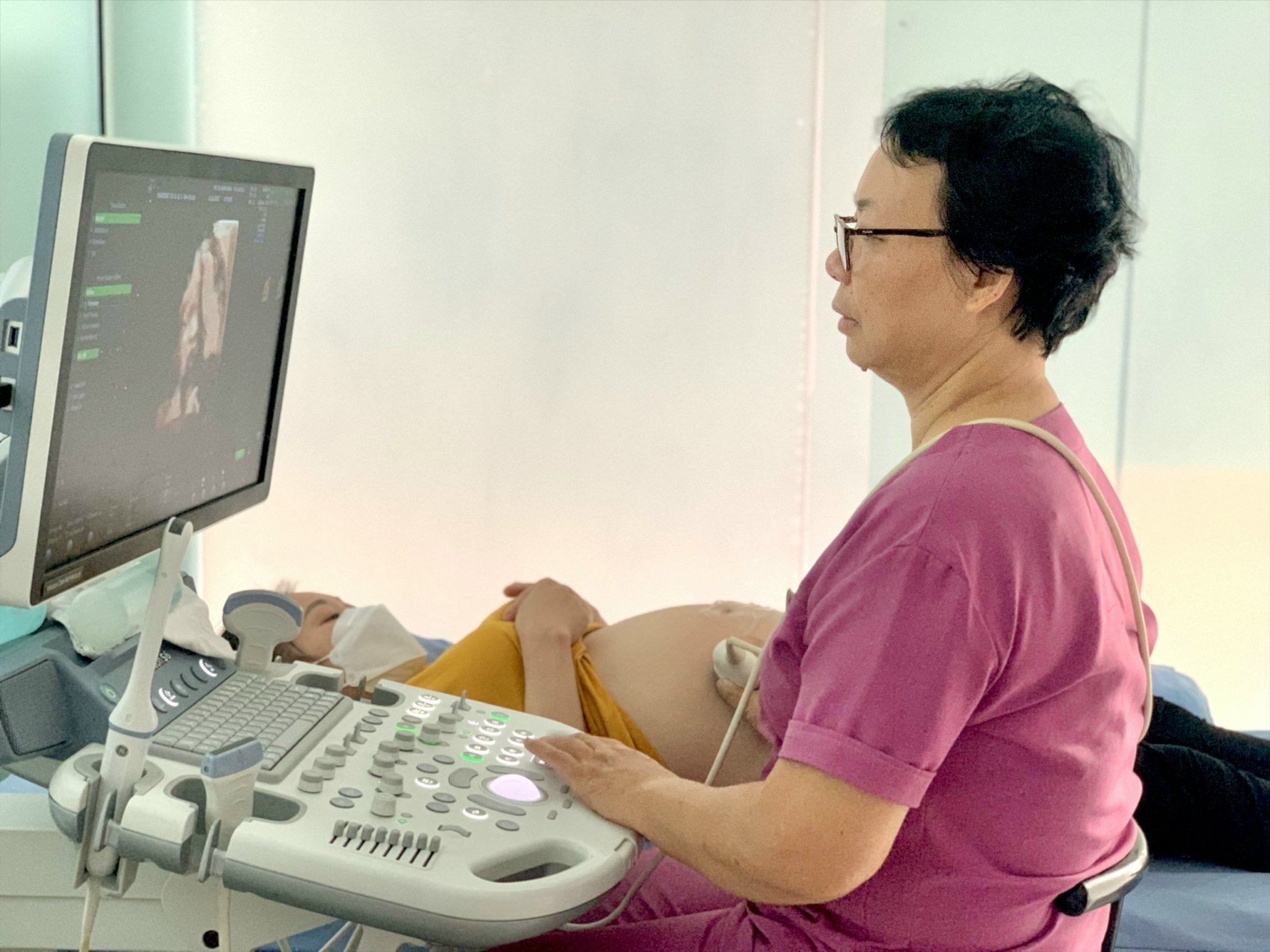
An obstetric ultrasound in the final weeks helps the doctor evaluate fetal presentation, estimated weight, amniotic fluid volume, and placental position to make the most appropriate decision.
Doctor’s Advice
With over 30 years of experience in obstetric delivery and surgery, BSCKI. Trần Thị Thúy Lâm emphasizes: “Vaginal birth is always the preferred choice when conditions allow. However, when there is a medical indication, a C-section is a life-saving method that cannot be replaced. The most important thing is for expectant mothers to trust their doctor, discuss their wishes and concerns openly. Don’t choose a C-section out of fear of pain when it’s unnecessary, and don’t insist on vaginal birth at all costs when a C-section is indicated.”
At Phòng Khám Bác Sỹ Lâm, each expectant mother receives a comprehensive evaluation, personalized counseling, and support throughout the delivery process. We are committed to putting the safety of mother and baby first in every decision.
Related Articles
- Third Trimester Nutrition Guide — Good nutrition helps mothers prepare for delivery
- Exercising During Pregnancy — Exercises to prepare for vaginal birth
- Preeclampsia: Warning Signs — A complication that may affect delivery method decisions
Book an Appointment
Contact us now for advice on the most suitable delivery method:
- Hotline: 0986 321 000
- Address: 125 Hàm Nghi, Kim Tân, Lào Cai
- Services: Prenatal Check-ups | Obstetric Ultrasound