The Connection Between Stress and Menstruation
Menstruation is a complex physiological process regulated by the hormonal axis: hypothalamus — pituitary gland — ovaries. Any factor affecting this hormonal axis can cause menstrual disorders, and stress is one of the most common factors.
According to statistics, approximately 40-50% of women have experienced at least one episode of stress-related menstrual irregularity in their lifetime. At Phòng Khám Bác Sỹ Lâm, many women come in for irregular periods where the primary cause stems from work, family, and life pressures.
How Stress Affects Menstruation
The HPA Axis — The Body’s “Alarm System”
When you are stressed, your body activates the HPA axis (Hypothalamic-Pituitary-Adrenal), releasing the hormone cortisol — also known as the “stress hormone.”
Cortisol Suppresses the Reproductive Axis
Elevated cortisol directly affects the reproductive axis through several mechanisms:
GnRH suppression: Cortisol suppresses the hypothalamus, reducing GnRH (gonadotropin-releasing hormone) secretion, which is the initiating signal for the entire menstrual cycle.
Reduced FSH and LH: When GnRH decreases, the pituitary gland reduces FSH (follicle-stimulating hormone) and LH (luteinizing hormone) secretion, preventing follicle development or ovulation.
Reduced estrogen and progesterone: The ovaries do not function normally, resulting in low estrogen and progesterone levels, disrupting the endometrial cycle.
Increased prolactin: Stress also raises prolactin levels, which further suppresses ovulation.
In simple terms, when the body is in a “fight or flight” state due to stress, it temporarily pauses non-essential functions — including reproductive function.
Symptoms of Stress-Related Menstrual Disorders
Delayed or absent periods
This is the most common manifestation. Stress can delay your period by days to weeks. Severe, prolonged stress can cause amenorrhea (complete absence of menstruation for 3 months or more). This condition is called Functional Hypothalamic Amenorrhea (FHA).
Irregular periods
Menstrual cycles become unpredictable: sometimes shorter, sometimes longer, making it impossible to predict when your period will arrive. Normally, a cycle lasts 21-35 days, but with stress, cycles can range from 15-60 days or more.
Heavier or lighter periods than usual
Stress can change menstrual flow:
- Lighter (oligomenorrhea): Due to the endometrium not fully developing from estrogen deficiency
- Heavier (menorrhagia): Due to anovulatory cycles, where the endometrium over-develops under unopposed estrogen
Worse menstrual cramps
Stress increases prostaglandin production — a substance that causes uterine contractions — making menstrual cramps (dysmenorrhea) more severe. Stressed women are also more sensitive to pain due to a lowered pain threshold.
Worse premenstrual syndrome (PMS)
Stress worsens PMS symptoms: mood swings, irritability, anxiety, fatigue, breast tenderness, bloating, and sugar cravings.
Types of Stress That Affect Menstruation
Psychological stress
- Work and academic pressure
- Family and relationship conflicts
- Financial worries
- Grief and loss
- Anxiety disorders, depression
Physical stress
- Prolonged high-intensity exercise
- Chronic sleep deprivation
- Severe illness, surgery, trauma
- Jet lag
- Frequent night shift work
Nutritional stress
- Excessive dieting, fasting
- Rapid weight loss (losing >10% body weight in a short time)
- Eating disorders (anorexia nervosa, binge eating)
- Insufficient fats and cholesterol in the diet
When Should Stress-Related Menstrual Disorders Prompt a Doctor Visit?
You should see a doctor when:
- No period for 3 consecutive months or more
- Significant cycle changes lasting more than 3 cycles
- Very heavy periods (changing pads every 1-2 hours)
- Severe menstrual cramps not responding to regular pain relievers
- Bleeding between periods
- Suspected pregnancy
Most importantly, other medical causes of menstrual irregularity must be ruled out before attributing it to stress: polycystic ovary syndrome (PCOS), thyroid disease, uterine fibroids, endometrial polyps, or premature ovarian insufficiency.
Solutions
Effective stress management
- Meditation and deep breathing: 10-15 minutes daily significantly reduces cortisol
- Yoga: Combines gentle exercise with mental relaxation
- Adequate sleep: 7-8 hours per night, maintaining a regular sleep schedule
- Limit caffeine: No more than 200mg per day (equivalent to 2 cups of coffee)
- Counseling: When stress is severe or there are signs of anxiety or depression
Nutrition to support hormonal balance
- Eat regular, adequate meals (no less than 1,200 kcal per day)
- Include healthy fats: fish, nuts, olive oil
- Magnesium-rich foods: dark leafy greens, bananas, dark chocolate
- Vitamin B6: poultry, fish, potatoes
- Limit refined sugar and processed foods
Moderate exercise
Exercise 30-45 minutes per day, 5 days per week at moderate intensity: brisk walking, swimming, cycling, light dancing. Avoid overexertion that adds more stress to the body.
Medical treatment when needed
In cases of prolonged menstrual disorders, the doctor may prescribe progesterone supplementation or combined oral contraceptives to regulate the cycle, while treating the root cause.
Functional Hypothalamic Amenorrhea (FHA) — A Serious Consequence of Stress
Functional Hypothalamic Amenorrhea (FHA) is the most serious consequence of stress on menstruation. This condition occurs when stress (psychological, physical, or nutritional) strongly suppresses the hypothalamus, causing the ovaries to stop functioning.
Consequences of prolonged FHA
- Prolonged low estrogen: Causes osteoporosis, increased risk of stress fractures
- Reduced bone density: Especially dangerous in young women during the bone-building phase
- Infertility: No ovulation means inability to conceive naturally
- Cardiovascular effects: Low estrogen removes the cardiovascular protective effect
- Vaginal dryness, reduced libido: Affects sexual well-being
The Female Athlete Triad
FHA is part of the “Female Athlete Triad,” which includes:
- Energy deficiency: Eating insufficient calories relative to exercise
- Menstrual disorders: Infrequent periods or amenorrhea
- Osteoporosis: Reduced bone density
Women who exercise at high intensity, follow strict diets, or have eating disorders are particularly susceptible to this condition.
Treating FHA
- Reduce stress: Top priority — identify and reduce the main source of stress
- Increase caloric intake: Ensure adequate eating, no less than 1,800 kcal per day for active women
- Reduce exercise intensity: If caused by overtraining
- Calcium and vitamin D supplementation: Protect bone health
- Psychological counseling: Especially when eating disorders are present
- Hormonal support: Progesterone, oral contraceptives — when needed to protect the endometrium and bones
Chronic Stress and Reproductive Health
Stress affects not only menstruation but also has broader impacts on reproductive health:
Effects on fertility
- Anovulation or delayed ovulation: Reduces the number of fertile days in a cycle
- Luteal phase defects: Insufficient progesterone to support embryo implantation
- Reduced libido: Affects frequency of intercourse
- Increased prolactin: Suppresses ovulation
Effects on pregnancy
Women who become pregnant while under chronic stress have higher risks of:
- Preterm birth
- Low birth weight babies
- Preeclampsia
- Postpartum depression
When to See a Doctor
In addition to the signs mentioned above, you should seek medical attention immediately if you experience:
- Amenorrhea with symptoms such as abnormal breast milk production (suggesting elevated prolactin)
- Amenorrhea with excessive hair loss or abnormal hair growth (suggesting hormonal imbalance)
- Menstrual irregularity in women over 40 (to rule out perimenopause or other conditions)
- Rapid weight gain with amenorrhea (suggesting PCOS or thyroid disease)
- Currently trying to conceive with irregular periods
Related Articles
- Premenstrual Syndrome (PMS) — Stress worsens PMS symptoms
- Menstrual Disorders — Other causes of menstrual irregularity
- Polycystic Ovary Syndrome (PCOS) — A condition that must be differentiated from stress-related menstrual disorders
- Gynecological Treatment Services — Menstrual disorder treatment at Phòng Khám Bác Sỹ Lâm
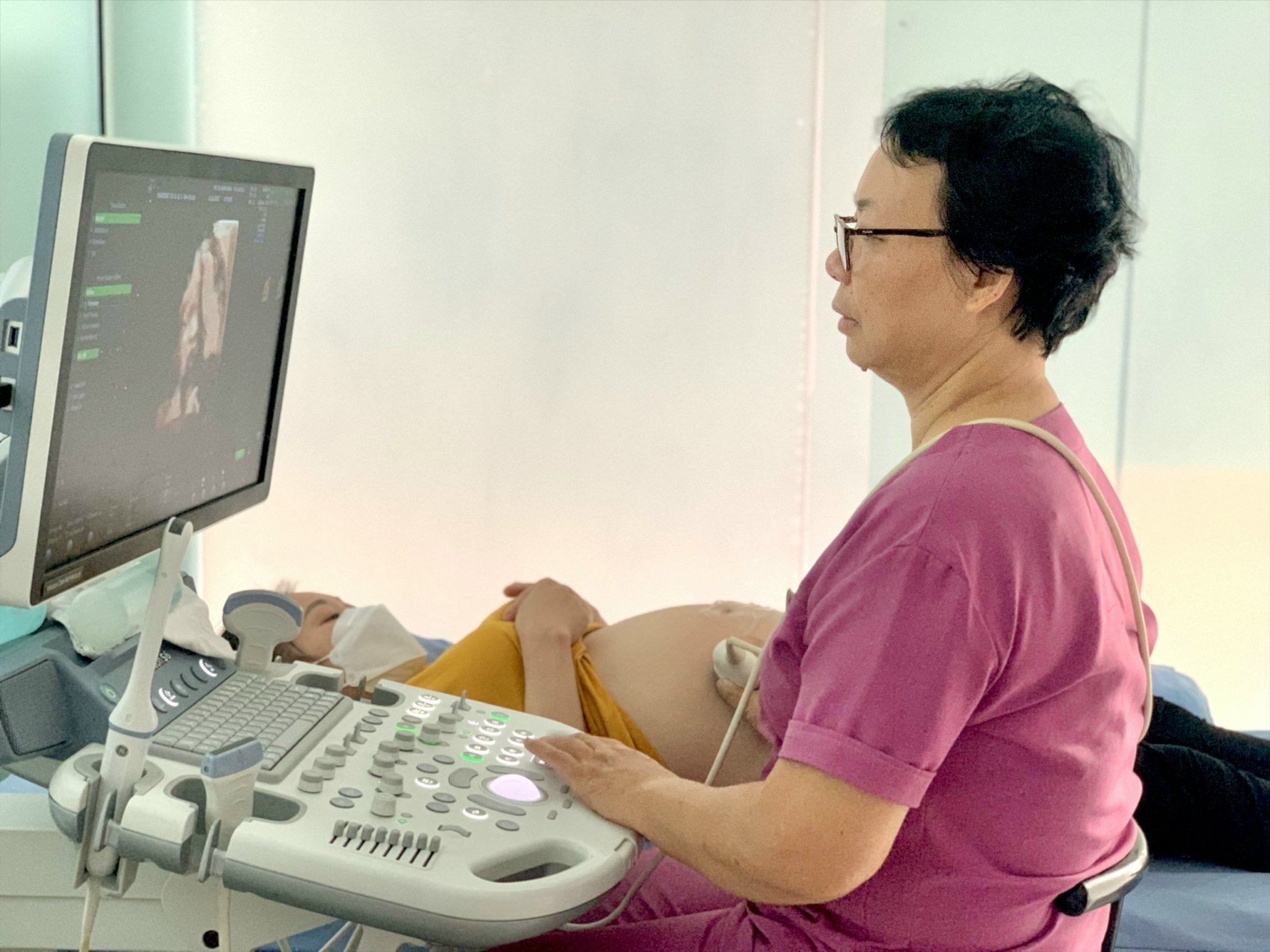
At Phòng Khám Bác Sỹ Lâm, BSCKI. Trần Thị Thúy Lâm, with over 30 years of experience, formerly working at the National Cancer Hospital (Viện K Trung Ương), Hanoi Medical University Hospital, Hanoi Andrology Hospital, and Medlatec Hospital, always listens and understands, helping women identify the cause of menstrual disorders and find the most appropriate solutions.
Book an Appointment
If stress is affecting your menstruation and reproductive health, please contact us for a consultation.
Phòng Khám Sản Phụ Khoa Bác Sỹ Lâm
- Address: 125 Hàm Nghi, Kim Tân, Lào Cai
- Phone: 0986 321 000
- Hours: Monday – Saturday
Book now: 0986 321 000 — 125 Hàm Nghi, Kim Tân, Lào Cai