Sexual health — an important part of overall well-being
Women’s sexual health is not just a physical aspect but also includes psychological, emotional, and relational dimensions. According to the World Health Organization (WHO), sexual health is a state of physical, mental, and social well-being related to sexuality, not merely the absence of disease.
In Vietnam, women’s sexual health remains a topic rarely discussed openly. Many women experience problems but are reluctant to seek medical care or share their concerns, leading to silent suffering. This article aims to provide accurate medical knowledge to help women better understand and care for their sexual health.
Common sexual health issues in women
Decreased sexual desire
This is the most common issue, affecting approximately 30-40% of women at some point in their lives. Causes include:
Physical factors:
- Hormonal changes: pregnancy, breastfeeding, menopause, birth control pills
- Medical conditions: anemia, hypothyroidism, diabetes, depression
- Medications: antidepressants (SSRIs), blood pressure medications, antihistamines
- Chronic fatigue, sleep deprivation
Psychological factors:
- Work and family stress
- Relationship issues (lack of connection, conflict)
- Negative body image
- History of abuse or negative experiences
Pain during intercourse (dyspareunia)
Affects approximately 10-20% of women, classified into two types:
Superficial pain (at the vaginal entrance):
- Vaginal dryness due to insufficient arousal or reduced estrogen
- Vaginal muscle spasms (vaginismus)
- Vulvar vestibulitis
- Vaginal infections, Candida
- Scars from childbirth or surgery
Deep pain (internal):
- Endometriosis
- Uterine fibroids
- Pelvic inflammatory disease
- Ovarian cysts
Difficulty achieving orgasm
Approximately 10-15% of women have never experienced orgasm, and many others have difficulty. Causes are usually a combination of physical factors (medications, medical conditions, age) and psychological factors (anxiety, lack of body knowledge, pressure).
Vaginal dryness
Common in menopausal women but also occurs in younger women:
- Menopause: reduced estrogen thins the vaginal lining and decreases secretions
- Breastfeeding: the hormone prolactin suppresses estrogen
- Medications: antihistamines, allergy medications, some birth control pills
- Insufficient arousal: inadequate foreplay time
Sexual health across life stages
Youth and reproductive years
- Need education about sexual health and contraceptive methods
- HPV vaccination to prevent cervical cancer
- Screening for sexually transmitted infections (STIs)
- Use protective measures (condoms) to prevent STIs
Pregnancy and postpartum
Sexual intercourse during a normal pregnancy is safe unless the doctor advises otherwise. Some common changes:
- First trimester: fatigue and nausea may reduce desire
- Second trimester: many women experience increased desire due to increased pelvic circulation
- Third trimester: a larger belly creates challenges, requiring position changes
After childbirth, wait at least 4-6 weeks (or as directed by your doctor) before resuming intercourse. Breastfeeding, sleep deprivation, and hormonal changes can reduce desire and cause vaginal dryness.
Perimenopause and menopause
This stage brings significant changes:
- Decreased estrogen causes vaginal dryness, mucosal atrophy, and reduced elasticity
- Decreased testosterone may reduce desire
- Body changes affect confidence
However, many women report that sexual life after menopause remains satisfying, even improved, thanks to reduced worry about unintended pregnancy.
Sexually transmitted infections to know about
HPV (Human Papillomavirus)
- The most common sexually transmitted virus
- Most infections clear on their own, but some strains cause cervical cancer
- Prevention through HPV vaccination and regular Pap smear screening
Chlamydia and gonorrhea
- Often asymptomatic in women
- If untreated, can cause pelvic inflammatory disease, fallopian tube blockage, and infertility
- Simple diagnosis through cervical swab testing
Genital herpes
- Causes recurring sores in the genital area
- Cannot be completely cured but can be managed with antiviral medications
- Partners should be informed, and condoms should be used
Methods to improve sexual health
Medical treatment
- Topical estrogen: Vaginal cream or tablets for post-menopausal vaginal dryness
- Lubricants: Use during intercourse, choose water-based or silicone-based products
- Pelvic floor physical therapy: For vaginismus or painful intercourse
- Psychological counseling or sex therapy: When the cause is psychological
- Medication adjustment: Switch medications if current ones are causing issues
Self-care
- Maintain overall health: exercise, get enough sleep, eat a balanced diet
- Kegel exercises: Strengthen pelvic floor muscles, improve sensation during intercourse
- Understand your own body: Learn about your own sexual responses
- Open communication with your partner: Share desires and concerns
Maintaining a healthy relationship
- Spend quality time together, not just during intercourse
- Respect each other’s boundaries and desires
- Resolve conflicts constructively
- Seek couples counseling if needed
When to see a doctor
Proactively seek medical care when:
- Persistent pain during intercourse
- Decreased desire affecting quality of life and relationships
- Bleeding after intercourse
- Suspected sexually transmitted infection
- Abnormal discharge (discolored, foul-smelling, itchy)
- Any concerns about sexual health
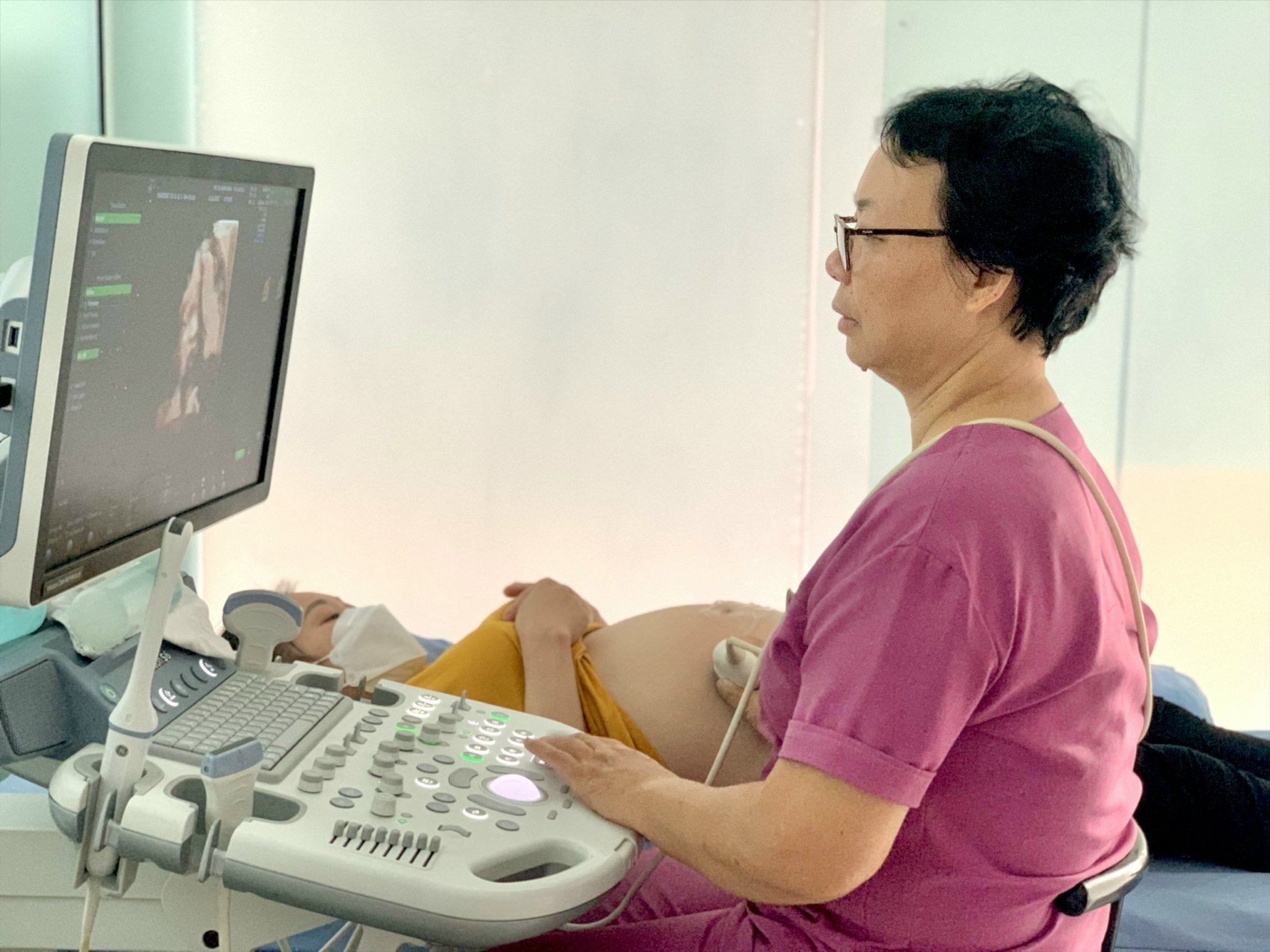
At Phòng Khám Bác Sỹ Lâm, BSCKI. Trần Thị Thúy Lâm provides a private, comfortable consultation space where women can share any sexual health concerns without embarrassment. With over 30 years of experience, the doctor will help diagnose the cause and recommend the most appropriate treatment.
Doctor’s advice
Through many years of examining and counseling women in Lào Cai, BSCKI. Trần Thị Thúy Lâm has observed that most sexual health issues can be significantly improved with proper intervention. However, the biggest barrier remains the psychological reluctance to discuss this topic.
Sexual health is an inseparable part of overall health. It should not be considered so private that you must suffer in silence. If you experience any issue — whether it is pain during intercourse, decreased desire, or concern about infections — proactively seek a specialist.
Some practical advice:
- Open communication with your partner is the foundation of a healthy sex life. Share your feelings, desires, and concerns
- Don’t compare your sex life with others or with what you see in media
- Practice Kegel exercises regularly every day — this simple exercise brings many benefits for the pelvic floor and sexual life
- Regular gynecological exams annually, combined with STI screening
- HPV vaccination if not yet vaccinated — this is the most effective way to prevent cervical cancer
Don’t let embarrassment prevent you from living life fully. At the clinic, all patient information is kept strictly confidential, and the consultation space is completely private.
Related articles
- Safe Contraceptive Methods — choosing the right method for each life stage
- Sexually Transmitted Diseases — recognition, prevention, and treatment
- HPV Vaccine in Lào Cai — cervical cancer prevention vaccination
See also: Gynecological Treatment Services | Cancer Screening Services
Phòng Khám Sản Phụ Khoa Bác Sỹ Lâm — Address: 125 Hàm Nghi, Kim Tân, Lào Cai
Book an appointment: 0986 321 000 — Private, dedicated consultation with strict confidentiality.