What Is Preeclampsia?
Preeclampsia is a serious pregnancy complication characterized by high blood pressure and proteinuria (protein in the urine) appearing after week 20 of pregnancy. According to WHO statistics, preeclampsia affects approximately 2-8% of pregnancies worldwide and is one of the leading causes of maternal and neonatal death.
In Vietnam, the preeclampsia rate ranges from 3-5% of all pregnancies. Particularly in mountainous areas like Lào Cai, limited access to healthcare means many cases go undetected and untreated in time.
Recognizing the Signs of Preeclampsia
Early signs
In the early stages, preeclampsia often has no obvious symptoms, which is exactly what makes it dangerous. Only through regular prenatal check-ups can doctors detect:
- Elevated blood pressure: Blood pressure of 140/90 mmHg or higher measured at least twice, 4 hours apart
- Protein in urine: Urine tests showing abnormal protein levels
- Mild swelling: Swelling in the face, hands, and feet — especially swelling that does not resolve after rest
Dangerous warning signs
As the condition progresses, expectant mothers may experience the following symptoms — seek medical care immediately:
- Severe headache, especially in the forehead or back of the head, not relieved by regular pain medication
- Visual disturbances: Blurred vision, double vision, seeing flashes of light, or temporary vision loss
- Upper abdominal or right upper quadrant pain: Pain in the upper abdomen, especially on the right side, due to liver involvement
- Sudden nausea and vomiting appearing in the second half of pregnancy
- Sudden weight gain: Gaining more than 1 kg per week due to fluid retention
- Decreased urine output: Urinating less than usual
- Shortness of breath: Due to fluid accumulation in the lungs
Dangerous Complications of Preeclampsia
If not detected and treated promptly, preeclampsia can lead to life-threatening complications:
For the mother
- Eclampsia: Generalized seizures that can lead to coma and death
- HELLP syndrome: Hemolysis, elevated liver enzymes, low platelets — an extremely dangerous complication
- Placental abruption: The placenta separates from the uterine wall before delivery, causing massive bleeding
- Acute kidney failure: The kidneys lose their ability to filter blood normally
- Acute pulmonary edema: Fluid accumulation in the lungs causing severe breathing difficulty
- Cerebral hemorrhage: The most severe complication, potentially fatal
For the fetus
- Intrauterine growth restriction: Due to reduced blood flow to the placenta
- Preterm birth: Early delivery may be necessary to protect the mother’s life
- Low amniotic fluid: Reduced amniotic fluid affecting fetal development
- Stillbirth: In severe cases, the fetus may die in the uterus
Who Is at High Risk?
Factors that increase the risk of preeclampsia include:
- First pregnancy
- Personal or family history of preeclampsia
- Women over 35 or under 18
- Multiple pregnancy (twins, triplets)
- Obesity (BMI over 30)
- Pre-existing conditions: chronic hypertension, diabetes, kidney disease, lupus
- Long interval between pregnancies (over 10 years)
- In vitro fertilization (IVF)
Diagnosis and Treatment
Diagnosis
At Phòng Khám Bác Sỹ Lâm, the diagnostic process for preeclampsia includes:
- Blood pressure measurement at every prenatal visit
- Urine test to detect proteinuria
- Blood tests: Checking liver function, kidney function, and platelets
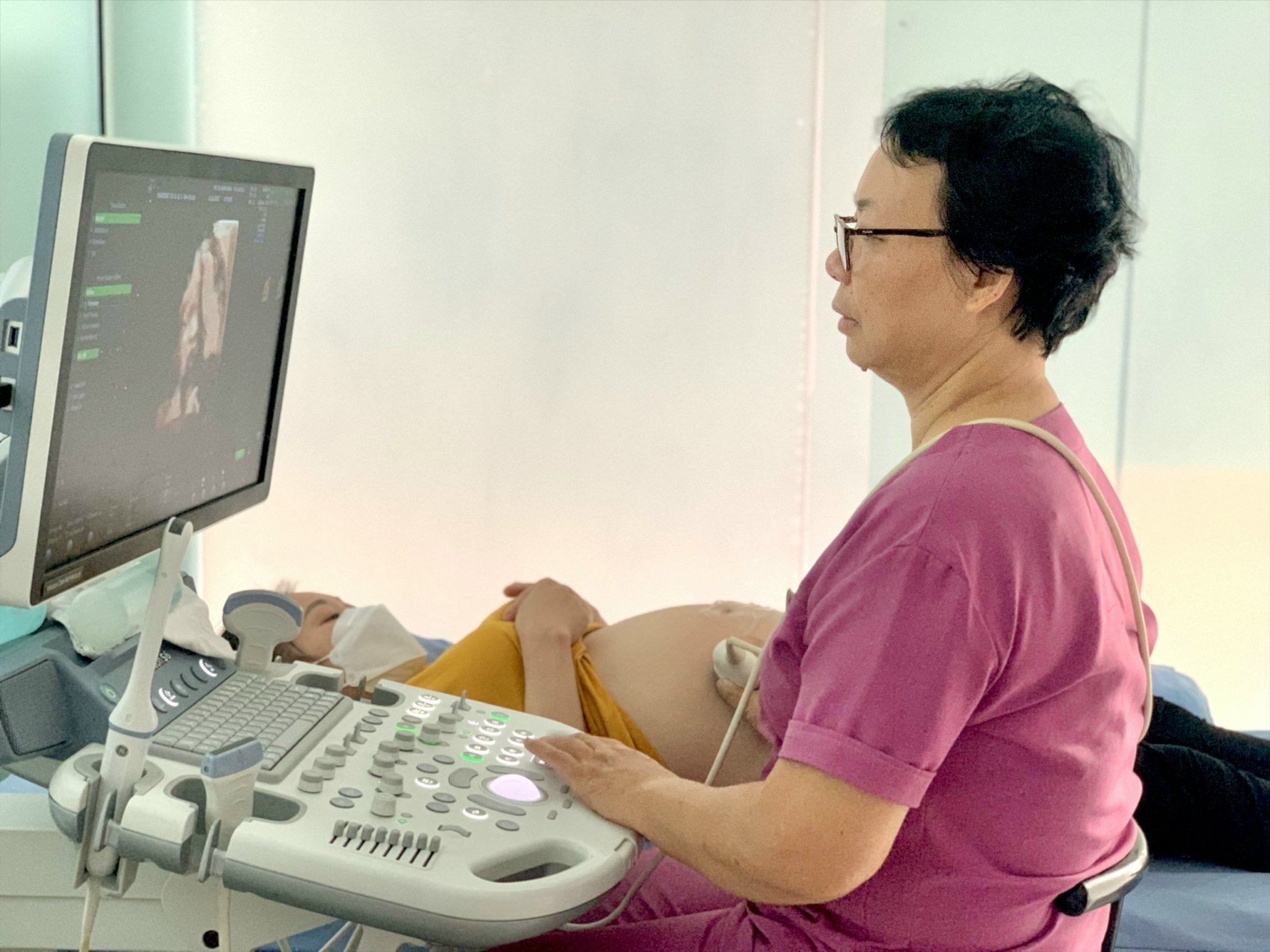
- Doppler ultrasound: Evaluating blood flow to the placenta and fetal development
- Fetal heart monitoring: Continuous fetal heart rate monitoring
Treatment
Treatment depends on severity and gestational age:
Mild preeclampsia:
- Close monitoring at the clinic (twice weekly)
- Rest, limited strenuous activity
- Low-sodium, high-protein diet
- Continue the pregnancy until full term if the condition remains stable
Severe preeclampsia:
- Hospital admission for monitoring and treatment
- Blood pressure medications: Labetalol, Nifedipine, or Methyldopa
- Magnesium sulfate: Seizure prevention (eclampsia)
- Corticosteroids: Fetal lung maturation if early delivery is needed
- Terminate pregnancy when necessary to protect mother and baby
Preventing Preeclampsia
While complete prevention is not possible, expectant mothers can reduce their risk by:
- Regular prenatal check-ups — this is the most important measure
- Calcium supplementation of 1.5-2g per day as recommended by WHO for women with low calcium diets
- Low-dose aspirin (75-150mg daily) from weeks 12-36 for high-risk groups (as prescribed by a doctor)
- Weight management before and during pregnancy
- Healthy diet: Plenty of vegetables, fruits, limited salt
- Gentle exercise such as walking 30 minutes daily
- Stress management and adequate sleep
Doctor’s Advice
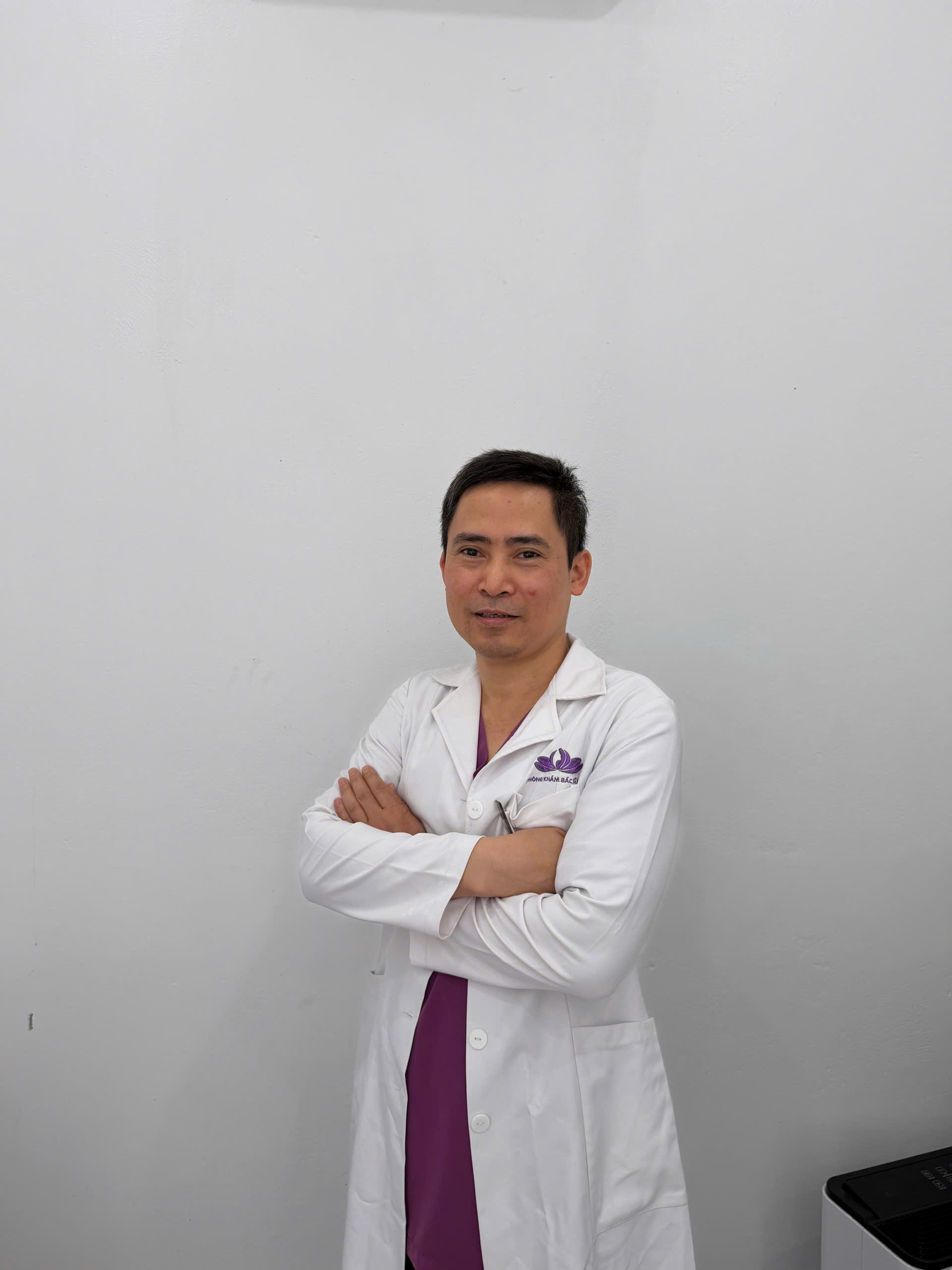
With over 30 years of experience in obstetrics and gynecology, Dr. Lâm emphasizes: “Preeclampsia is a silent but extremely dangerous condition. In many cases I have encountered in Lào Cai, expectant mothers only come for examination when they already have severe symptoms, making treatment much more difficult. Regular prenatal care is the best way to detect it early and protect both mother and child.”
If you are pregnant and experience any unusual signs, don’t hesitate — come in for an examination immediately for timely counseling and monitoring.
Preeclampsia and Long-Term Health
Many expectant mothers think preeclampsia only affects them during pregnancy and resolves after delivery. However, research shows that women who have had preeclampsia face higher long-term health risks:
- Cardiovascular disease: Risk 2-4 times higher than women without preeclampsia
- Chronic hypertension: Approximately 20-30% of women who had preeclampsia will develop hypertension within 10 years
- Stroke: Risk doubles
- Type 2 diabetes: Increased risk, especially if gestational diabetes was also present
- Chronic kidney disease: Slightly increased risk
Therefore, women who have had preeclampsia should:
- Monitor blood pressure regularly after delivery
- Get annual cardiovascular health check-ups
- Maintain a healthy lifestyle: exercise, balanced diet, no smoking
- Inform doctors about preeclampsia history during health check-ups
Postpartum Preeclampsia
In rare cases, preeclampsia can develop after delivery, usually within 48 hours but potentially up to 6 weeks postpartum. Warning signs are similar to those during pregnancy:
- High blood pressure (over 140/90 mmHg)
- Severe, persistent headache
- Visual disturbances
- Upper abdominal pain
- Severe swelling, sudden weight gain
- Nausea, vomiting
Postpartum mothers experiencing any of these symptoms should seek immediate medical attention. Postpartum preeclampsia is equally dangerous and requires emergency treatment.
Differentiating Preeclampsia from Gestational Hypertension
Not all cases of high blood pressure during pregnancy are preeclampsia. Key distinctions:
| Condition | Blood Pressure | Proteinuria | Organ Damage | Onset |
|---|---|---|---|---|
| Gestational hypertension | Over 140/90 | No | No | After week 20 |
| Preeclampsia | Over 140/90 | Yes (or organ damage) | Possible | After week 20 |
| Chronic hypertension | Over 140/90 | No | No | Before week 20 |
| Superimposed preeclampsia | Over 140/90, increasing | New onset | Yes | Any time |
Accurate diagnosis requires combining blood pressure monitoring, urine tests, blood tests, and Doppler ultrasound. This is why regular prenatal check-ups are important — enabling early detection and proper differentiation.
When to See a Doctor
Expectant mothers should seek medical care immediately when experiencing any of the following:
- Severe headache not relieved by rest or regular pain medication
- Blurred vision, seeing flashes, temporary vision loss
- Upper abdominal or right upper quadrant pain
- Sudden severe swelling of the face and hands
- Weight gain over 1 kg per week
- Shortness of breath, chest tightness
- Decreased fetal movement
For expectant mothers in the high-risk group, prenatal check-ups every 1-2 weeks in the second half of pregnancy are necessary for close blood pressure and vital sign monitoring.
Related Articles
- Third Trimester Nutrition Guide — A low-sodium, calcium-rich diet helps prevent preeclampsia
- Exercising During Pregnancy — Regular exercise reduces preeclampsia risk
- C-Section vs. Vaginal Birth — Severe preeclampsia may be an indication for C-section
Book an Appointment
Contact us now for preeclampsia monitoring and prevention:
- Hotline: 0986 321 000
- Address: 125 Hàm Nghi, Kim Tân, Lào Cai
- Services: Prenatal Check-ups | Obstetric Ultrasound