What is gestational diabetes?
Gestational diabetes (Gestational Diabetes Mellitus — GDM) is a condition of impaired glucose tolerance that first appears during pregnancy and usually resolves after delivery. It occurs when the body cannot produce enough insulin or cannot use insulin effectively to control blood sugar during pregnancy.
Gestational diabetes affects approximately 7-14% of pregnant women worldwide. In Vietnam, the prevalence is approximately 10-15% and is increasing due to changes in lifestyle and diet.
Why does pregnancy cause diabetes?
During pregnancy, the placenta secretes multiple hormones (human placental lactogen, cortisol, progesterone) that cause insulin resistance. Normally, the pancreas compensates by increasing insulin production. However, if the pancreas cannot meet the demand, blood sugar rises — leading to gestational diabetes.
Insulin resistance increases progressively with gestational age, peaking in the third trimester (weeks 24-28), which is also when gestational diabetes is most commonly detected.
Risk factors
High risk
- Obesity before pregnancy (BMI over 30)
- History of gestational diabetes in a previous pregnancy
- Family history of type 2 diabetes (parents, siblings)
- History of large babies (over 4 kg)
- Polycystic ovary syndrome (PCOS)
- Abnormal fasting blood sugar before pregnancy
Moderate risk
- Maternal age over 25 (especially over 35)
- Excessive weight gain during pregnancy
- Sedentary lifestyle
- Asian women have higher risk than Caucasian women
Complications if not well managed
Effects on the fetus
- Macrosomia: Birth weight over 4 kg, causing difficult delivery and birth trauma risk
- Neonatal hypoglycemia: Baby is born with low blood sugar from being accustomed to a high-sugar environment
- Respiratory distress syndrome: Baby’s lungs may mature more slowly
- Neonatal jaundice: Higher incidence
- Increased risk of obesity and diabetes when the child grows up
- Stillbirth: In severe cases with uncontrolled blood sugar
Effects on the mother
- Preeclampsia: Risk increased 2-4 times
- Polyhydramnios: Excess amniotic fluid
- C-section: Higher rate due to large baby
- Urinary tract infections: Increased risk
- Type 2 diabetes after delivery: 50% of women with gestational diabetes develop type 2 diabetes within 5-10 years
Screening and diagnosis
Who should be screened?
Per current recommendations, all pregnant women should be screened for gestational diabetes at weeks 24-28. Women at high risk should be tested earlier (at the first prenatal visit).
Diagnostic method
75g oral glucose tolerance test (OGTT — recommended method):
- Fast overnight for at least 8 hours
- Fasting blood glucose test
- Drink 75g glucose dissolved in 250-300 mL water
- Blood glucose tests at 1 hour and 2 hours after
Gestational diabetes is diagnosed when at least 1 value is abnormal:
| Time Point | Diagnostic Threshold |
|---|---|
| Fasting blood glucose | 92 mg/dL (5.1 mmol/L) or higher |
| After 1 hour | 180 mg/dL (10.0 mmol/L) or higher |
| After 2 hours | 153 mg/dL (8.5 mmol/L) or higher |
Managing gestational diabetes
Diet — the foundation of treatment
Approximately 80-90% of women with gestational diabetes can control blood sugar through diet alone:
Principles:
- Eat smaller, more frequent meals: 3 main meals + 2-3 snacks
- Total calories: 1,800-2,500 kcal per day (depending on weight)
- Carbohydrates: 40-50% of total energy
- Protein: 20-25%
- Fat: 25-35%
Recommended foods:
- Complex carbohydrates: brown rice, oats, sweet potatoes, whole wheat bread
- Green vegetables: eat plenty, no restrictions
- Lean protein: fish, chicken breast, tofu, eggs
- Healthy fats: olive oil, avocado, nuts
- Low-sugar fruits: guava, grapefruit, apple (eat in moderation, avoid large amounts at once)
Foods to avoid:
- Sugar, candy, soft drinks, packaged fruit juice
- Large portions of white rice (replace with brown rice or reduce quantity)
- Very sweet fruits: ripe mango, longan, lychee, watermelon
- Processed foods, fried foods
Physical activity
- Walk for 15-30 minutes after meals to effectively lower post-meal blood sugar
- Exercise 150 minutes per week at moderate intensity (brisk walking, swimming, yoga)
- Avoid strenuous exercise or activities with fall risk
Home blood sugar monitoring
Pregnant women are taught to self-monitor blood sugar with a personal glucose meter:
- Fasting blood sugar: Below 95 mg/dL (5.3 mmol/L)
- 1 hour after meals: Below 140 mg/dL (7.8 mmol/L)
- 2 hours after meals: Below 120 mg/dL (6.7 mmol/L)
Record daily results for the doctor to evaluate and adjust the treatment plan.
Insulin treatment
Approximately 10-20% of women with gestational diabetes need insulin when diet and exercise are insufficient to control blood sugar:
- Insulin is the safest medication during pregnancy (does not cross the placenta)
- Dose and type of insulin are individualized by the doctor
- Metformin may be used in some cases (discuss with your doctor)
Pregnancy monitoring with diabetes
Women with gestational diabetes need closer monitoring:
- More frequent prenatal visits (every 1-2 weeks from the third trimester)
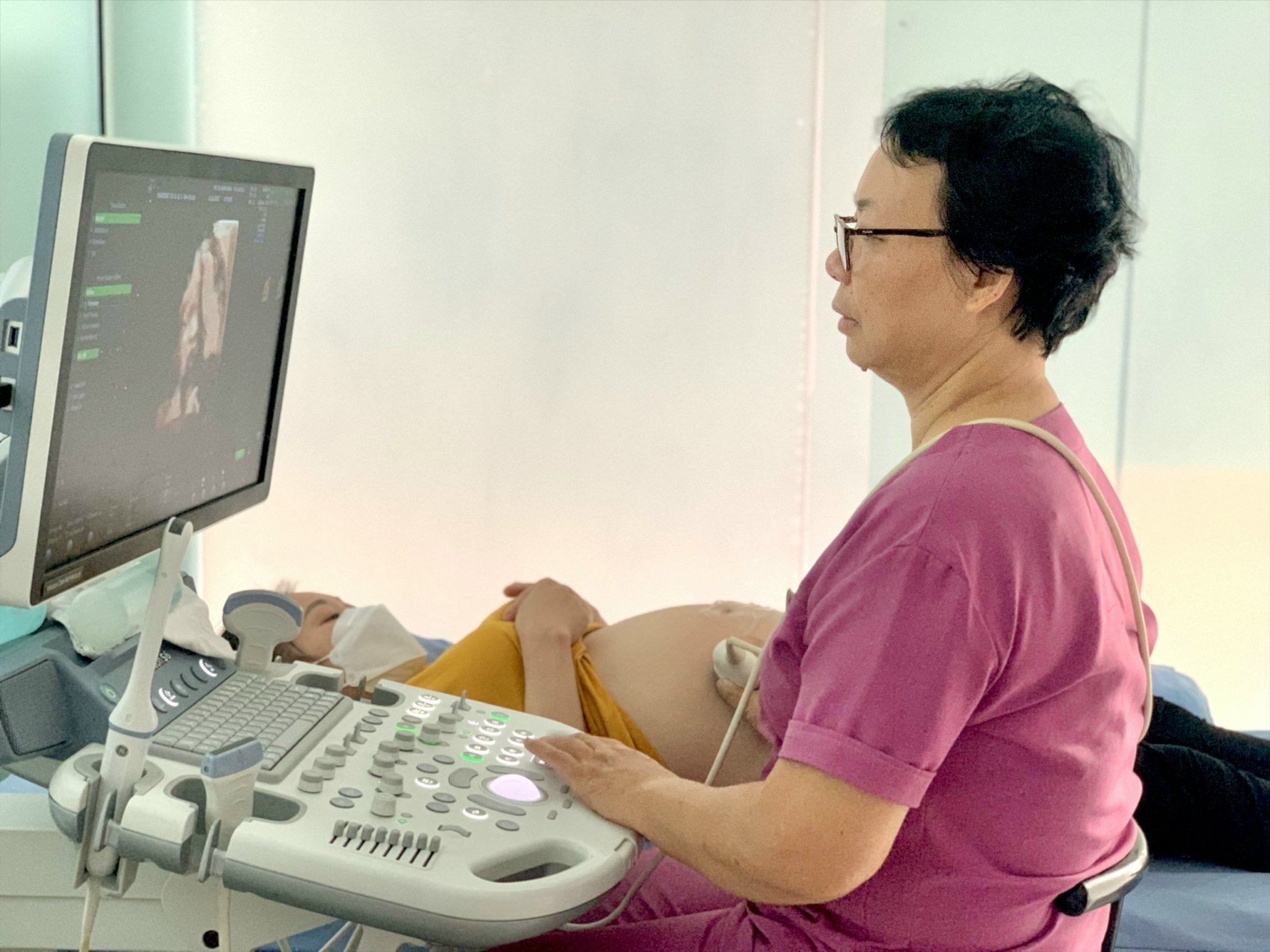
- Regular ultrasounds to assess fetal weight
- Fetal heart monitoring (non-stress test) from weeks 32-36
- Evaluation of appropriate timing and delivery method
Delivery with gestational diabetes
- If blood sugar is well controlled and the baby is developing normally: may wait for spontaneous labor until weeks 39-40
- If blood sugar is difficult to control or the baby is large: labor induction may be needed at weeks 37-39
- C-section: indicated when estimated fetal weight exceeds 4.5 kg or other obstetric indications exist
Postpartum — continued monitoring
Postpartum blood sugar testing
- Most blood sugar levels return to normal immediately after delivery
- A 75g OGTT should be done 6-12 weeks postpartum for confirmation
- Diabetes screening every 1-3 years for life due to high type 2 diabetes risk
Preventing type 2 diabetes
- Maintain a healthy weight after delivery
- Continue a healthy diet
- Exercise regularly, 150 minutes per week
- Breastfeed (helps improve glucose metabolism)
At Phòng Khám Bác Sỹ Lâm, BSCKI. Trần Thị Thúy Lâm screens all pregnant women for gestational diabetes following standard protocols, provides detailed dietary guidance, and closely monitors blood sugar, helping mothers and babies have a safe, healthy pregnancy.
Doctor’s advice
BSCKI. Trần Thị Thúy Lâm shares that gestational diabetes may sound scary, but in reality, most cases are well controlled through proper diet and appropriate exercise alone. The key is early detection and adherence to the monitoring protocol.
Some practical tips for mothers with gestational diabetes:
- Prepare healthy snacks: nuts, unsweetened yogurt, low-sugar fruits (guava, grapefruit) to eat between main meals, avoiding hypoglycemia
- Keep a food diary combined with blood sugar results — helps identify which foods cause blood sugar spikes for adjustment
- Walk gently for 15-20 minutes after each main meal — this is the simplest but most effective way to lower post-meal blood sugar
- Don’t skip meals — fasting doesn’t help control blood sugar; on the contrary, it can cause dangerous hypoglycemia
- Divide rice into small portions, eat vegetables and protein before carbohydrates to slow glucose absorption
- Carry your glucose meter when traveling for regular monitoring
Importantly, mothers should not be complacent after delivery. Blood sugar retesting 6-12 weeks postpartum and regular screening should be maintained, as the risk of developing type 2 diabetes later is very high without a healthy lifestyle.
Related articles
- First-Time Pregnancy: 10 Things to Prepare — comprehensive guide for expectant mothers
- Third Trimester Nutrition — evidence-based diet for late pregnancy
- Preeclampsia — a complication often associated with gestational diabetes
See also: Prenatal Check-up Services | Obstetric Ultrasound Services
Phòng Khám Sản Phụ Khoa Bác Sỹ Lâm — Address: 125 Hàm Nghi, Kim Tân, Lào Cai
Book an appointment: 0986 321 000 — Accurate gestational diabetes screening, supporting expectant mothers throughout pregnancy.