What Is Infertility?
Infertility is the inability to conceive after 12 months of regular intercourse (2-3 times per week) without using any contraception. For women over 35, this timeframe is shortened to 6 months due to the rapid age-related decline in fertility.
Infertility is classified into two types:
- Primary infertility: Never having been pregnant
- Secondary infertility: Having been pregnant before but unable to conceive again
Infertility is not uncommon — it affects approximately 10-15% of couples worldwide, equivalent to about 1 million couples in Vietnam. Important facts to understand:
- 40% of causes are from the female (ovulation disorders, blocked fallopian tubes, uterine abnormalities)
- 40% of causes are from the male (weak, low count, or abnormally shaped sperm)
- 20% are from both partners or unexplained (unexplained infertility)
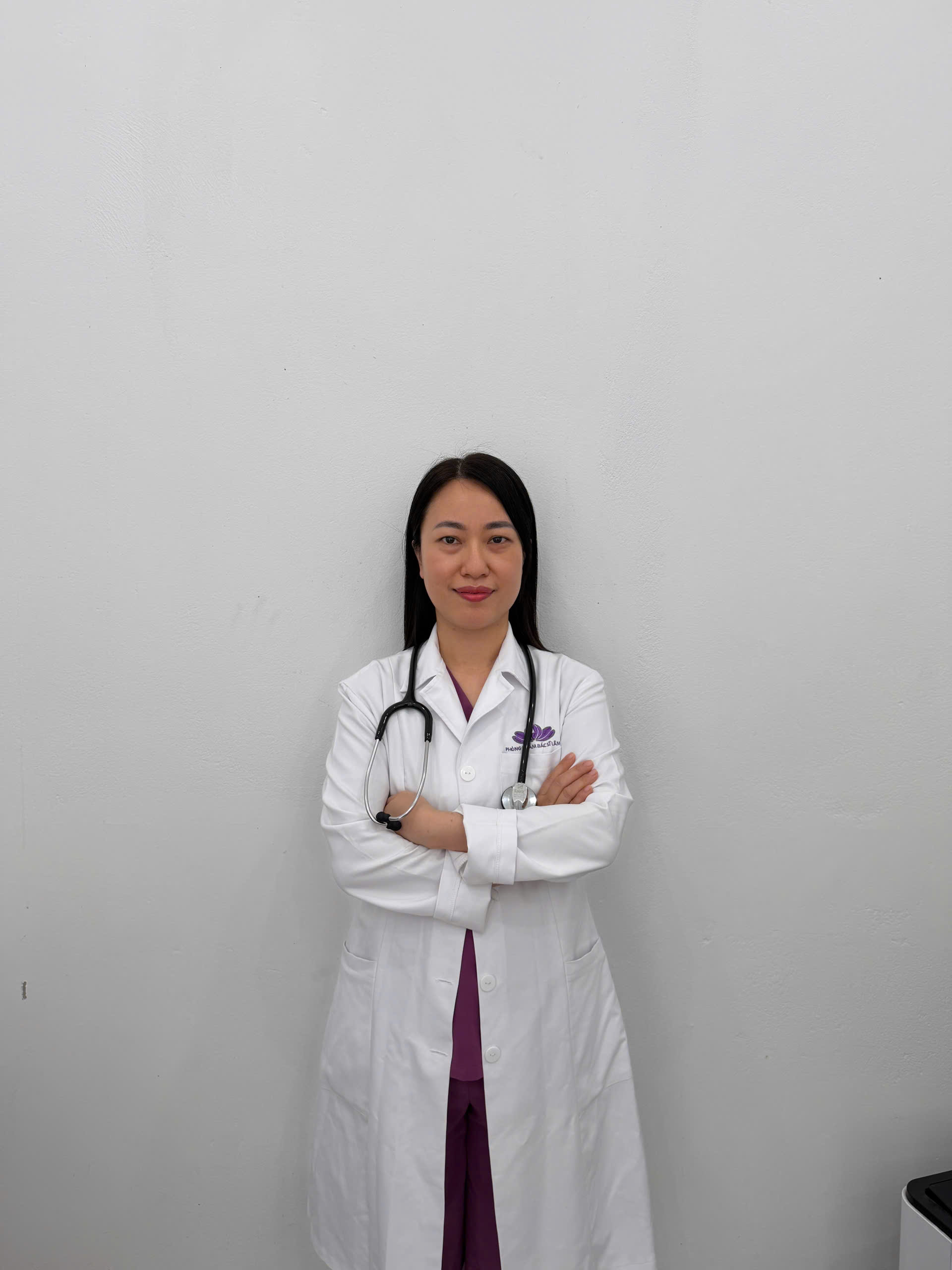
BSCKI. Trần Thị Thúy Lâm, with over 30 years of OB-GYN experience, emphasizes: “Infertility is not anyone’s fault. Both partners need to be examined. Many couples only bring the wife for evaluation, forgetting that male factors account for an equal proportion.”
Fertility Changes with Age
Understanding the relationship between age and fertility is crucial for appropriate family planning:
| Woman’s Age | Conception Rate/Month | Conception Rate/Year | Notes |
|---|---|---|---|
| 20-24 | 25-30% | 86% | Peak fertility |
| 25-29 | 20-25% | 78% | Still good |
| 30-34 | 15-20% | 63% | Beginning to decline |
| 35-39 | 10-15% | 52% | Significant decline |
| 40-44 | 5% | 36% | Sharp decline, increased miscarriage risk |
| >44 | <2% | Very low | Very difficult to conceive naturally |
Ovarian reserve (AMH): Women are born with approximately 1-2 million eggs. By puberty, about 300,000-400,000 remain. Each month, approximately 1,000 eggs are lost (regardless of ovulation). After 35, the rate of egg loss accelerates and egg quality also declines.
Causes of Female Infertility — Detailed Analysis
1. Ovulation disorders (25-30% of cases)
This is the most common cause in women, manifested by irregular periods or absent periods.
Polycystic Ovary Syndrome (PCOS):
- The most common cause of ovulation disorders (70-80%)
- Infrequent periods (>35 days per cycle) or absent periods
- Often accompanied by acne, excess hair, overweight
- Ultrasound shows multiple small cysts on the ovaries
- Treatment: Weight loss (if overweight), ovulation-stimulating medications (letrozole, clomiphene)
Premature ovarian insufficiency:
- Ovaries stop functioning before age 40
- High FSH, very low AMH
- Difficult to treat, may require donor eggs
Thyroid and pituitary disorders:
- Both hypothyroidism and hyperthyroidism affect ovulation
- Elevated prolactin (pituitary tumor) causes amenorrhea
- Usually treatable with medication
2. Blocked fallopian tubes (25-35% of cases)
The fallopian tubes are where the egg meets the sperm for fertilization. When blocked, the egg cannot travel from the ovary to the uterus.
Causes:
- Pelvic inflammatory disease (PID) — Untreated Chlamydia or gonorrhea causing tubal inflammation and adhesions
- Endometriosis — Endometrial tissue growing outside the uterus, causing adhesions and tubal blockage
- History of pelvic surgery — Appendectomy, ovarian cyst removal causing adhesions
- Previous ectopic pregnancy — Tubal damage
Diagnosis: Hysterosalpingography (HSG) or saline infusion sonography (SHG)
3. Uterine abnormalities
- Uterine fibroids — Especially submucosal fibroids protruding into the uterine cavity
- Uterine polyps — Benign growths preventing embryo implantation
- Intrauterine adhesions (Asherman’s syndrome) — From previous curettage or surgery
- Congenital uterine anomalies — Bicornuate uterus, uterine septum
4. Other causes
- Endometriosis — Affects 30-50% of infertile women
- Large ovarian cysts affecting ovulation
- Cervical factors — Abnormal cervical mucus due to cervicitis
- Lifestyle factors — Overweight/underweight, severe stress, smoking, excessive alcohol
Causes of Male Infertility — Detailed Analysis
Semen analysis abnormalities
- Oligozoospermia: Sperm count <15 million/mL
- Asthenozoospermia: Sperm motility <40%
- Teratozoospermia: Normal morphology <4%
- Azoospermia: No sperm in the semen
Specific causes
- Varicocele — Most common cause (40%), increases testicular temperature
- Obstructive azoospermia — Congenital or from infection, surgery
- Hormonal disorders — Pituitary failure, low testosterone
- Erectile dysfunction, ejaculatory disorders
- Environmental factors: High temperatures (saunas, hot baths), chemicals (pesticides, heavy metals), prolonged stress
- Medical history: Mumps after puberty, testicular trauma, chemotherapy/radiation
Infertility Examination Process at Phòng Khám Bác Sỹ Lâm
Step 1: Initial consultation (both partners)
- Detailed medical history of both partners
- Gynecological history: periods, miscarriages, abortions, surgeries
- Duration of trying to conceive, frequency and timing of intercourse
- History of sexually transmitted infections, infections
- Lifestyle factors: weight, smoking, alcohol, stress, occupation
Step 2: Female testing
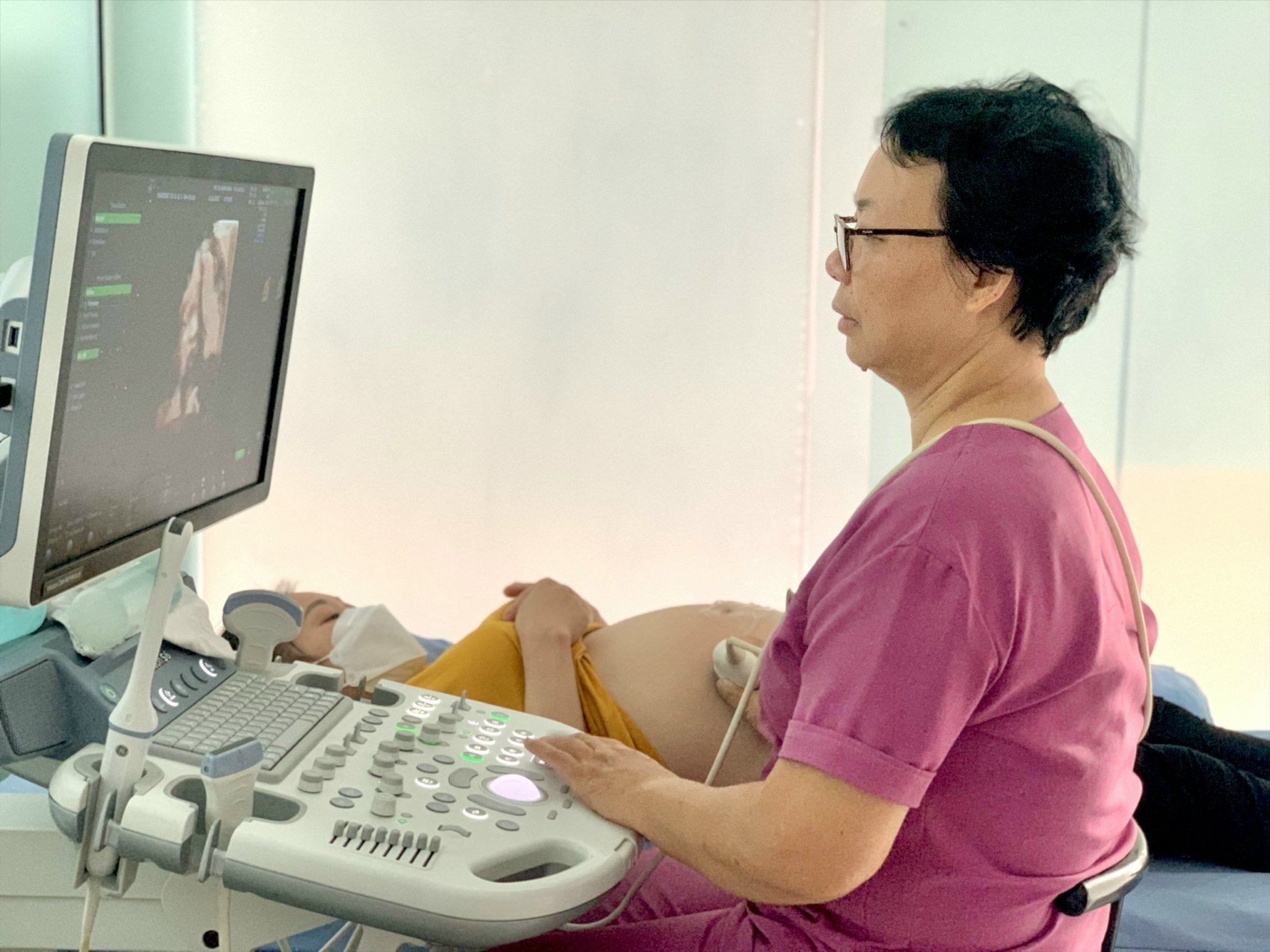
- Ovarian ultrasound — Antral follicle count (AFC), uterine evaluation, detection of fibroids, ovarian cysts, endometriosis
- Hormone tests (cycle day 2-4):
- FSH (Follicle Stimulating Hormone) — Assesses ovarian reserve
- LH (Luteinizing Hormone) — LH/FSH ratio suggests PCOS
- AMH (Anti-Mullerian Hormone) — Best indicator of egg reserve
- Estradiol (E2) — Ovarian function
- Progesterone (day 21) — Confirms ovulation
- Prolactin, TSH — Rules out pituitary and thyroid disorders
- Hysterosalpingography (HSG) — Contrast dye injected into the uterus with X-ray to assess uterine cavity shape and tubal patency
- Infection screening — Chlamydia, gonorrhea, Mycoplasma
Step 3: Male testing
- Semen analysis — The most basic test, evaluating:
- Semen volume
- Sperm count
- Morphology
- Motility
- Abstain from ejaculation for 2-5 days before the test
- Male hormone tests — Testosterone, FSH, LH (when semen analysis is abnormal)
Step 4: Results consultation and treatment planning
- Comprehensive results analysis
- Identification of specific causes (or combination of causes)
- Development of an appropriate treatment plan
- Counseling on timeline, cost, and expected success rates
- Referral if advanced intervention is needed (IUI, IVF)
Infertility Treatment Methods
1. Lifestyle changes (first step)
- Weight loss if BMI >25 — Losing 5-10% body weight can restore ovulation in women with PCOS
- Quit smoking — Tobacco reduces fertility in both men and women
- Limit alcohol
- Timed intercourse — 2-3 days before and on ovulation day (days 12-14 of the cycle)
- Reduce stress — Yoga, meditation, psychological counseling
2. Medical treatment
| Method | Indication | Success Rate | Estimated Cost |
|---|---|---|---|
| Ovulation stimulation (Clomiphene/Letrozole) | Ovulation disorders, PCOS | 15-25%/cycle | 500K-2 million/cycle |
| Ovulation stimulation (gonadotropin injections) | Non-responsive to oral medication | 20-30%/cycle | 3-8 million/cycle |
| Hormonal treatment (prolactin, thyroid) | Specific hormonal disorders | High (if correct cause) | 500K-1.5 million/month |
3. Advanced interventions (in coordination with referral centers)
| Method | Indication | Success Rate |
|---|---|---|
| IUI (intrauterine insemination) | Mild sperm abnormalities, unexplained infertility | 10-20%/cycle |
| IVF (in vitro fertilization) | Blocked tubes, severe infertility, failed IUI | 30-50%/cycle |
| ICSI (intracytoplasmic sperm injection) | Very weak/low sperm, obstructive azoospermia | 30-50%/cycle |
| Surgery | Fibroids, polyps, varicocele, vas deferens obstruction | Case-dependent |
4. Psychological support
Infertility causes significant stress for both partners. Psychological counseling and emotional support are an essential part of the treatment process.
When to See a Doctor
You should seek an infertility evaluation when:
- Trying for over 12 months without success (women under 35)
- Trying for over 6 months without success (women over 35)
- Irregular or absent periods — suggesting ovulation disorders
- History of recurrent miscarriage (2 or more)
- History of pelvic inflammatory disease or abdominal surgery
- History of endometriosis, uterine fibroids
- Severe menstrual cramps — suggesting endometriosis
- Husband has a history of testicular conditions, mumps, or chemotherapy
Advice: Don’t wait too long before seeking help. Time is the most important factor in infertility treatment — especially for women over 35.
Referral Network — Expert Collaboration
BSCKI. Trần Thị Thúy Lâm works closely with leading specialized hospitals:
- Hanoi Andrology & Infertility Hospital — A leading center for IUI, IVF, ICSI
- Hanoi Medical University Hospital — Advanced infertility examination and treatment
- Medlatec Hospital — High-quality hormone testing, AMH, semen analysis
Referral process: Patients receive examinations, counseling, and basic testing right here in Lào Cai. When advanced intervention is needed (IUI, IVF), Dr. Lâm directly refers to the appropriate specialist in Hanoi with complete medical records — helping patients save time and money without repeating tests already done.
Practical Advice for Couples Facing Infertility
BSCKI. Trần Thị Thúy Lâm shares from over 30 years of clinical experience:
Don’t blame each other: Infertility is a medical issue, not anyone’s fault. Both partners should attend examinations and support each other through the treatment process.
Be patient: Infertility treatment takes time. Success may not come in the first cycle. A relaxed mindset helps increase success rates.
Time intercourse correctly: Many couples have intercourse at the wrong time relative to ovulation. Track ovulation using LH test strips, ultrasound, or basal body temperature to identify the optimal conception window.
Don’t wait too long: Especially for women over 35, time is a decisive factor. Every year of waiting reduces the chances of success.
Take care of overall health: Maintaining a healthy weight, not smoking, limiting alcohol, eating well, and getting enough sleep all affect fertility.
Infertility can be treated. The first step is getting examined to find the cause. The earlier it’s detected, the higher the chances of success.
Call now: 0986 321 000 | Address: 125 Hàm Nghi, Kim Tân, Lào Cai
The clinic is open Monday through Saturday, mornings 7:30-11:30, afternoons 1:30-5:00 PM. Appointments can be made by phone and Zalo.