What Is Cervicitis?
Cervicitis is inflammation of the cervix — the lower part of the uterus connecting to the vagina. The cervix serves as a “gateway” protecting the uterus from bacteria and disease-causing agents. When this protective barrier is damaged or infected, cervicitis occurs.
This is a very common gynecological condition in women of reproductive age. According to statistics, approximately 50% of women will experience cervicitis at least once. The condition can be acute (clear symptoms, rapid onset) or chronic (prolonged, subtle symptoms).
With over 30 years of experience in obstetrics and gynecology, BSCKI. Trần Thị Thúy Lâm notes: “Cervicitis is one of the most common reasons women visit for a gynecological exam. The concerning aspect is that many cases of chronic cervicitis go undetected due to lack of clear symptoms, leading to serious complications later.”
Cervical Structure and Inflammation Mechanism
To better understand cervicitis, it helps to know the basic cervical structure:
- Ectocervix: The visible part during examination, covered by stratified squamous epithelium.
- Endocervix: The canal leading to the uterine cavity, covered by columnar epithelium.
- Transformation zone: Where the two types of epithelium meet — the most vulnerable area and where most cellular abnormalities originate.
When disease-causing agents invade, they damage the cervical epithelium, triggering an inflammatory response with congestion, swelling, increased discharge, and pain.
Signs of Cervicitis
Common symptoms
- Abnormal discharge — yellow, green, purulent, or foul-smelling. This is the most common symptom, present in about 70-80% of symptomatic cases.
- Bleeding between periods or after intercourse — from damaged cervical mucosa that bleeds easily on contact.
- Pain during intercourse (dyspareunia) — deep internal pain, especially when the cervix is touched. Many women hesitate to share this symptom, but it is an important warning sign.
- Lower abdominal pain — dull, persistent, possibly worsening near menstruation.
- Painful or frequent urination — when inflammation spreads and affects the urethra.
Severe symptoms (seek care immediately)
- Fever with lower abdominal pain — inflammation may have spread to the uterus or adnexa
- Heavy post-coital bleeding
- Purulent, strongly foul-smelling discharge
- Severe lower abdominal pain radiating to the lower back
Important note
Many cases of cervicitis have no obvious symptoms — especially Chlamydia-related cervicitis (80% asymptomatic in women). The condition is only discovered during routine gynecological exams. This is why gynecological check-ups every 6 months are crucial, even when you feel perfectly fine.
Types of Cervicitis
Acute cervicitis
- Rapid onset, clear symptoms
- Usually from acute infection (gonorrhea, Chlamydia)
- Responds well to antibiotic treatment
Chronic cervicitis
- Persists for weeks to months
- Subtle or recurring symptoms
- Can lead to cellular changes if untreated
- Requires close monitoring and may need procedural intervention
Causes of Cervicitis
Infectious causes
Sexually transmitted infections (STIs) are the most common cause:
- Chlamydia trachomatis — The most common cause, accounting for 40% of infectious cervicitis. Particularly dangerous because 80% of women with Chlamydia are asymptomatic, easily leading to pelvic inflammatory disease and tubal blockage if not detected in time.
- Gonorrhea (Neisseria gonorrhoeae) — Causes severe inflammation with purulent discharge, often co-occurring with Chlamydia.
- HPV (Human Papillomavirus) — Especially types 16 and 18, which risk causing precancerous cell changes. Read more about HPV vaccine for cervical cancer prevention.
- Herpes simplex virus (HSV) — Causes cervical ulceration and burning pain.
- Trichomonas vaginalis — Causes combined vaginal inflammation.
- Mycoplasma genitalium — A newly identified pathogen, increasingly common.
Non-infectious causes
- Allergies to condoms (latex), lubricants, intimate wash products
- Irritation from intrauterine devices (IUDs)
- Bacterial imbalance in the vagina (bacterial vaginosis)
- Hormonal changes — especially during perimenopause when estrogen decreases, making the mucosa thin and vulnerable
- Vaginal douching disrupting the natural protective microbiome
- Trauma from childbirth, gynecological procedures, or vigorous intercourse
Risk factors
- Early sexual activity (before age 18)
- Multiple sexual partners
- Not using condoms
- History of STIs
- Smoking — reduces local cervical immunity
- Immune suppression (HIV, immunosuppressive medications)
Diagnostic Methods
At Phòng Khám Bác Sỹ Lâm, cervicitis diagnosis follows standardized medical protocols:
- Detailed medical history — Menstrual history, current symptoms, obstetric/gynecological history, sexual history, current contraceptive methods.
- Clinical examination — Speculum examination of the cervix, assessing inflammation severity, discharge characteristics, and areas of damage.
- Colposcopy — Using specialized magnifying equipment to detect detailed lesions invisible to the naked eye. Especially useful for distinguishing routine inflammation from precancerous lesions.
- Cervical discharge testing — Gram stain, bacterial culture, PCR to identify the exact causative agent (Chlamydia, gonorrhea, Mycoplasma).
- Pap smear — Ruling out abnormal cells, early detection of precancerous lesions. See more about cervical cancer screening.
- HPV testing — When HPV infection is suspected, especially if the Pap smear shows abnormalities.
- Transvaginal ultrasound — Evaluating the uterus and adnexa when widespread inflammation is suspected.
Treatment Methods
Medical treatment (medication)
Medication is chosen based on the specific cause:
- Antibiotics — For bacterial cervicitis:
- Chlamydia: Azithromycin or Doxycycline
- Gonorrhea: Ceftriaxone combined with Azithromycin
- Mycoplasma: Moxifloxacin
- Antivirals — Acyclovir, Valacyclovir for Herpes
- Antifungals — If Candida co-infection is present
- Vaginal suppositories — Combined local treatment to help restore the mucosa
- Estrogen cream/suppositories — For atrophic cervicitis due to hormone deficiency in menopausal women
- Partner treatment if the cause is an STI — essential to prevent reinfection
Note: Medication must be taken at the correct dose for the full prescribed duration. Stopping early when symptoms improve is the leading cause of recurrence and antibiotic resistance.
Procedural interventions
Applied when chronic cervicitis does not respond to medication or lesions need treatment:
- Cryotherapy — Using cold nitrogen gas to destroy inflamed tissue. Advantages: minimal pain, quick recovery.
- Electrocautery — Using high-frequency electrical current to remove inflamed tissue. Effective for larger lesions.
- CO2 laser — High precision, minimal damage to surrounding healthy tissue.
- LEEP (Loop Electrosurgical Excision Procedure) — Removes the affected area with an electrical loop, serving both treatment and biopsy purposes.
At Phòng Khám Bác Sỹ Lâm, procedures are performed on-site without hospitalization. Procedure time is 5-15 minutes, and patients can go home afterward.
Post-treatment care
After treatment (especially after cervical cauterization):
- Abstain from intercourse for 4-6 weeks
- No tub baths or swimming for 2-4 weeks
- No tampons — use sanitary pads only
- Yellow or light pink discharge for 2-4 weeks is normal
- Take all prescribed medications
- Follow up per scheduled appointment — usually after 2-4 weeks
Complications If Untreated
Untreated cervicitis can lead to:
- Endometritis — Inflammation spreading from the cervix to the uterine cavity
- Pelvic inflammatory disease (PID) — Spreading to the fallopian tubes and ovaries, causing chronic pain and infertility risk
- Tubal blockage — Causing infertility, increased risk of ectopic pregnancy
- Precancerous cell changes — Especially when chronic inflammation combines with high-risk HPV infection
- Pregnancy complications — Increased risk of miscarriage, preterm birth, premature membrane rupture, neonatal infection
- Partner transmission — If the cause is an STI
The Relationship Between Cervicitis, Ectropion, and Cancer
This is an issue many women worry about:
Cervical ectropion is when columnar epithelium (normally inside the cervical canal) is exposed on the outer cervix. This is a normal physiological phenomenon, especially in young women, those using oral contraceptives, or during pregnancy. Ectropion is NOT a disease and NOT inflammation — no treatment is needed if there are no symptoms.
However, the ectropion area is more vulnerable to damage and infection, which can lead to actual cervicitis. Only then is treatment needed.
Cervicitis and cancer: Cervicitis does not directly cause cancer. However, chronic prolonged inflammation, especially combined with HPV types 16 and 18 infection, increases the risk of abnormal cell changes over time. Therefore, regular cervical cancer screening with Pap smear and HPV testing is extremely important.
Preventing Cervicitis
Proactive prevention
- Regular gynecological check-ups — every 6 months at a reputable specialized clinic
- Safe sex — Use condoms correctly every time
- HPV vaccination — Prevents HPV infection, reduces risk of cervicitis and cervical cancer
- Pap smear screening — Every 1-3 years depending on age and risk factors
Passive prevention
- Proper intimate hygiene — Wash externally, front to back, never douche inside the vagina
- Don’t overuse intimate wash — Maximum 1-2 times daily with pH-appropriate products (3.8-4.5)
- Wear cotton underwear — Breathable, changed daily
- Complete full treatment courses — Don’t stop medication midway
- Treat your partner — If cervicitis is from an STI, both partners must be treated
- Limit smoking — Tobacco weakens local cervical immunity
When to See a Doctor
You should seek gynecological care immediately if you notice:
- Abnormally colored discharge (dark yellow, green, purulent) lasting more than 3 days
- Bleeding after intercourse or between periods
- Lower abdominal pain with fever
- Persistent pain during intercourse
- Strongly foul-smelling discharge
- Recurring infection symptoms despite medication
- Currently pregnant with gynecological infection symptoms
Especially important: Even without symptoms, women of reproductive age should have gynecological check-ups every 6 months. Many serious conditions, including cervicitis and early-stage cervical cancer, are completely asymptomatic.
Practical Advice from the Specialist
BSCKI. Trần Thị Thúy Lâm, with over 30 years of gynecological experience, shares practical advice:
- Don’t self-medicate: Each type of cervicitis requires different medication. Using the wrong treatment not only fails to cure but causes drug resistance, making treatment more difficult.
- Don’t be afraid of exams: Many women avoid gynecological exams out of embarrassment. At Phòng Khám Bác Sỹ Lâm, all procedures are performed by a female doctor, ensuring privacy and comfort.
- Treat your partner: If cervicitis is caused by an STI, treating only one partner leads to continuous reinfection. Both partners must be treated.
- Long-term follow-up: After cervicitis treatment, follow up at 2-4 weeks and continue regular 6-monthly exams for early detection of recurrence.
Examination and Treatment at Phòng Khám Bác Sỹ Lâm
Phòng Khám Sản Phụ Khoa Bác Sỹ Lâm is a reputable gynecological clinic in Lào Cai, fully equipped for cervicitis diagnosis and treatment:
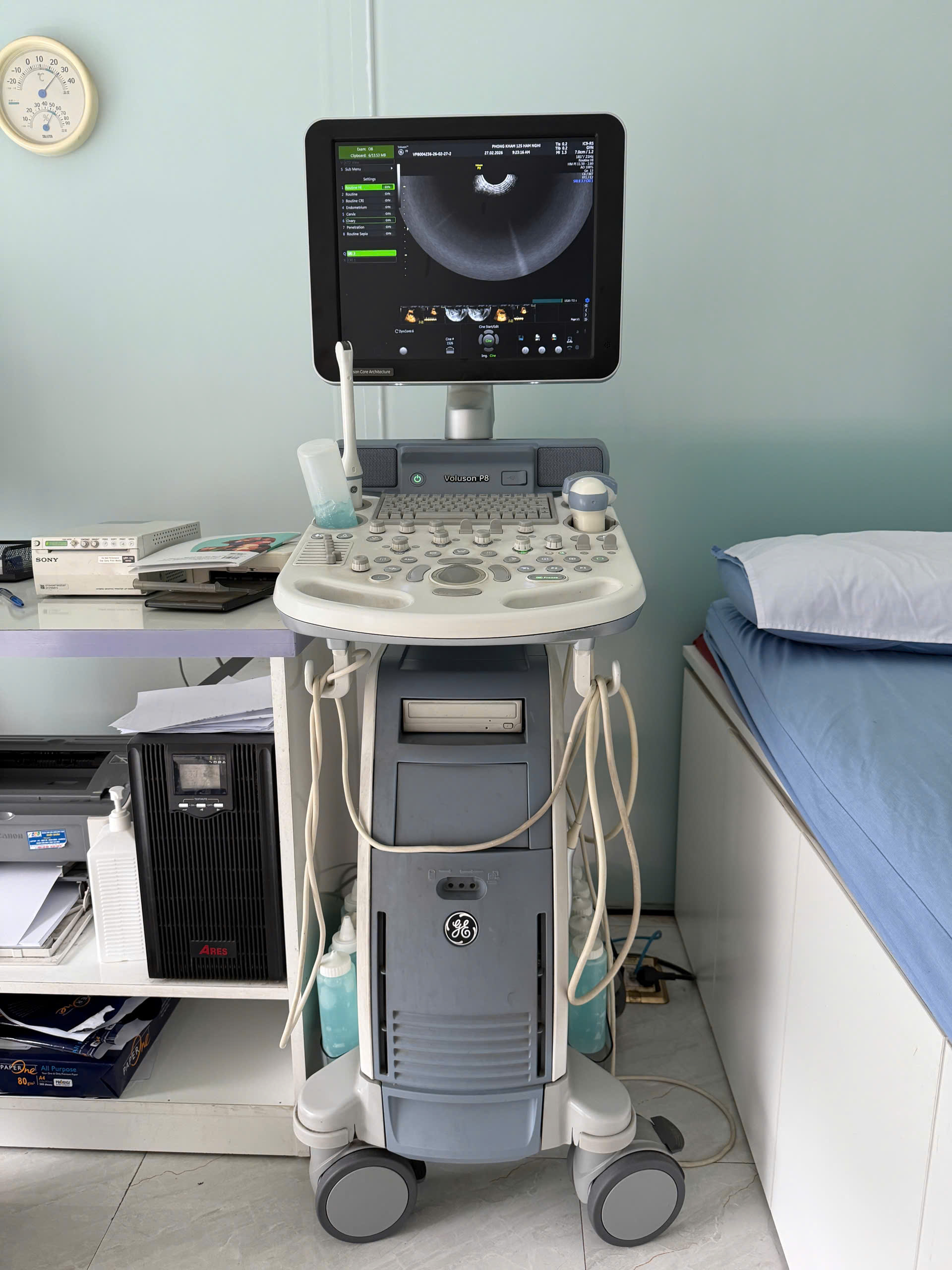
- Colposcopy with specialized colposcope equipment
- Testing — cervical discharge, Pap smear, HPV test — in coordination with Medlatec Hospital Hanoi
- Cervical cauterization on-site — quick, minimal pain, no hospitalization
- Coordination with the National Cancer Hospital when suspicious lesions are found
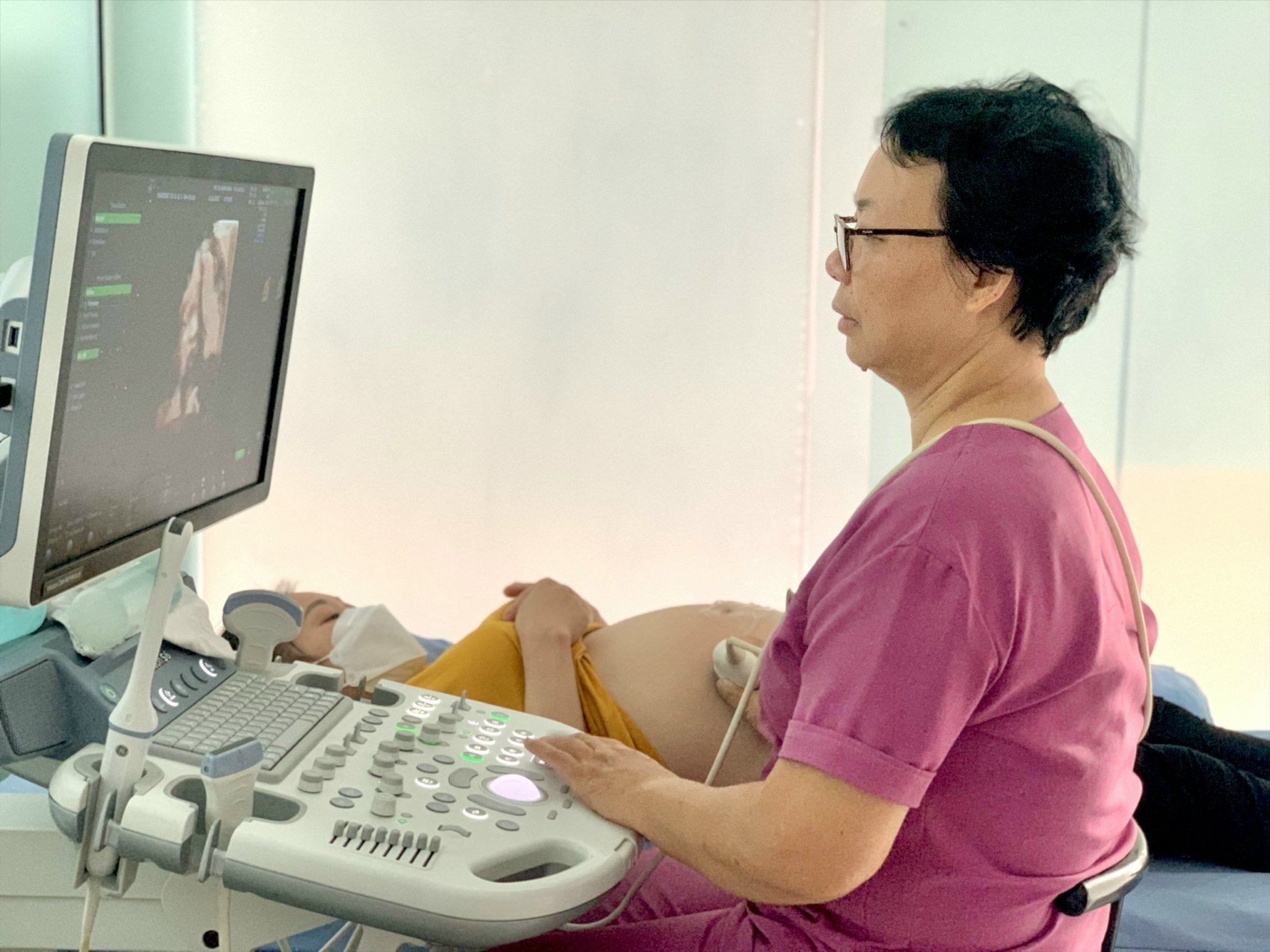
- Female doctor performs all examinations with dedicated counseling
BSCKI. Trần Thị Thúy Lâm is a member of the Vietnam Sexual Health Association, formerly an OB-GYN physician at the Provincial General Hospital of Lào Cai, with over 30 years of experience in gynecological diagnosis and treatment.
Book a gynecological exam today for accurate diagnosis and treatment. Early detection and timely treatment protect long-term reproductive health.
Call now: 0986 321 000 | Address: 125 Hàm Nghi, Kim Tân, Lào Cai
The clinic is open Monday through Saturday, mornings 7:30-11:30, afternoons 1:30-5:00 PM. Appointments can be made by phone and Zalo.