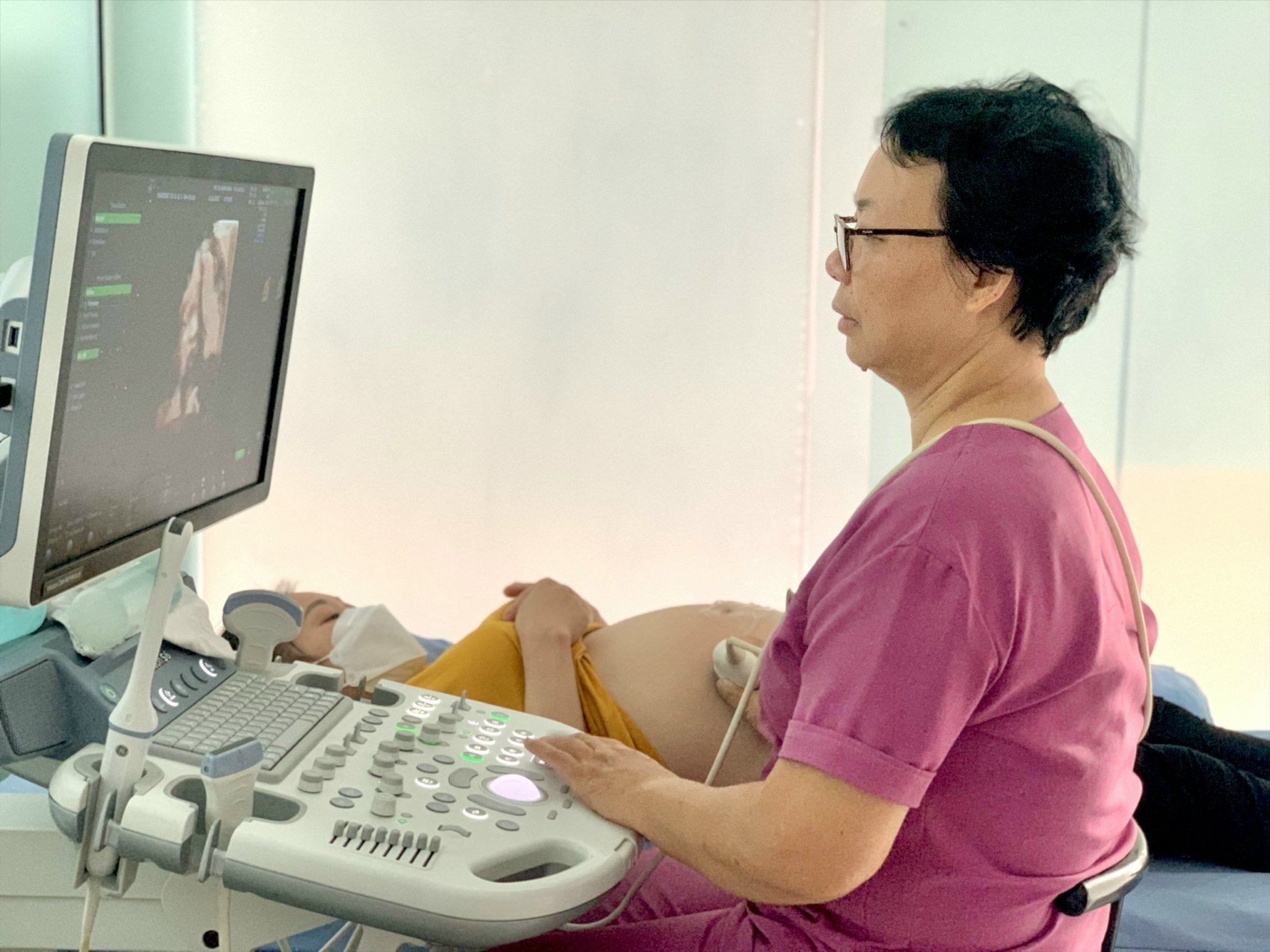
Why Are Pregnant Women More Susceptible to Gynecological Infections?
Gynecological infections are very common during pregnancy. According to statistics, approximately 70-75% of pregnant women experience at least one episode of gynecological infection during their pregnancy. The main reasons are the special physiological changes in the pregnant body:
Hormonal changes
During pregnancy, estrogen and progesterone levels surge dramatically, causing:
- Increased glycogen in vaginal epithelial cells — an abundant nutrient source for Candida yeast
- Altered vaginal pH — disrupting the protective microbiome balance
- Increased vaginal discharge — creating a moist environment favorable for bacteria and fungi
Physiological immune suppression
The pregnant woman’s immune system naturally decreases activity to avoid rejecting the fetus. This simultaneously reduces the ability to fight off infectious agents.
Anatomical changes
The growing uterus gradually compresses the bladder, increasing urinary frequency and sometimes causing urine retention — a contributing factor for concurrent urinary tract infections.
Common Types of Gynecological Infections During Pregnancy
1. Candida vaginal infection
This is the most common infection in pregnant women, accounting for up to 40% of cases.
Symptoms:
- Vaginal and vulvar itching and burning, especially at night
- White, thick, flour-like discharge, odorless or mild odor
- Pain during intercourse or urination
- Red, swollen vaginal mucosa
Safe treatment:
- Clotrimazole or Miconazole vaginal suppositories (7 days) — safe during pregnancy
- Avoid oral Fluconazole — poses risk to the fetus
- Clean the genital area with water, keep dry and ventilated
2. Bacterial vaginosis (BV)
Accounts for approximately 15-20% of gynecological infections in pregnant women, especially dangerous due to increased preterm birth risk.
Symptoms:
- Thin, gray-white discharge
- Characteristic fishy odor, worse after intercourse
- May have mild itching or no itching
Safe treatment:
- Oral or vaginal Metronidazole (after the first trimester)
- Clindamycin vaginal suppositories
- Close follow-up after treatment due to high recurrence rate
3. Trichomonas vaginitis
A sexually transmitted infection that can cause premature rupture of membranes and preterm birth.
Symptoms:
- Yellow-green, frothy, foul-smelling discharge
- Severe vaginal itching and burning
- Pain during intercourse and urination
- Cervix may show hemorrhagic spots (“strawberry cervix”)
Safe treatment:
- Single-dose oral Metronidazole (after the first trimester)
- Simultaneous treatment for the husband/partner
4. Group B Streptococcus (GBS) infection
Approximately 15-25% of pregnant women carry GBS in the vagina without symptoms. GBS can be transmitted to the baby during vaginal delivery, causing neonatal sepsis and meningitis.
Management:
- GBS screening at weeks 35-37 of pregnancy
- Prophylactic antibiotics during labor (intravenous Penicillin or Ampicillin)
Dangerous Complications If Untreated
Untreated gynecological infections can lead to:
For the mother
- Chorioamnionitis: Amniotic fluid infection, dangerous for both mother and baby
- Premature rupture of membranes: Increased preterm birth risk
- Postpartum endometritis
- Surgical wound infection (if C-section delivery)
For the fetus
- Preterm birth: Risk increases 2-3 times with bacterial vaginosis
- Low birth weight: Fetal growth restriction
- Neonatal infection: Conjunctivitis, pneumonia, sepsis
- Neonatal meningitis (especially with GBS)
Treatment Principles During Pregnancy
Never self-medicate
Many gynecological medications are contraindicated or require caution during pregnancy. Pregnant women need specialist examination, testing to identify the causative agent, and appropriate medication prescription.
Safe medications by trimester
- First trimester: Minimize medication use. Prioritize proper hygiene and topical suppositories when necessary
- Second and third trimesters: Metronidazole, Clotrimazole, and Miconazole can be used as prescribed
- Antibiotics: Only use pregnancy-safe categories (Penicillin, Cephalosporin, Macrolides)
Simultaneous partner treatment
For sexually transmitted infections (Trichomonas, gonorrhea, Chlamydia), both partners must be treated to prevent reinfection.
Preventing Gynecological Infections During Pregnancy
- Proper intimate hygiene: Wash with clean water, wipe front to back, no deep douching
- Cotton underwear: Breathable, changed daily, avoid tight clothing
- Avoid harsh chemical intimate wash: Choose pH-appropriate products or use water only
- Eat healthily: Add yogurt and probiotic-rich foods
- Drink plenty of water: 2-3 liters daily for a healthy urinary system
- Practice safe sex: Use condoms if needed
- Regular gynecological check-ups: At prenatal visits, report any abnormal symptoms to the doctor immediately
Common Mistakes When Treating Gynecological Infections During Pregnancy
In clinical practice, BSCKI. Trần Thị Thúy Lâm commonly encounters these mistakes among pregnant women:
1. Self-buying suppositories or oral medications
This is the most dangerous mistake. Many gynecological drugs are contraindicated or require caution during pregnancy. For example, oral Fluconazole can cause fetal malformations, and Metronidazole should be avoided in the first trimester. Only a doctor can evaluate and prescribe appropriate medication.
2. Deep vaginal douching
Many pregnant women who develop infections resort to deep douching with antiseptic solutions hoping to “kill all bacteria.” In reality, this destroys beneficial vaginal flora (especially Lactobacillus), making the infection worse and more prone to recurrence.
3. Stopping medication when symptoms resolve
When itching stops and discharge normalizes, many women stop medication before completing the full course. This leaves bacteria/yeast incompletely eliminated, leading to recurrence and drug resistance.
4. Not treating the husband
For sexually transmitted infections such as Trichomonas, Chlamydia, and gonorrhea, treating only the wife without treating the husband results in immediate reinfection after intercourse.
Gynecological Infections and Their Impact on Delivery
Untreated infections before delivery can affect the birthing process:
- Vaginal birth: The baby passing through an infected birth canal risks acquiring bacteria and fungi, causing neonatal conjunctivitis, pneumonia, and skin infections
- C-section: Untreated vaginal infections increase the risk of surgical wound infection and postpartum endometritis
- Premature rupture of membranes: Bacterial vaginosis is one of the main causes of premature membrane rupture, leading to preterm birth
Therefore, doctors typically check for and completely treat gynecological infections before weeks 36-37, and especially screen for GBS to prepare for a safe delivery.
Proper Intimate Hygiene — Detailed Guide
Proper hygiene is the foundation for preventing gynecological infections. Here is a detailed guide for pregnant women:
- Wash with clean water: Use warm water, gently wash front to back (from the vulva toward the anus, never the reverse)
- Don’t douche inside: The vagina is self-cleaning; deep douching destroys the microbiome balance
- Dry thoroughly after washing: Use a clean, soft towel, pat gently
- Cotton, breathable underwear: Change daily, avoid tight or synthetic underwear
- Avoid fragrant soaps or harsh intimate wash products: If using intimate wash, choose one with pH 3.8-4.5, paraben-free
- Change daily panty liners frequently: If discharge is heavy, change every 3-4 hours
- Wear loose pants: Avoid tight jeans and leggings
When to See a Doctor
Pregnant women should seek gynecological care immediately when:
- Genital itching and burning persist for more than 2-3 days without improvement
- Discharge changes color (yellow, green, gray) or develops a foul or fishy odor
- Burning pain during urination or intercourse
- Fever with lower abdominal pain
- Abnormal bleeding outside of menstruation
- Symptoms recur after previous treatment
At Phòng Khám Bác Sỹ Lâm, pregnant women receive a gentle gynecological examination, testing to identify the causative agent, and pregnancy-safe medication prescriptions.
Doctor’s Advice
With over 30 years of experience in obstetrics and gynecology, BSCKI. Trần Thị Thúy Lâm shares: “Gynecological infections during pregnancy are very common — mothers should not worry too much but should never be complacent either. The most important thing is never self-medicate. Come in for an examination so the doctor can identify the exact causative agent and prescribe medication that is safe for both mother and baby.”
Related Articles
- Sexually Transmitted Diseases Women Should Know — A leading cause of gynecological infections
- Proper Intimate Hygiene — Detailed prevention guide
- C-Section vs. Vaginal Birth — Gynecological infections affect both delivery methods
Book an Appointment
Contact us now for safe diagnosis and treatment of gynecological infections during pregnancy:
- Hotline: 0986 321 000
- Address: 125 Hàm Nghi, Kim Tân, Lào Cai
- Services: Gynecological Treatment | Prenatal Care