What Is Pelvic Inflammatory Disease (PID)?
Pelvic inflammatory disease (PID) is an infection of the upper female reproductive organs, including the uterus, fallopian tubes, ovaries, and surrounding tissues. It is one of the most serious gynecological conditions, directly affecting women’s reproductive health.
According to statistics, approximately 4-12% of women of reproductive age develop PID at least once in their lifetime. The disease is most common in women aged 15-25, the group with the highest rate of sexually transmitted infections.
Causes of PID
Sexually transmitted bacteria
Approximately 85% of PID cases result from bacteria ascending from the vagina and cervix to the upper reproductive tract. The two primary agents:
- Chlamydia trachomatis: Accounts for 25-50% of PID cases
- Neisseria gonorrhoeae (gonorrhea): Accounts for 25-50% of cases
- Mixed anaerobic and aerobic bacteria: Gardnerella, E. coli, Streptococcus, Bacteroides
Risk factors
- Multiple sexual partners or a new partner
- Unprotected sexual intercourse (no condom use)
- History of PID: Recurs in 20-25% of cases
- Vaginal douching: Disrupts the natural protective bacterial flora
- Intrauterine device (IUD) insertion: Slightly increased risk in the first 3 weeks
- After gynecological procedures: Abortion, endometrial biopsy, IUD insertion
PID Symptoms
PID has a very broad symptom spectrum, from asymptomatic (silent PID) to surgical emergency. This makes diagnosis sometimes challenging.
Acute PID symptoms
- Lower abdominal pain: The most common symptom, bilateral or unilateral, worsening with movement
- Fever: Usually 38°C or above, possibly with chills
- Abnormal discharge: Copious, yellow-green, foul-smelling
- Pain during intercourse (deep pain)
- Abnormal vaginal bleeding: Between periods or after intercourse
- Painful, frequent urination
- Nausea, vomiting (in severe cases)
Silent PID
More concerning still, approximately 60-70% of PID cases progress silently without typical symptoms. Women only discover the condition when seeking infertility treatment or when an ultrasound reveals tubal damage. This is why regular STI screening is critically important.
Chronic PID
When acute PID is not thoroughly treated, it becomes chronic with symptoms such as:
- Persistent dull lower abdominal pain
- Lower back pain
- Fatigue, weakness
- Menstrual irregularities
- Persistent pain during intercourse
Dangerous Complications
Untreated or inadequately treated PID can cause serious complications:
Infertility
This is the most feared complication. The inflammatory process causes damage, scarring, and blockage of the fallopian tubes, preventing eggs from meeting sperm. PID accounts for approximately 30-40% of tubal factor infertility.
Ectopic pregnancy
Inflammation-damaged fallopian tubes prevent the fertilized egg from traveling to the uterus, forcing it to implant in the tube. Women with a history of PID have a 6-10 times increased risk of ectopic pregnancy.
Pelvic abscess
Pus accumulates in the fallopian tubes (pyosalpinx) or between the tubes and ovaries. An abscess can rupture, causing peritonitis and sepsis — a life-threatening condition.
Chronic pelvic pain
Approximately 30% of women develop chronic pelvic pain after PID due to adhesions and scarring, seriously affecting quality of life.
Diagnostic Methods
At Phòng Khám Bác Sỹ Lâm, the PID diagnostic process includes:
- Clinical examination: Assessing symptoms, gynecological exam detecting pain on cervical motion and adnexal tenderness.
- Vaginal and cervical discharge testing: Testing for Chlamydia, gonorrhea, and other pathogenic bacteria.
- Blood tests: Elevated white blood cells, CRP, and ESR suggest infection.
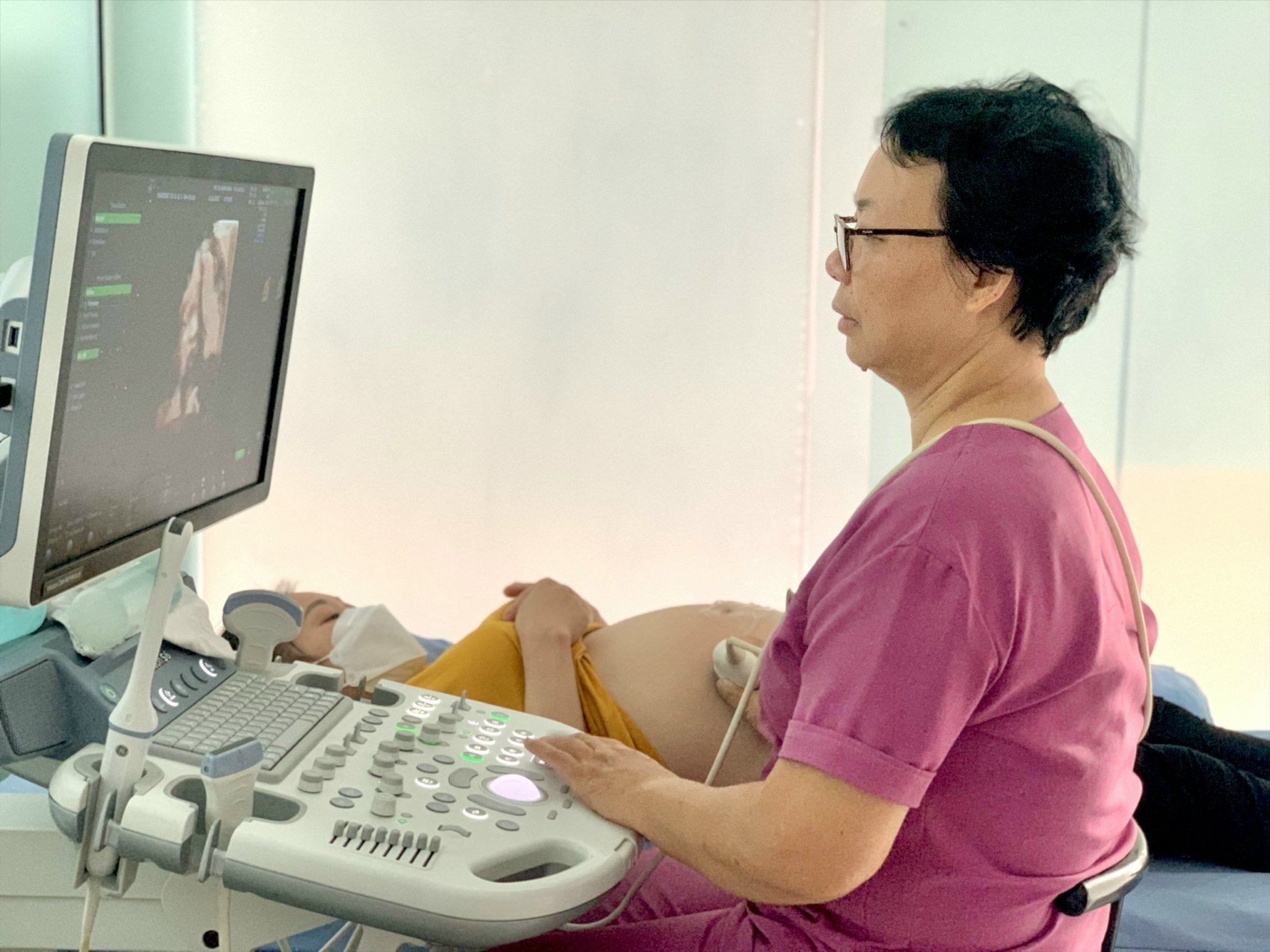
- Transvaginal ultrasound: Detecting hydrosalpinx, pelvic abscess, and free fluid.
- Urine tests: Ruling out urinary tract infection and pregnancy.
PID Treatment
Antibiotic treatment
The treatment principle is using broad-spectrum antibiotics covering both aerobic and anaerobic bacteria, typically combining 2-3 antibiotics for 14 days. Sexual partners must also be treated simultaneously.
Outpatient treatment
Applied for mild to moderate PID when patients can adhere to treatment. Re-evaluation at 48-72 hours to assess response.
Hospital admission
Indicated for: high fever, failure to respond to oral antibiotics, suspected abscess, pregnancy, or when surgical emergency must be ruled out.
Surgery
Intervention when abscess does not respond to antibiotics, ruptured abscess, or generalized peritonitis.
PID Prevention
- Use condoms during all sexual encounters
- Regular STI screening annually, especially for Chlamydia and gonorrhea
- Don’t douche — wash only externally with clean water
- Thoroughly treat lower genital tract infections
- Limit sexual partners and choose partners who practice sexual health awareness
- Regular gynecological check-ups every 6 months
PID and Reproductive Health
The impact of PID on reproductive health is severe and must be fully appreciated:
How PID causes infertility
The inflammatory process within the fallopian tubes triggers a strong reaction, leading to:
- Destruction of tubal fimbriae: The fimbriae normally “catch” the egg after ovulation and guide it into the tube. When destroyed, eggs cannot enter the fallopian tube
- Tubal blockage: Scar tissue forming after inflammation causes partial or complete blockage, preventing eggs from meeting sperm
- Hydrosalpinx: Fluid-filled tubes that not only cause blockage but whose inflammatory fluid can flow back into the uterine cavity, affecting embryo implantation
- Pelvic adhesions: Organs in the pelvis adhere to each other, altering normal anatomy and affecting the function of tubes and ovaries
Risk by number of episodes
Each episode of PID significantly increases the risk of infertility:
| Number of PID Episodes | Infertility Risk |
|---|---|
| 1 episode | 8-15% |
| 2 episodes | 20-35% |
| 3 or more | > 50% |
These figures highlight the importance of correct, complete treatment from the first episode and preventing recurrence.
Recovery after PID
After PID treatment, women who wish to have children should:
- Wait at least 3 months after completing treatment before trying to conceive
- Get an HSG (hysterosalpingography) to assess whether the fallopian tubes are patent
- If both tubes are blocked, seek counseling about IVF
- Close monitoring during pregnancy due to elevated ectopic pregnancy risk
When to See a Doctor
You should seek medical attention immediately if you experience:
- Lower abdominal pain lasting more than 3 days, especially with fever
- Fever 38°C or higher with abdominal pain or abnormal discharge
- Foul-smelling discharge, yellow-green, abnormally heavy
- Pain during intercourse (deep pain)
- Abnormal bleeding between periods or after intercourse
- Painful, frequent urination with lower abdominal pain
- Nausea, vomiting with lower abdominal pain and fever — may indicate pelvic abscess, requiring emergency care
Particularly note: if you have recently had an IUD inserted and develop these symptoms within the first 3 weeks, seek care immediately.
Related Articles
- Sexually Transmitted Diseases — Chlamydia and gonorrhea are the main causes of PID
- Proper Intimate Hygiene — Preventing gynecological infections
- Abnormal Vaginal Discharge — Warning signs of genital tract infection
- Gynecological Treatment Services — PID treatment at Phòng Khám Bác Sỹ Lâm
Doctor’s Advice
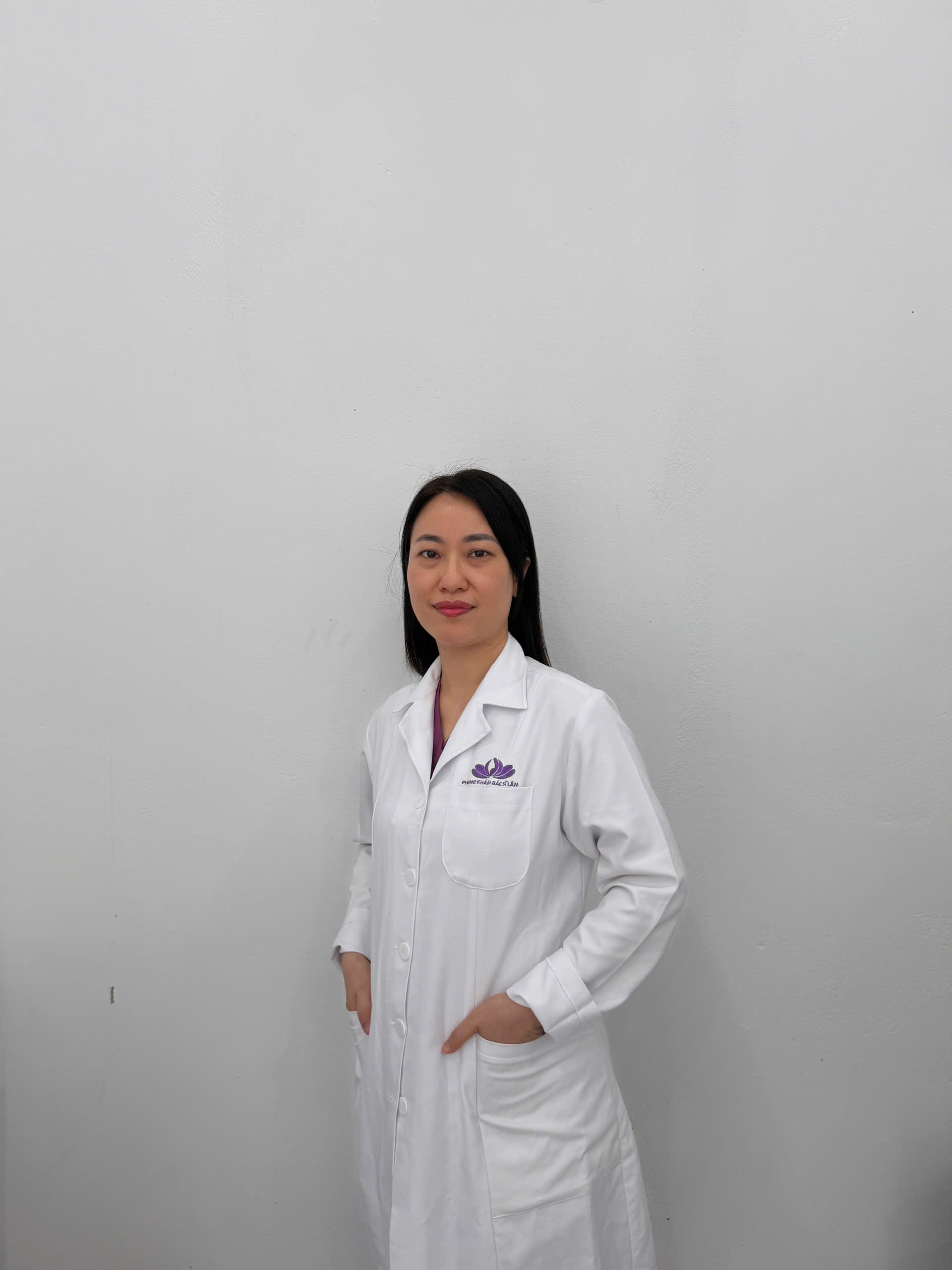
PID is a gynecological condition that requires early detection and treatment to protect reproductive health. BSCKI. Trần Thị Thúy Lâm, with over 30 years of experience, formerly working at the National Cancer Hospital (Viện K Trung Ương), Hanoi Medical University Hospital, Hanoi Andrology Hospital, and Medlatec Hospital, is always ready to counsel and support women in Lào Cai.
“I want to remind all women: silent PID is truly the most frightening form. Many people have no symptoms at all, yet their fallopian tubes have already been seriously damaged. Please get tested for Chlamydia and gonorrhea regularly, especially when you have a new partner. Prevention is better than cure — and one simple test can protect your ability to become a mother.”
Book a Gynecological Appointment
If you suspect PID or need a gynecological exam, contact us now.
Phòng Khám Sản Phụ Khoa Bác Sỹ Lâm
- Address: 125 Hàm Nghi, Kim Tân, Lào Cai
- Phone: 0986 321 000
- Hours: Monday – Saturday
Book now: 0986 321 000 — 125 Hàm Nghi, Kim Tân, Lào Cai